Abdi Media's exclusive guests


Israel's Hybrid War with Iran: From Mehdi Nassiri and Reza Pahlavi to the Way Out, featuring Hojjat-ol-Islam val-Moslemeen Mohammad-Taqi Akbarnejad, Lecturer at the Qom Seminary
Has the war ended? Or have we just entered its main phase? When the enemy no longer approaches from the border but strikes from other directions, how, who, and where does it collapse? Amidst fire and diplomacy, in a land that still smells of gunpowder, a fundamental question lies before us: How can one stand without being destroyed? How can one fight without being a warmonger?
Read more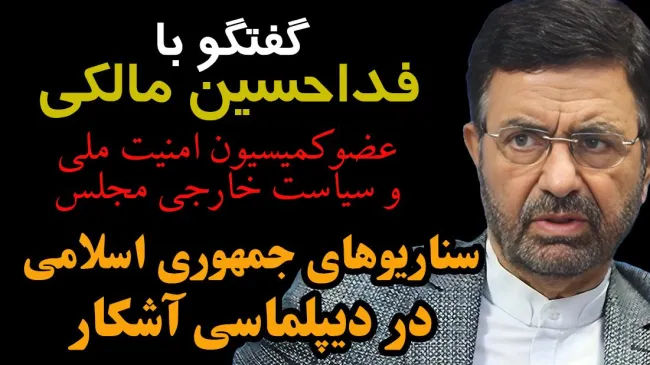
Scenarios of the Islamic Republic in Open Diplomacy with America: A Conversation with Fadahossein Maleki, Member of the Parliament's National Security and Foreign Policy Commission.
In the geometry of global power, dialogue is sometimes a tool of peace and sometimes a mask for war. The Islamic Republic, from its very first days, has defined itself in opposition to what it calls imperialism and the hegemony system—namely, the United States. But throughout all these years, behind closed doors, the power of diplomacy has always been flowing: sometimes loudly, sometimes with sealed lips. Now, on the eve of major regional and global transformations, amid economic deadlocks and increasing social pressures, and while the world is experiencing a complex America led by Trump, it is watching this period's negotiations with Iran. The fundamental question is: what scenario does the Islamic Republic have in mind for confronting the United States under Trump's leadership? Has open diplomacy replaced covert policy?
Read more
See | The Inevitable Future of the Islamic Republic; From Protesters to Power Transfer; A Conversation with Faezeh Hashemi
Is it possible to escape the future? This is a very important question: is there any escape from the future or not? History is neither sleep nor fantasy; it is a stubborn reality that sometimes shows its face in the mirror of popular protests, sometimes in negotiations behind closed doors, and sometimes in the shadow of the comings and goings of leaders and their successors. The Islamic Republic, after nearly half a century, now seems to me to be standing in a purgatory between continuity and transition.
Read more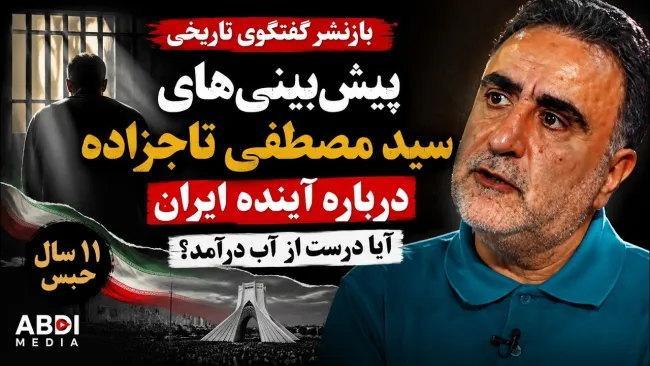
See | What future had Seyyed Mostafa Tajzadeh predicted for Iran? Reposted on the occasion of the 11th anniversary of his imprisonment.
Here it is from the YouTube channel of Abdi Media
Read more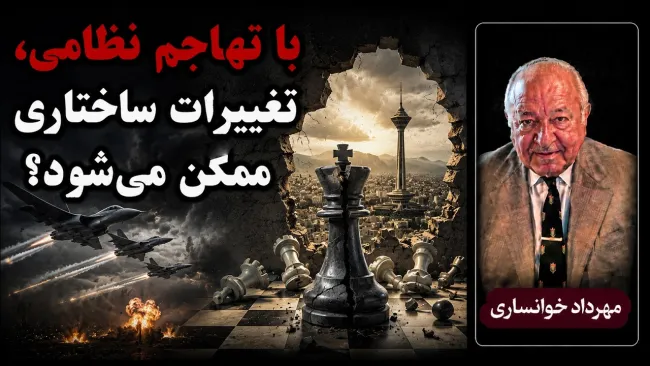
Mehrdad Khansari: Mr. Pahlavi is not on the verge of occupying Iran or establishing a monarchy.
Such actions take time, and we must maintain our credibility.
Read more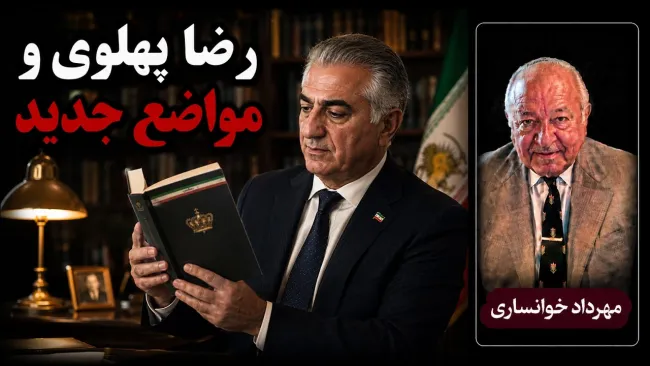
Mehrdad Khansari: Personally, I cannot support the positions that have been announced by him.
As a fighter Iranian, I do not want him to get involved in issues that are beyond control or that contradict the position of a constitutional monarch.
Read more
Mehrdad Khansari: The program that Reza Pahlavi announced today for the transitional period is inconsistent with his previous principles.
During the years when I was alongside Reza Pahlavi, he was a democratic individual and did not fight for the restoration of the "monarchy".
Read more
Mehrdad Khansari: In the current situation, I do not see any alternative as practical in the short term.
The Islamic Republic is not on the verge of collapse.
Read more
Mehrdad Khansari: The issue for which an agreement must be reached is the replacement of the sovereignty of Velayat (Guardianship of the Jurist) with the sovereignty of the people.
The sidelining of Ayatollah Khamenei has "discredited" (made ambiguous or tainted) the concept of Velayat (Guardianship of the Jurist).
Read more
Mehrdad Khansari: Those who came with Khomeini and seized power diminished over time, and only 15-20 percent of them remain.
All the levers of power are in the hands of this 15-20 percent, and they run the country.
Read more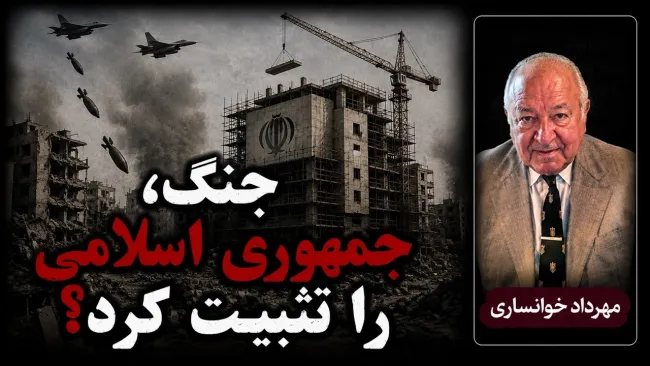
Mehrdad Khansari: In a situation that is neither war nor peace, the Islamic Republic is not more unstable.
Neither the Islamic Republic nor the US government wants to return to the battlefield.
Read more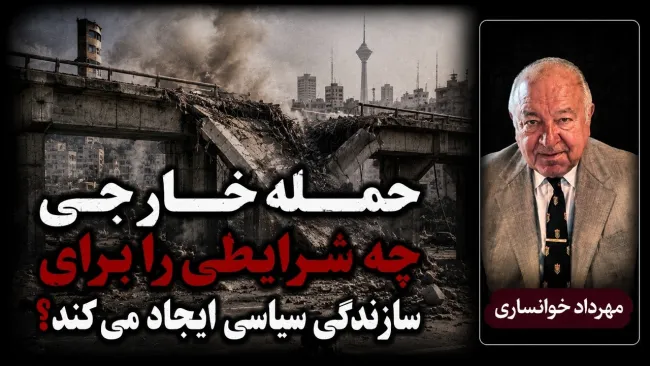
Mehrdad Khansari: A foreign attack harms the work of constructive political forces and creates conditions where many people, for national reasons, stand behind the system.
The attack on Iran was against international law.
Read more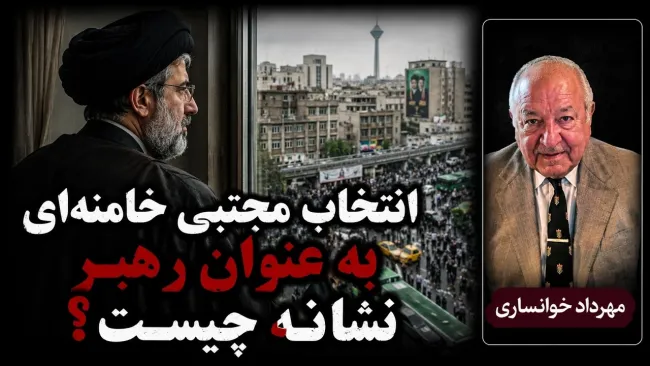
The selection of Mojtaba Khamenei as the leader of the Islamic Republic: what does it signify? An exclusive conversation with Mehrdad Khansari.
Mehrdad Khansari: The removal (or sidelining) of Ayatollah Khamenei has created a situation in which, if our nation is vigilant...
Read more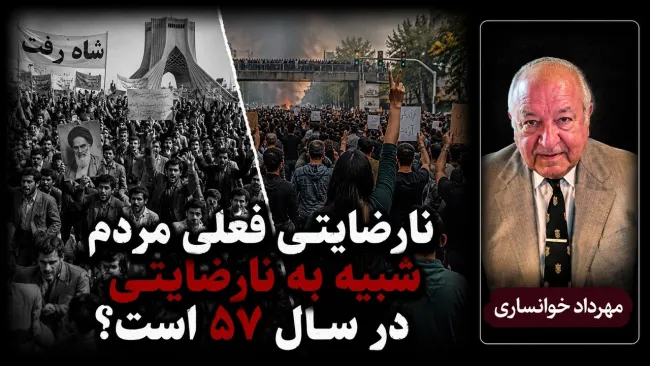
Is the current dissatisfaction of the people similar to the dissatisfaction of the people in 1979?
Mehrdad Khansari: The nature of the current dissatisfaction of the people is different from the past.
Read more
Mehrdad Khansari: The cause of the Shah's downfall was the dissatisfaction of the people.
The people wanted more political freedom, which was not available at that time.
Read more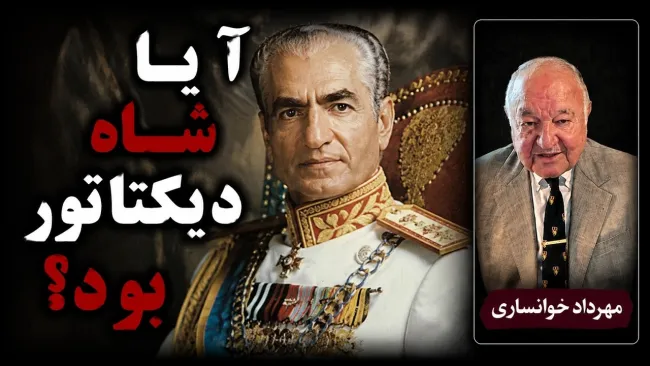
Mehrdad Khansari: The Shah was a dictator politically, but he was not a brutal dictator.
The Shah intervened in two areas: matters related to foreign policy and military matters and the defense of the country.
Read more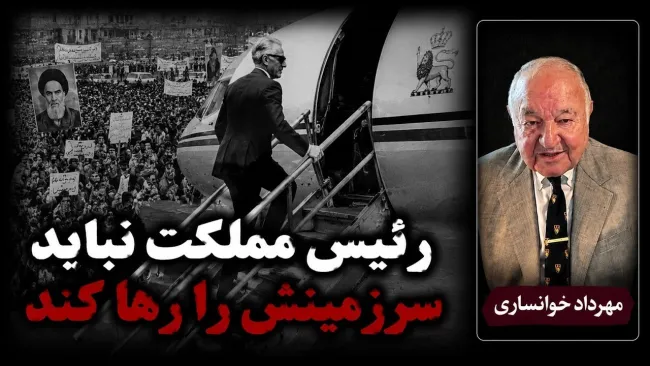
Mehrdad Khansari: One of the differences between the rule of the Shah and the current rule is that the head of the country should not abandon his land.
During the time of the Shah, dissatisfaction could be curbed by providing financial facilities to the people.
Read more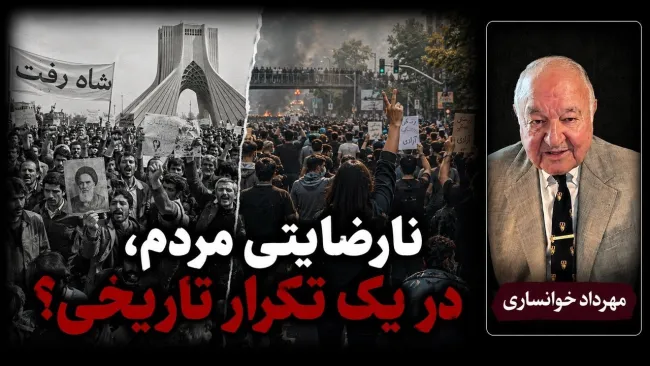
Is public dissatisfaction with the government a "historical repetition"? Exclusive interview with Mehrdad Khansari
Mehrdad Khansari: Our country, at the time when Mohammad Reza Shah came to the throne, was a poor country.
Read more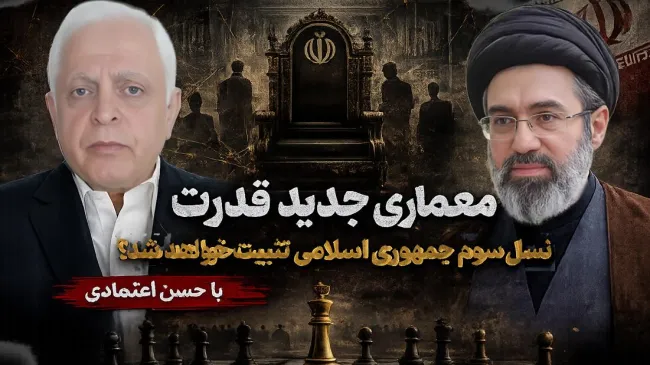
Mojtaba Khamenei and the New Architecture of Power; Will the Third Generation of the Islamic Republic Be Consolidated? A Conversation with Hassan Etemadi, Political Analyst.
It is very clear that the Islamic Republic is at one of the most sensitive historical junctures. Therefore, we are going to discuss an issue that is important for the future of Iran, and the topic of our conversation is the structure of power in Iran. We know that after the attacks that took place in recent months, and after the killing of Ayatollah Khamenei and the transfer of leadership in a very strange and extraordinary process to his son, Mojtaba Khamenei, many now believe that the Islamic Republic has entered its third generation. Although to this day, we have not seen any live voice, image, photo, or even a live signature from the new leader. Has Iran entered the era of a military-security government? And can the new architecture of power stabilize the Islamic Republic system and the nascent system of Mojtaba Khamenei, or will new crises arise?
Read more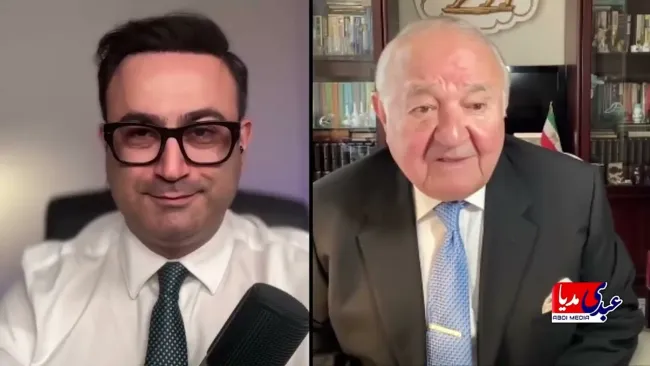
What is the biggest weakness of the Islamic Republic? Exclusive interview with Mehrdad Khansari
Mehrdad Khansari: The biggest weakness of the Islamic Republic is the lack of development and the creation of public dissatisfaction.
Read more
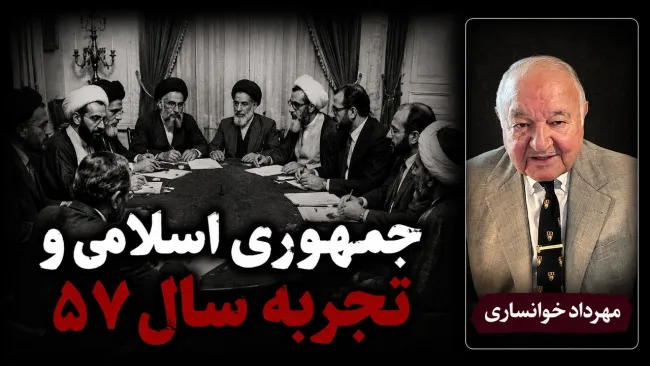
The Islamic Republic has made extensive use of the experiences of "1957".
The skill he had in construction, he did not have in "crisis management".
Read more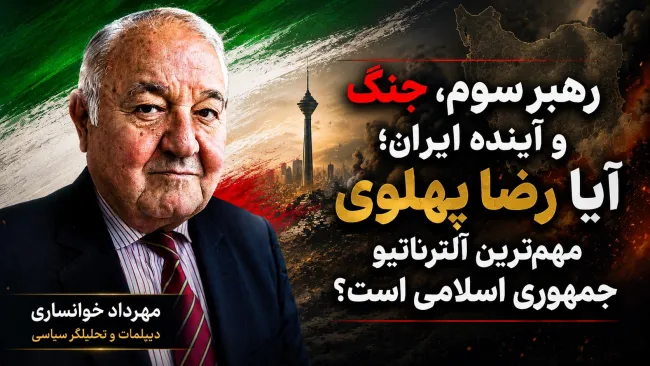
Watch | The Third Leader, War, and the Future of Iran; Is Reza Pahlavi the most important alternative to the Islamic Republic? In a conversation with Mehrdad Khansari, former diplomat and political analyst.
History is a testing ground for power, and in this testing ground, nations have repeatedly faced similar questions: when a political system enters a phase of erosion, or when for many it becomes conditional and reform is no longer enough, and for many the question arises as to when the survival of a government becomes its greatest issue, and more importantly, for many the question arises as to when the future separates from the past. Today, Iran is in one of the most sensitive periods of its contemporary history: the American and Israeli attack and the war that has changed the equations of the region, the killing of the second leader of the Islamic Republic, the emergence of the third leader of the Islamic Republic, changes in the balance of power within the establishment, the increasing role of security and military institutions, the intensification of political rifts, the current negotiations with the United States, and simultaneously, the return of the discussion of alternatives to the center of attention, and the return to a question that has loomed over Iranian politics for decades: Will the Islamic Republic pass through this historical turning point? If not, how will Iran's future be shaped?
Read more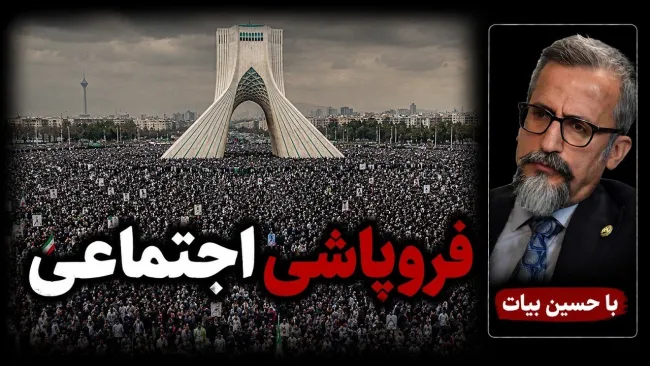
Hossein Bayat: In such an emergency situation, there is no authorization for the government to become "self-satisfied" or "pleased with itself."
If the government continues its practice of raids, imprisonments, and house arrests, what we were worried about happening through a foreign attack will instead occur through "social collapse."
Read more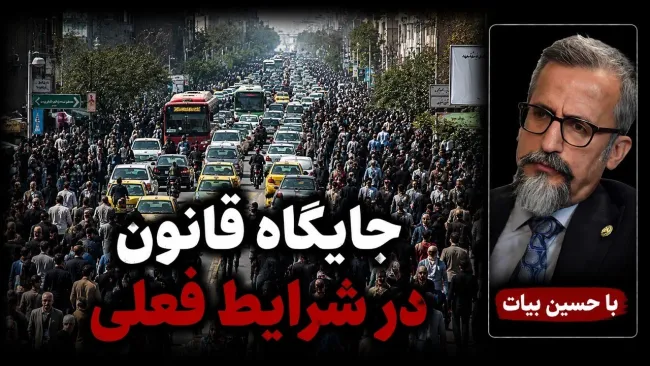
Hossein Bayat: Fundamental rights have always come into conflict with the ideological foundations of the Islamic Republic.
We are in an emergency situation in which the law is not observed.
Read more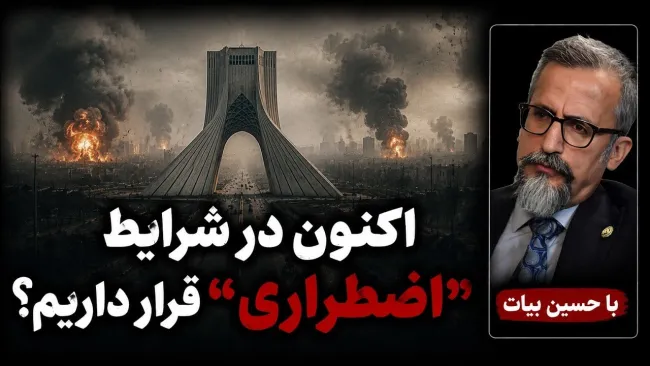
Is the Islamic Republic in an "emergency" condition? Hossein Bayat responds.
Hossein Bayat: When the leader of the Islamic Republic is assassinated in the first second of the war, it means we are naturally in an emergency situation.
Read more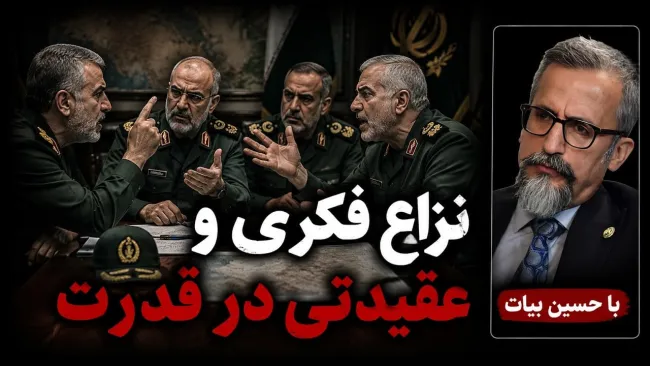
Hossein Bayat: Given the conditions in which the Islamic Republic finds itself, it cannot and does not want to be a defender of "fundamental rights."
The theoretical foundations of the Islamic Republic are fraught with conflict and contradiction.
Read more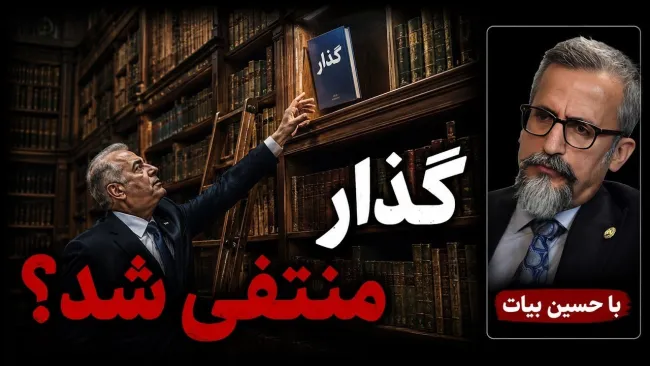
Hossein Bayat: The discussion of "transition" is currently ruled out.
If there is to be a discussion of "transition," then the issue of "war" — which has already been defeated — must be raised again.
Read more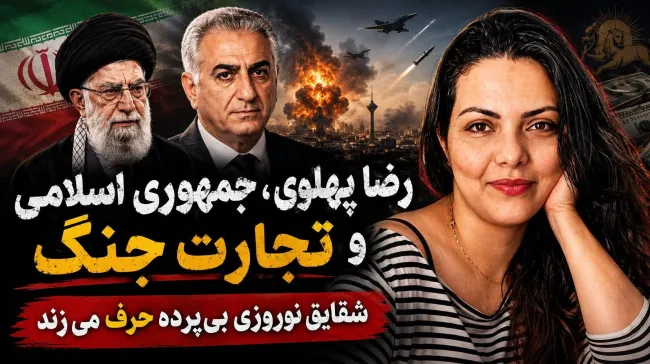
Reza Pahlavi, the Islamic Republic, and the War Trade — Shaghayegh Norouzi speaks frankly.
I want to speak on Abdi Media about one of the most complex and tense arenas of Iranian politics — a space between war and freedom, between the opposition and power, and between truth and the politics of commerce; about a society that has for years been suspended between anger, fear, hope, revenge, freedom, and collapse, and now stands at a point where it is simultaneously afraid of war, afraid of the continuation of the status quo, and afraid of a future of which it still has no clear image. In years when Iran is simultaneously entangled in internal crisis, external pressure, the threat of war, and the collapse of public trust, great questions remain — questions whose answers many might find important to know: Who truly speaks for Iran?
Read more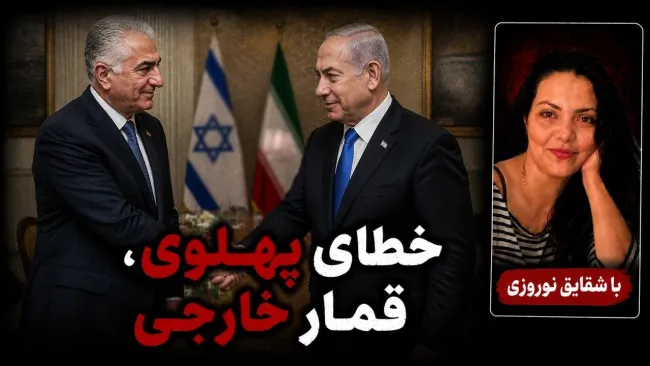
Shaghayegh Norouzi addressing Reza Pahlavi: You never understood what happened to your father and grandfather.
If you had understood, you wouldn't have relied one bit on foreign interference!
Read more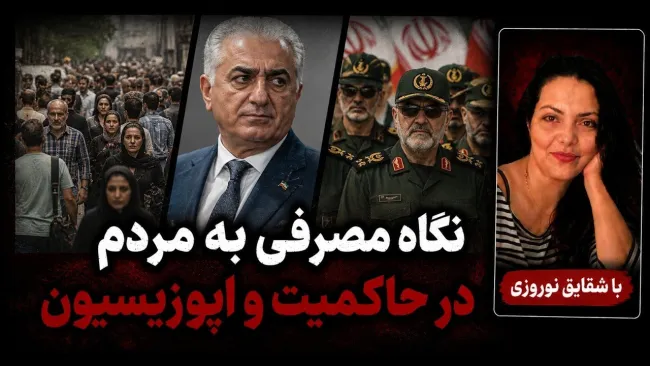
Shaghayegh Norouzi: The instrumental view of popular forces in both the current establishment and the opposition is similar to each other.
The binary of "people vs. government" is wrong and has led to war.
Read more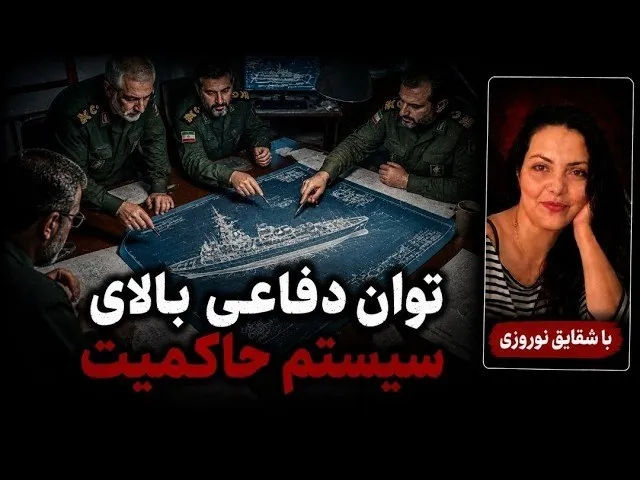
Shaghayegh Norouzi: I didn't think the current system's capability to fight in the war would be this much.
It cannot be said that those who are involved in the country's defense mechanism are necessarily the same people who suppressed the people in January
Read more
Watch | The Third Leader, War, and the Future of Iran; Is Reza Pahlavi the most important alternative to the Islamic Republic? In a conversation with Mehrdad Khansari, former diplomat and political analyst.
Watch on the Abdi Media YouTube channel.
Read more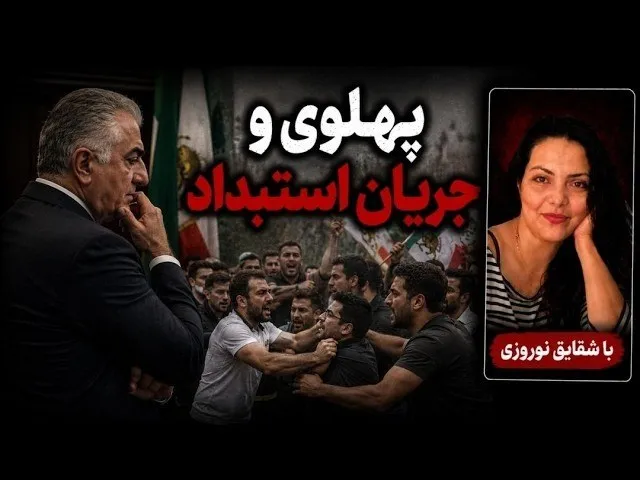
Shaghayegh Norouzi: Right now, an authoritarian current has been created outside the borders of Iran.
Outside the country, the level of violence has risen so high that anyone who speaks "anti-war" cannot feel safe.
Read more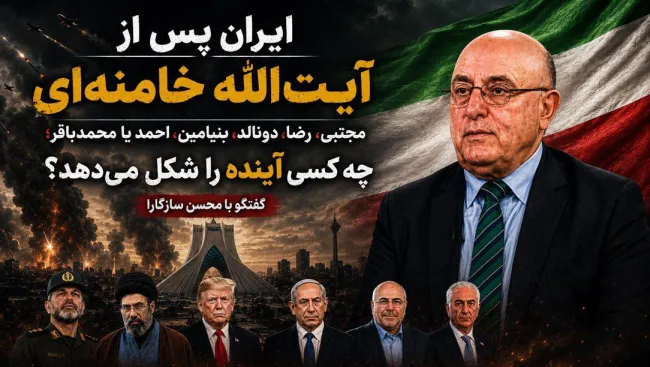
Iran After Ayatollah Khamenei | Mojtaba, Reza, Donald, Benjamin, Ahmad, or Mohammad Bagher: Who Will Shape the Future? A Conversation with Mohsen Sazegara, Political Analyst
Shaghayegh Norouzi: A Significant Portion of the Iranian People Are Desperately Seeking a Way Out of the Current Situation
Under these circumstances, someone like Reza Pahlavi can become "sacralized."
Read more
Shaqayegh Norouzi: I Do Not View Reza Pahlavi's Movement as a Revolution
They Lack the Authenticity, Foundations, and Ideals of a Genuine Revolution
Read more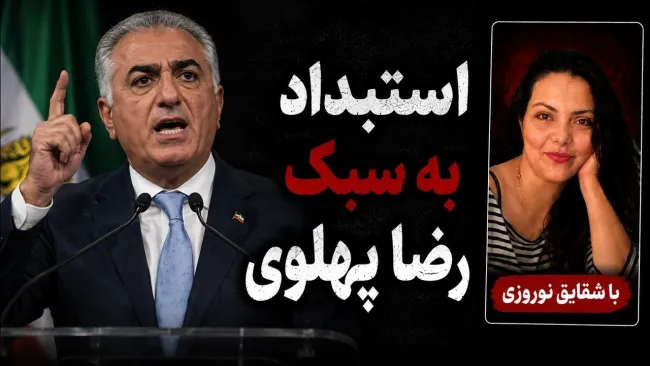
Shaqayegh Norouzi: Pahlavi Is Neither Aligned with His Father's Model of Governance Nor with the Ideals for Which the People Have Struggled
The Pahlavi model of governance is based on a paternalistic and patriarchal style of rule.
Read more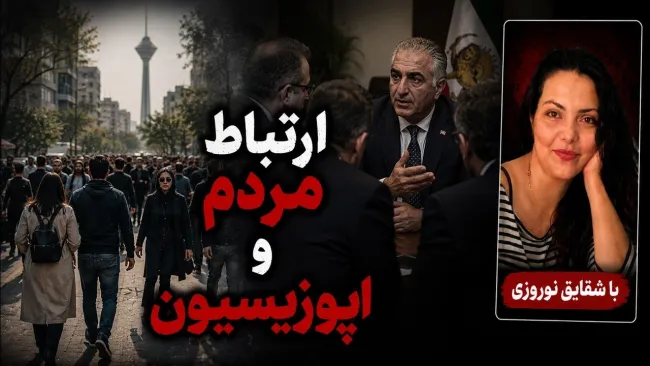
Shagaig Nowrozi: The opposition abroad has not protected a decent culture for Iran
Free speech lives in safety
Read more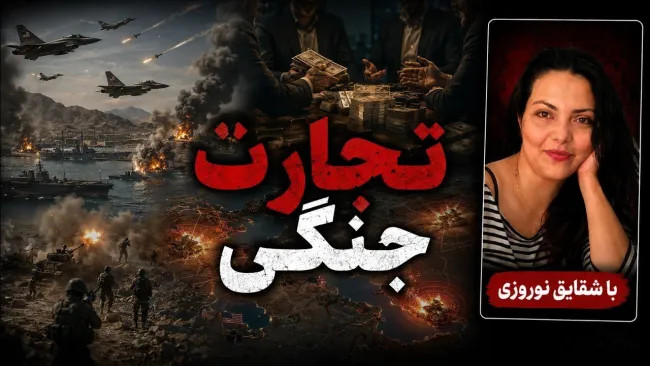
Shaghayegh Norouzi: The media carried out the war operation exceptionally well.
This entire affair of war is a "business."
Read more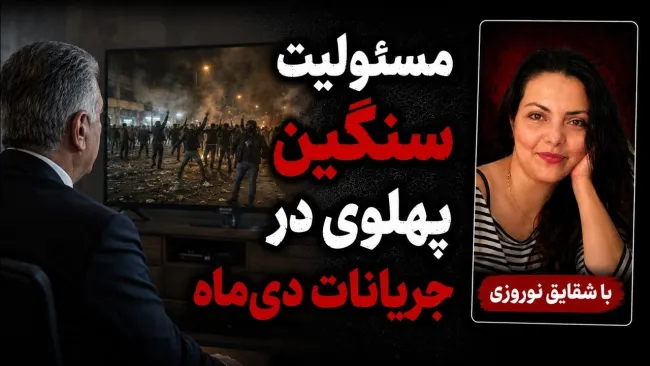
Shaghayegh Norouzi: Pahlavi bears significant responsibility for the events of the month of Dey because he knows the regime wrongfully fires upon protesters.
In no movement have we had such facilitation for the issue of mass killing.
Read more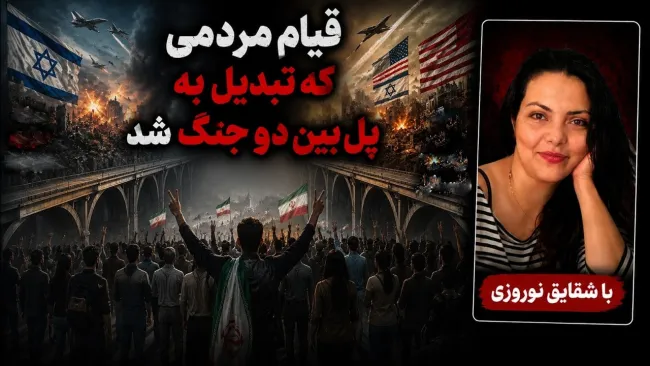
Shaghayegh Norouzi: A Popular Uprising Turned Into a Bridge Between Two Wars
This creature and her entire campaign view the existence of the Iranian human through a consumerist lens.
Read more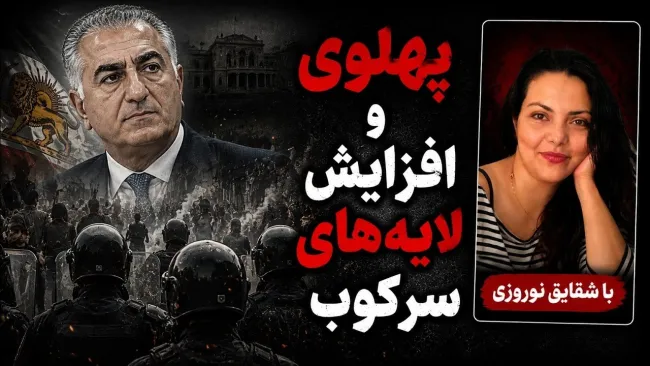
Shaghayegh Norouzi: December was one of the most tragic events in Iran’s contemporary history.
In December, an additional layer was added to the government's repression, and that was due to the role played by Pahlavi.
Read more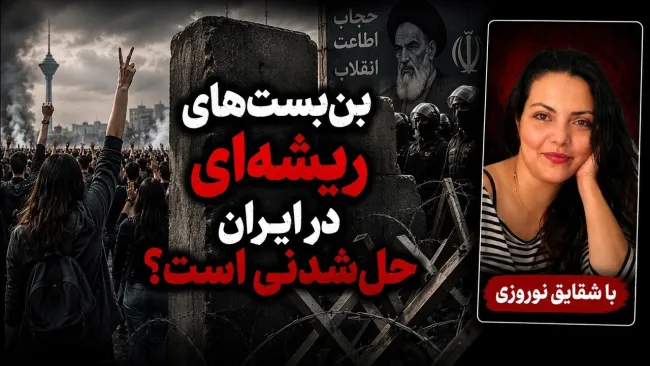
Shaghayegh Norouzi: Repression inside the country has led some people to accept war as a path for change.
The "dead ends" were translated into "insoluble" issues for the people
Read more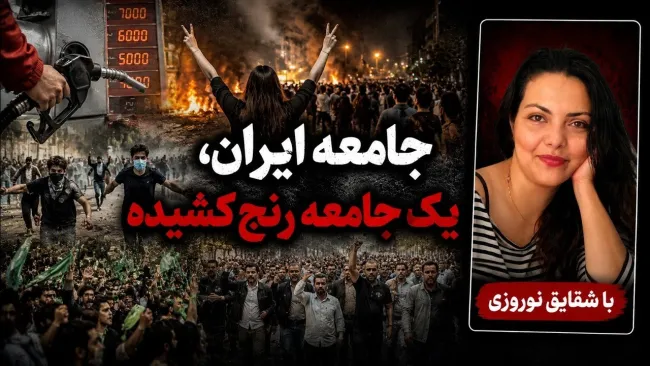
Shaghayegh Norouzi: People who have experienced “discrimination” are more prone to being “protesters.”
We need people who can stand against the waves.
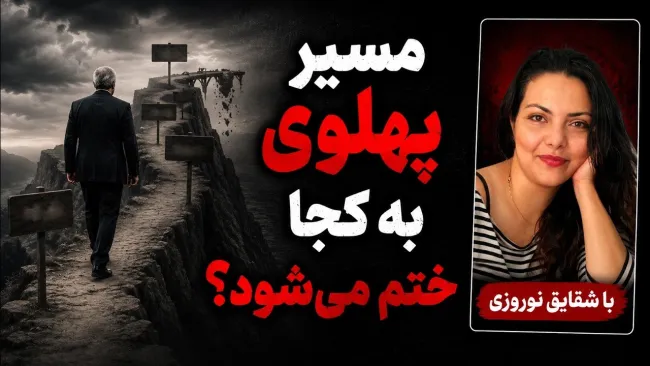
Shaghayegh Norouzi: The theory that we should ignore all our standards simply because we oppose a political system is incorrect.
The path ahead does not lead to liberation.
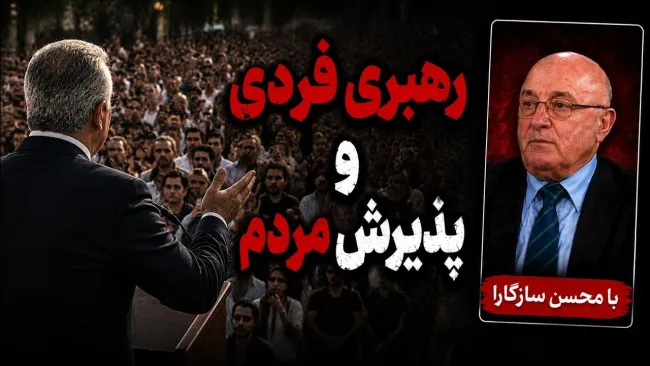
Mohsen Sazegara: Leadership by a single individual in our society is neither feasible nor desirable.
Individual leadership is not desirable because such an event occurred in the Islamic Revolution.
Read more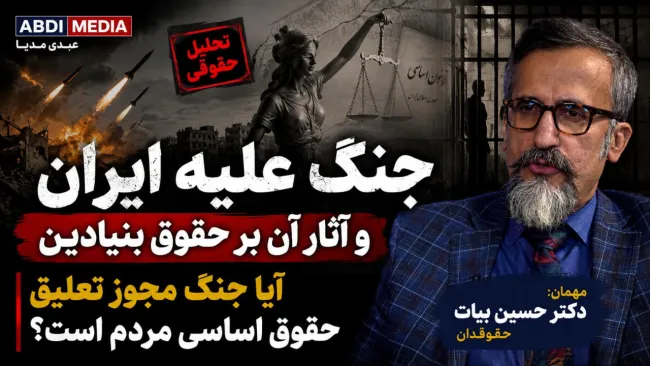
Watch | War against Iran and its effects on fundamental rights; does war justify the suspension of citizens’ constitutional rights? A conversation with Dr. Hossein Bayat.
From the YouTube channel of Abdi Media
Read more
Mohsen Sazegara: The performance of the leader of the 1979 Revolution and Reza Pahlavi cannot be compared with one another.
The strength of revolutions is proportional to the strength of their leaders.
Read more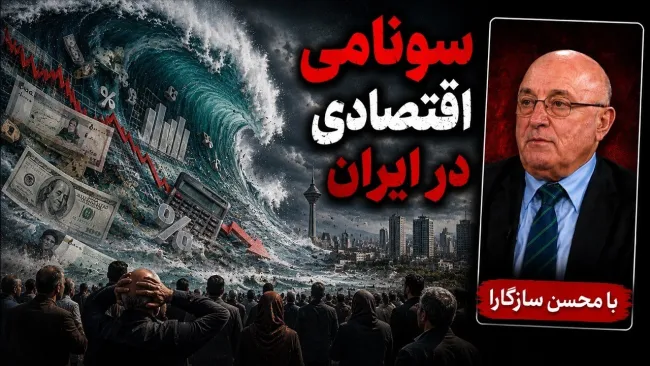
Mohsen Sazegara: A war involving someone as unpredictable as Trump will lead nowhere.
The waves of such a war are still on their way, and they will give rise to an “economic tsunami” in Iran.
Read more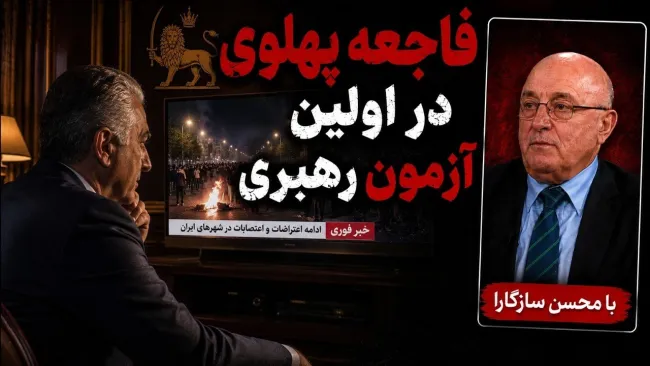
Mohsen Sazegara: Reza Pahlavi created a disaster in his first test of leadership.
Reza Pahlavi turned his back on the “New Covenant” that he had previously presented.
Read more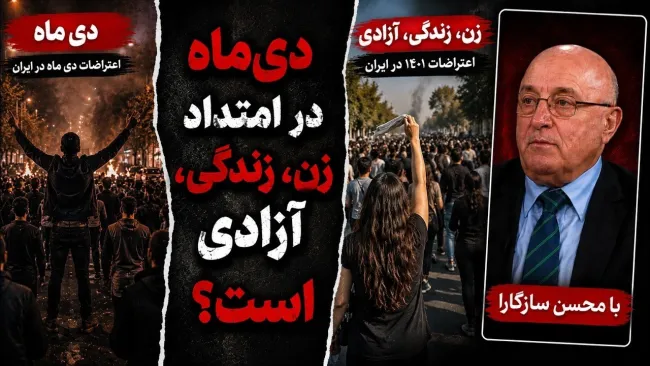
Mohsen Sazegara: December is not in continuation of “Woman, Life, Freedom.”
Given the course of events in the country, it is natural that this government has no choice but to leave.
Tonight | War against Iran and its effects on fundamental rights; does war justify the suspension of citizens’ constitutional rights? In conversation with Dr. Hossein Bayat.
Saturday at 22:00 Iran time.
Read more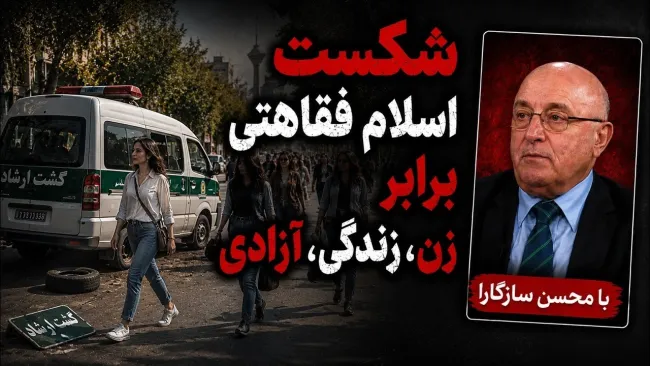
Mohsen Sazegara: The ideology of “jurisprudential Islam,” which is the structure of the government, has been defeated by the theory of “Woman, Life, Freedom.”
The Green Movement is the first movement in which people took to the streets for their civil rights without being called by the clergy.
Read more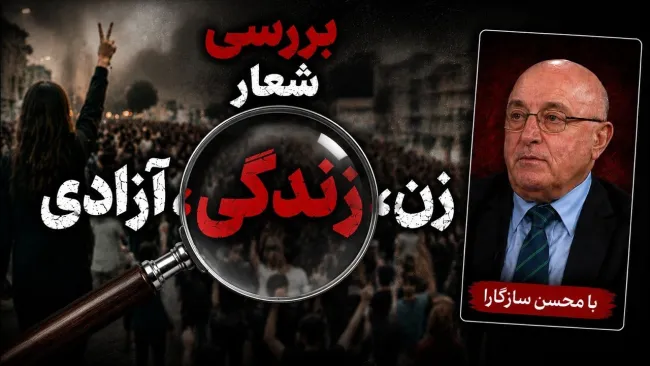
The slogan “Woman, Life, Freedom” from the perspective of Mohsen Sazegara.
Mohsen Sazegara: The slogan “Woman, Life, Freedom” was a gift from our Kurdish compatriots, and this slogan is not accidental.
Read more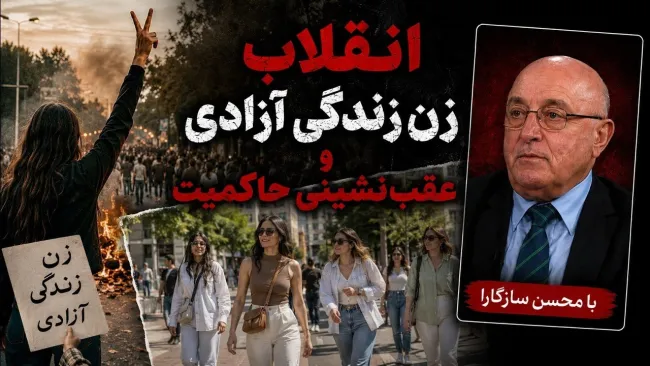
Mohsen Sazegara: The conditions in our society are revolutionary.
This revolution remained unfinished, but it achieved one of its demands, which is the issue of compulsory dress code and women’s rights.
Read more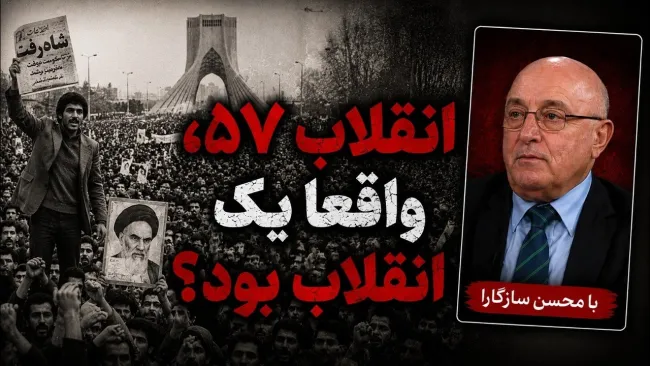
Was the 1979 Revolution really a revolution? An exclusive interview with Mohsen Sazegara.
Mohsen Sazegara: Any process in which various segments of society, not just a single class, collectively enter the political arena and demand a change of government is a revolutionary process.
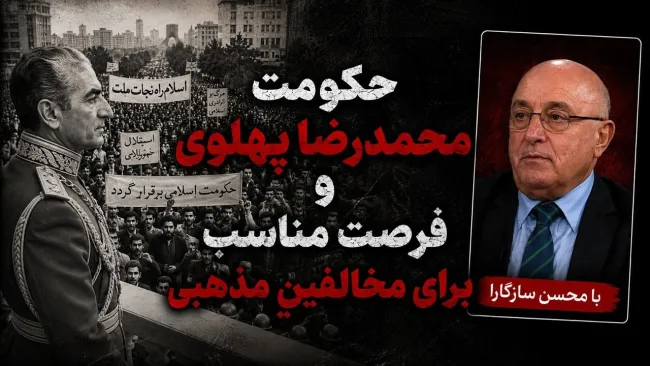
Mohsen Sazegara: Mohammad Reza Shah feared a religious uprising by clerics and therefore allowed them considerable freedom.
He created a suitable opportunity for religious opponents who were also ideologically equipped.
Reza Pahlavi, the Islamic Republic, and the business of war — Shaqayegh Norouzi speaks candidly.
From the Abdi Media YouTube channel.
Read more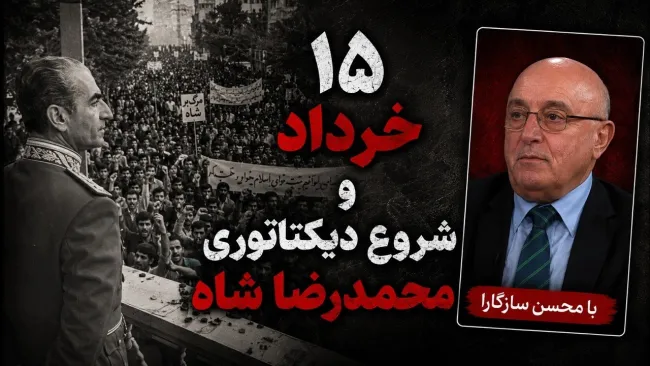
Mohsen Sazegara: Mohammad Reza Pahlavi became a military dictator from June 5 and was no longer that constitutional king
Mohammad Reza Pahlavi dissolved all the parties.
Read more
Tonight | Reza Pahlavi, the Islamic Republic, and the War Trade: Shaghayegh Norouzi Speaks Frankly
Thursday at 20:30 Iran time on Abdi Media YouTube Channel
Read more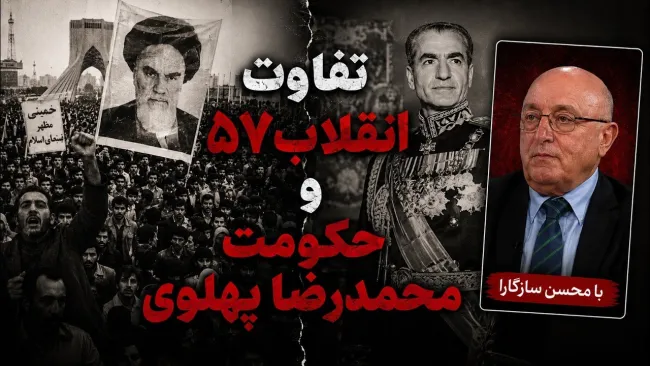
What was the difference between the 1979 Revolution model and Mohammad Reza Pahlavi’s government?
Mohsen Sazegara: There were two main disputes with the Shah; they said he was an American puppet and that he did not implement Islamic jurisprudential rulings.
Read more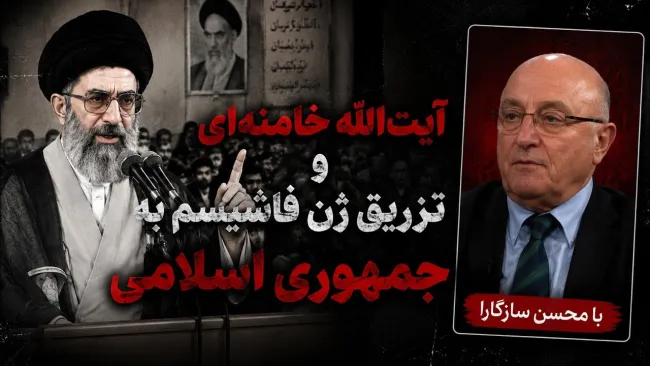
Mohsen Sazegara: Mr. Khomeini proposed a system in which a person called the “Supreme Jurist (Velayat-e Faqih)” has “god-like powers.”
I came to the conclusion that the problems of the Islamic Republic lie in clerical Islam (jurisprudential Islam).
Read more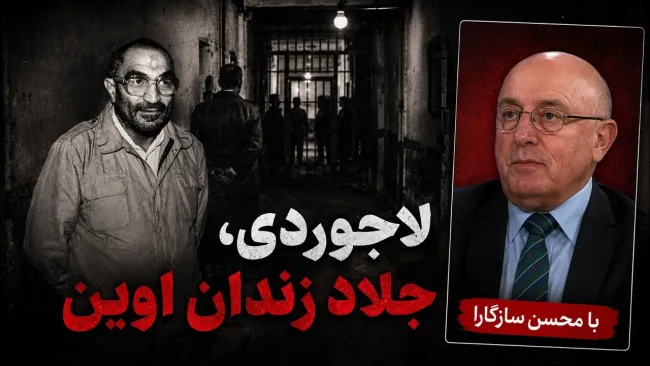
Mohsen Sazegara: The problems of the Islamic Republic system are inherent to its nature, and this theory is manifested in the constitution.
During my time in Evin Prison, I became aware of the rumors about Lajevardi being a “butcher.”
Read more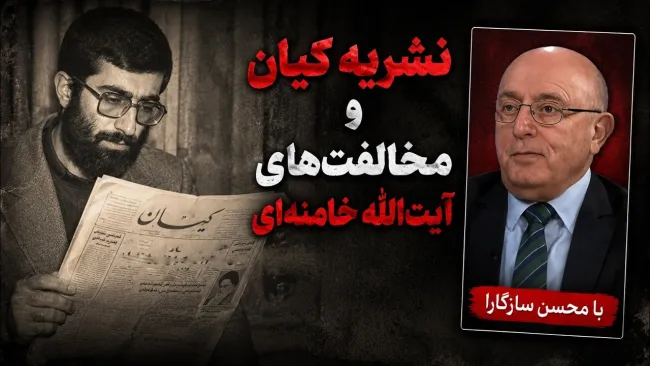
Mohsen Sazegara: The journal Kiyan was one of the most successful intellectual projects in the country and addressed the problem of religion and rationality.
Mr. Khamenei used to say that the magazine *Kiyan* was a “dinosaur egg” and that a monster would emerge from it.
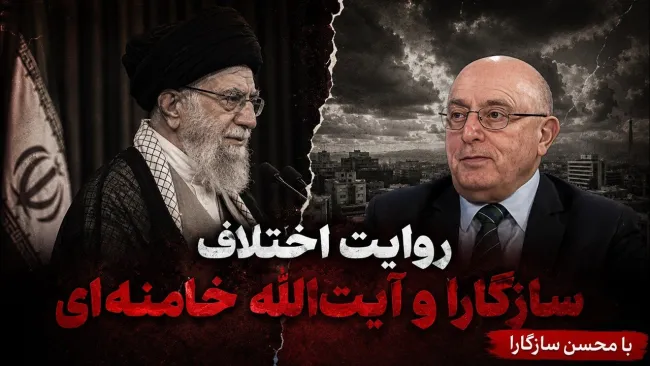
Where did the disagreements between Sazegara and Ayatollah Khamenei begin?
Mohsen Sazegara: I was working as an advisor at the Iran Data Processing Company; Mr. Khamenei issued an order from above that “so-and-so should no longer be there!”
Read more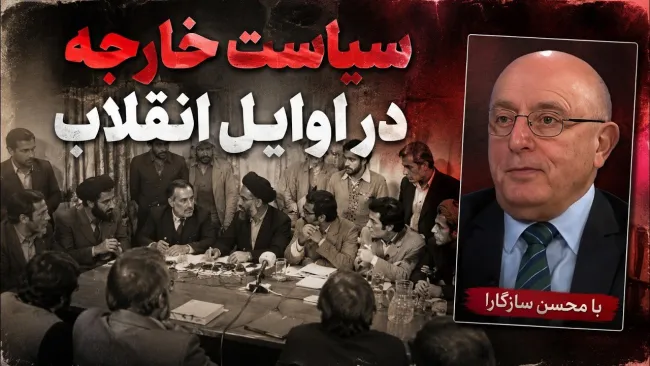
Mohsen Sazegara: I told Hashemi Rafsanjani that you no longer have any excuse for the people, and that you must provide peace and comfort.
The confrontation with the United States and Israel was the axis of the Islamic Republic’s foreign policy.
Read more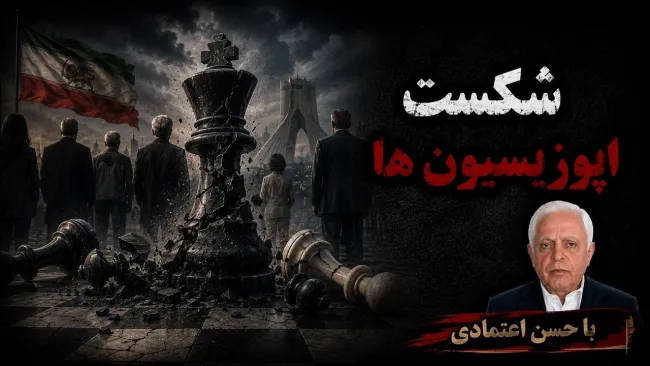
Hassan Etemadi: A large percentage of monarchists will become disillusioned, and the public will not trust them either.
The national, freedom-seeking, and pro-democracy opposition must have a national media outlet; otherwise, they will fall behind.
Read more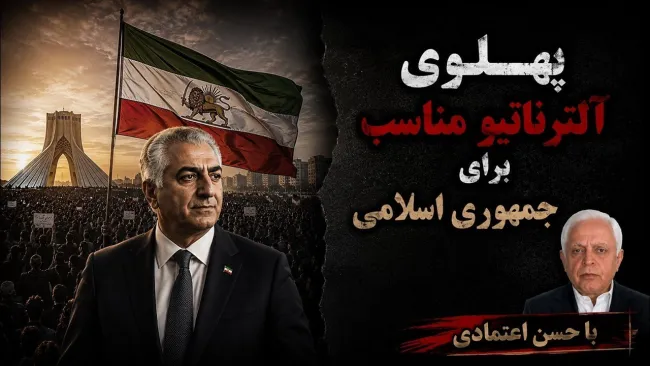
Hassan Etemadi: The Islamic Republic is trying to ensure that Reza Pahlavi remains the only opposition figure on the political stage.
During the events of December (the “Dey protests”), Reza Pahlavi played a significant role in helping the Islamic Republic deal with its opponents.
Read more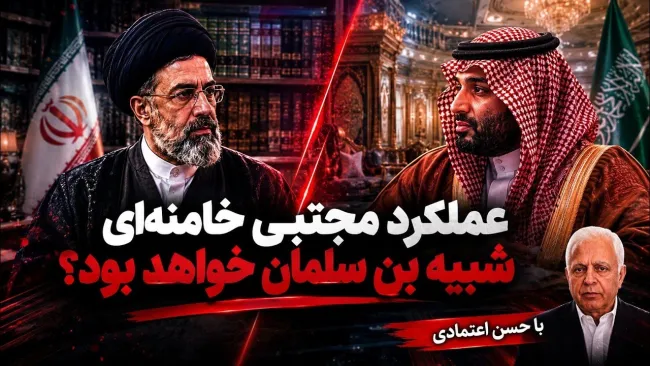
Hassan Etemadi: Mojtaba Khamenei may act in a manner similar to Mohammed bin Salman.
If the Islamic Republic wants to survive, only the word “Islamic” should remain in its name.
Read more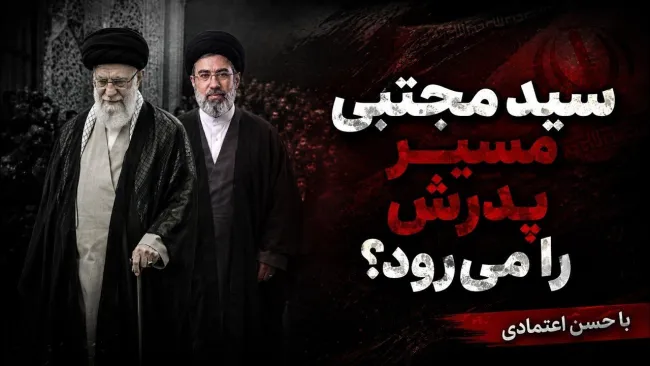
Hassan Etemadi: If Mojtaba Khamenei Does Not Follow His Father’s Path, He Will Not Be Able to Survive.
Mr. Mojtaba's situation must also be clarified. It needs to be addressed. People cannot live with an unseen leader.
Read more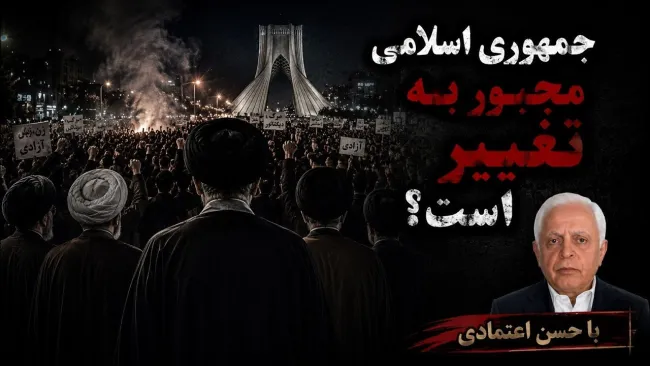
Hassan Etemadi: If the Clerics and the IRGC Do Not Change Their Colors, They Will Not Survive.
Religious governments always justify their political changes.
Read more
Hassan Etemadi: If a War Had Not Occurred, It Was Unlikely That Mojtaba Khamenei Would Become the Leader of the Islamic Republic.
It seems that even the reformists have come to accept Mojtaba’s leadership.
Read more
Hassan Etemadi: During the First Three Years of Manoto TV, Keyvan Abbasi Could Not Stand the Sight of Reza Pahlavi.
He changed his approach based on the will and request of the sponsors
Read more
Watch | Iran After Ali Khamenei | Mojtaba, Reza, Donald, Benjamin, Ahmad, or Mohammad Bagher — who will shape the future? A conversation with Mohsen Sazegara, political analyst.
From Abdi Media's YouTube channel
Read more
Hassan Etemadi: The events of January protests have no connection to the Pahlavi era.
Claiming that the Pahlavi era has ties to some members of the Revolutionary Guards is a joke.
Read more
Hassan Etemadi: Pahlavi neither wants nor can return to Iran
There is no basis for their return
Read more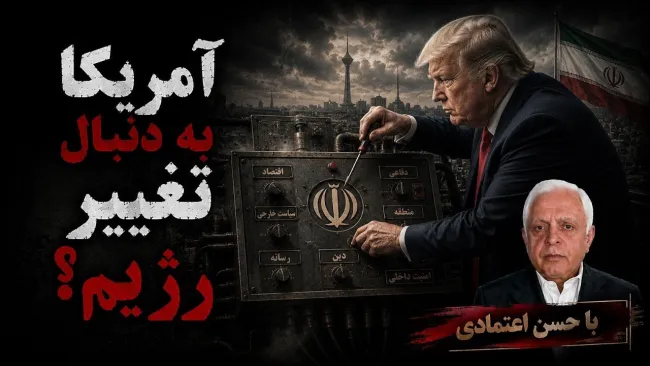
Hassan Etemadi: According to the experience and existing conditions, Pahlavi will not come to Iran
America never seeks regime change in Iran
Read more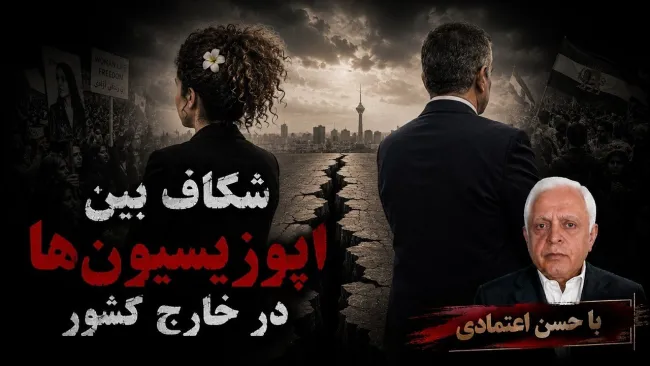
Hassan Etemadi: The war created several factions among the oppositions abroad
I don't think that the split and disagreement in the deep layers of the government will lead to collapse
Read more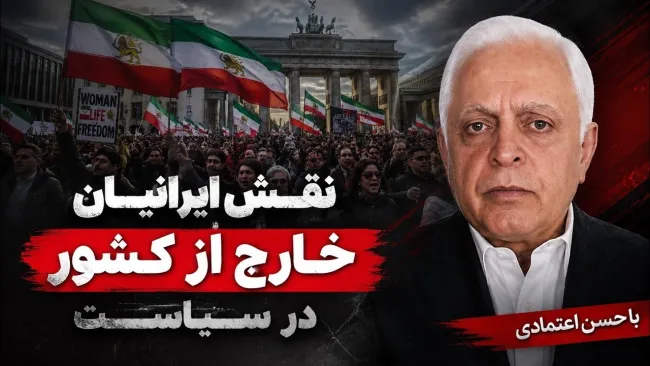
Hassan Etemadi: Serious revisions must be made regarding political issues.
If the policies of the Islamic Republic continue, some Iranians abroad will not remain silent.
Read more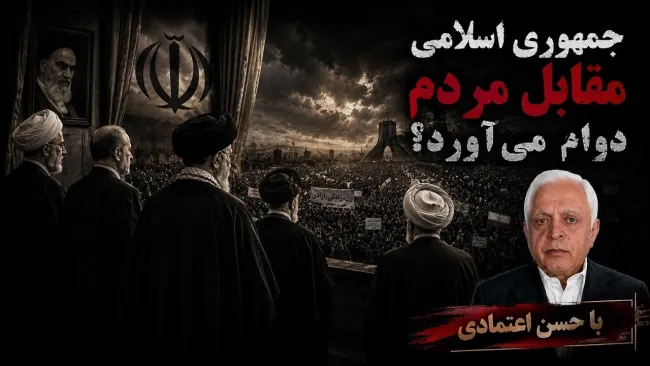
Hassan Etemadi: If the Islamic Republic wants to survive, it must gain the people’s consent; otherwise, it will not endure.
If they repeat their past actions, protests broader than those of “Deymah” (January protests) will occur in Iran.
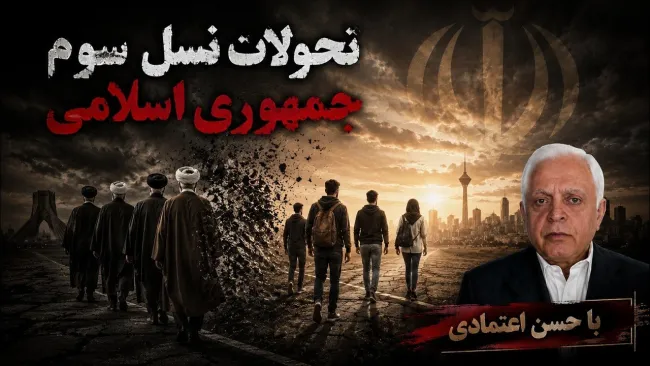
Will the third generation of the Islamic Republic bring about changes?
Hassan Etemadi: The children of senior officials mostly live outside Iran and have undergone many changes.
Read more
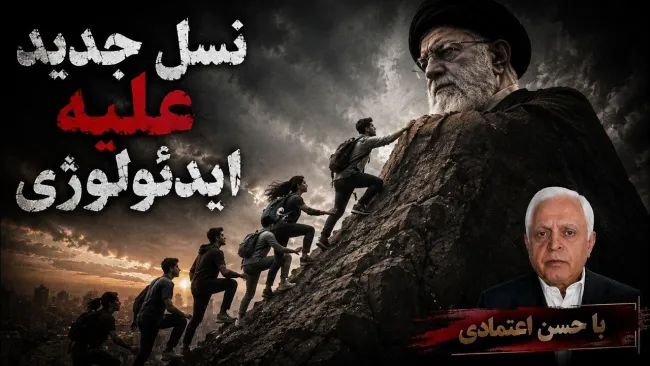
Hassan Etemadi stated that a segment of the Revolutionary Guards intends to adjust the current conditions in accordance with the preferences and inclinations of the younger generation.
They understand that it is not possible to govern a country based on a set of ideological and religious frameworks.
Read more
Did Ayatollah Khamenei achieve his goals during his rule?
Hassan Etmadi: The Islamic Republic has been successful in missile production activities
Read more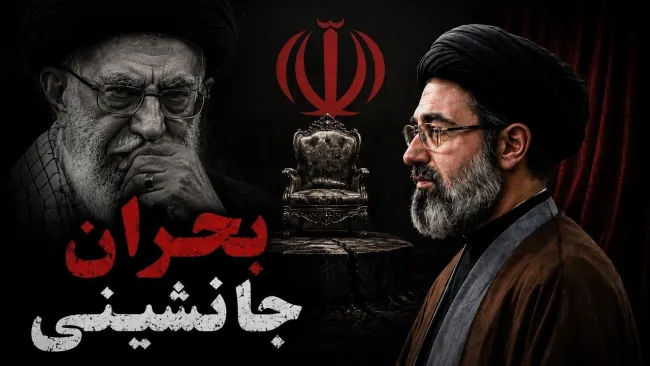
Succession Crisis in the Islamic Republic; End or Temporary?
Can a miracle create fundamental changes in the structure?
Read more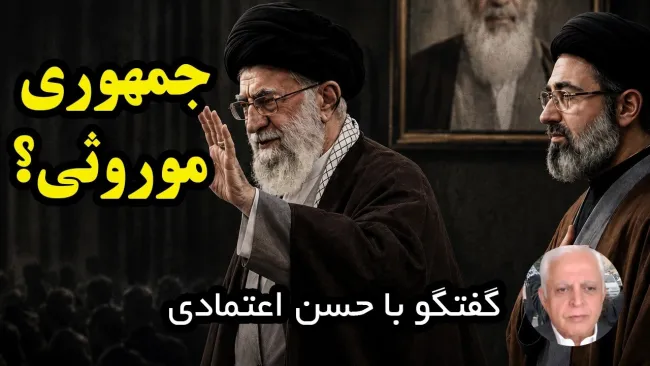
Hassan Etemadi: The Islamic Republic considered hereditary rule to be one of the flaws of the monarchy, yet they ended up doing the very same thing.
Hereditary rule is one of the hallmarks of authoritarian governments.
Read more
Hassan Etemadi: The 1979 Revolution Was a Political Revolution
A government came to power that paid no attention to cultural and social issues and was solely focused on gaining political power.
Read more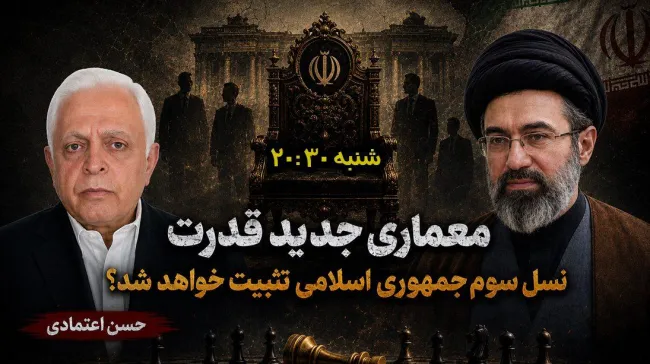
See | Mojtaba Khamenei and the New Architecture of Power; Will the Third Generation of the Islamic Republic Be Established? Interview with Hassan Etemadi, Political Analyst
Now on Abdi Media's YouTube channel
Read more![متقی: حادثه [دیماه] کاهیت کاملا تراژیکی داشت](/sites/default/files/styles/max_650x650/public/1404-12/ebrahim-motaghi_13.jpg.webp?itok=-MOHBDWf)
Motaghi: The [December/January] incident had a completely tragic quality.
Reformist groups were unable to act as intermediate social forces and got caught up in the crisis themselves.
Read more
Motaghi: Israel should coordinate with America in strategy
The regime change is related to the last stage and it is created in an environment where a full-scale war between Iran and America will be created.
Read more
Motaghi: The war will be tactical in nature and will be based on "power shift".
Iran is the last link in the axis of evil that George Bush Jr. proposed (minus North Korea).
Read more
Motaghi: The probability that Reza Pahlavi will come to power in Iran is very limited
In Iran, a "transition" may be formed or a "power shift" may be created; But in any case, Reza Pahlavi will not have a structural position
Read more
Motaghi: Iran will never experience the imperial atmosphere again
Reza Pahlavi has no will, authority, strategy and tactics
Read more
Motaghi: The Americans will never deploy military forces in Iran
Americans emphasize space control; However, the Israelis' view is that the atmosphere should be made critical, violent and bloody
Read more
Motaghi: Trump is not looking for a full-scale war
American military operations are for more bargaining and a more effective role in building power
Read more
Motaghi: Today there are many differences in Iran's social structure
If the political processes in Iran become too radical, there will be violence that will cover the whole of Iran!
Read more
Motaghi: I consider Reza Pahlavi a stage tool
In the coming months, we will see an escalation of violence
Read more
Motaghi: The separation of the construction of power from the social forces leads to the transformation of the foreign force into a "liberating actor".
[In January] a large part of the social space felt that it could no longer have peaceful discourse formats.
Read more![متقی: اقدامات مسلحانه هیچ تأثیری [در پیروزی انقلاب ۵۷] نداشت](/sites/default/files/styles/max_650x650/public/1404-12/ebrahim-motaghi_3.jpg.webp?itok=aDJ6wsDC)
Motaghi: Armed measures had no effect [in the victory of the 1978 revolution].
The United States and France also used non-violent policies during that period
Read more
Motaghi: A system that is inefficient is more inclined to mechanical action
Read more
Motaghi: The current atmosphere bears a strong resemblance to August/September 1978.
Read more
Motaghi: No one can ignore the role of media and international factors in political subversion.
The field of governance had a lot of opportunity and experience to heal wounds
Read more
Motaghi: The social structure in Iran has been transformed.
"Heroic Flexibility" means that when you cannot realize your politics, power, ideals, and patterns, you must accept what is imposed upon you!
Read more
Mottaqi: Over the past years, the political system has tried very hard to unify the space.
This mechanical integration is one of the main factors of structural fragility.
Read more
Mottaqi: The media created conditions for someone who was never a political activist to become bold.
What started in Iran will continue because none of the actors achieved their goals.
Read more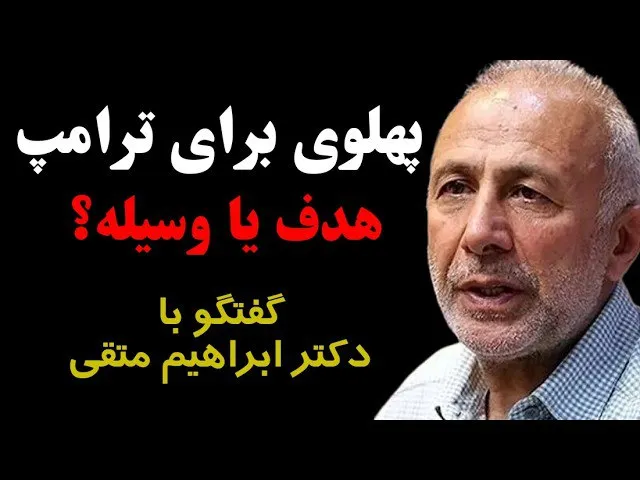
See: Pahlavi for Trump: End or Means? | Has Iran's defining moment begun?
With the presence of Dr. Ebrahim Motaghi, professor and faculty member of the Department of Political Science, Faculty of Law and Political Science, University of Tehran
Read more
Roghani Zanjani: All government policies are reflected in the budget
The U.S. military budget is $4,800 billion, our military budget is $60 billion!
Read more
Saeed Zibakalam: I do not regret the 1978 Revolution.
The Islamic Republic is not subservient to any country.
Read more
Roghani Zanjani: First of all, I consider the current crisis to be an economic crisis
The priority of saving the Muslim community from Israel is costly!
Read more
Saeed Zibakalam: With Reza Pahlavi's arrival, this situation of democracy, discrimination, embezzlement, and bribery will not be resolved.
We, the political activists, are also affected by corruption and discrimination in the field of politics
Read more
Roghani Zanjani: A huge legitimacy gap has formed between the new generation and the previous generation
Hijab has now become a tool of resistance
Read more
Saeed Zibakalam: I am opposed to any sudden change enforced by force and physical means.
These practices will continue the cycle of authoritarian rule and authoritarian culture.
Read more
Saeed Zibakalam: Hassan Rouhani has committed plagiarism, lied, and tricked people!
He has neither the necessary university education [for the guardianship of the jurist] nor the necessary seminary knowledge.
Read more
Roghani Zanjani: You cannot tell the Houthis to fight and not provide them with resources!
Strategic policies dictate the allocation of resources and indicate the strategic priority of governance
Read more
Saeed Zibakalam: As long as political and media activists stay silent, the current approach will continue.
I can easily imagine that this current Supreme Leader or the next Supreme Leader will revise everything that has been done so far.
Read more
Roghani Zanjani: The government's public revenues for this year are nearly 2,446 trillion rials.
The budget deficit for the first eight months of the year 2024 was 783 trillion rials.
Read more
Roghani Zanjani: This year's budget tries to prevent the crisis
The unemployment rate will increase by 12% in 2025
Read more
Saeed Zibakalam: The Guardianship of the Jurist is also a theory; don’t peg it to religion!
Some religious authorities and seminary scholars do not accept the guardianship of the jurist.
Read more
Saeed Zibakalam: We revolutionaries have made mistakes that we need to reconsider.
One of the factors behind the slogan 'Reza Shah, may your soul be happy' is the people's living conditions.
Read more
Saeed Zibakalam: Which of our political and press courts will be held with the presence of a jury?!
How did Articles 26 and 27 get out of our constitution?!
Read more
Saeed Zibakalam: Today, without having a court, we actually have a court!
We have a court that has added "deception"—the third wing—to its existing "wealth and power."
Read more
Saeed Zibakalam: We turned our backs on republicanism, democracy, and political parties!
The decadent political culture of the monarchy slowly moved forward from February 1979 to March 1979.
Read more
Watch | 2026 Budget Against Livelihood; Rescue or Continuation of the Crisis? Featuring Masoud Roghani Zanjani
Read more
Saeed Zibakalam: I am sure many ministers and officials know a lot of things; but they don't reveal them until they feel the time is right!
When disorder arises, some members of parliament start talking; they bring up things from three, four, or ten years ago!
Read more
Saeed Zibakalam: During the Pahlavi era, we didn't have anything called culture or party activity
After the first step of the revolution, we had to move on to forming political parties.
Read more
Saeed Zibakalam: Our parties are either scripted or decorative!
I don't know of any powerful party in Iran.
Read more
Saeed Zibakalam: In the 1979 revolution, only one step of the revolution was taken
The 1979 revolution was nothing more than removing a number of important and influential political figures from the Shah's regime!
Read more
Watch/ Examining the obstacles of republicanism in the midst of structural reforms and political obstruction with the presence of Dr. Saeed Zibakalam, professor of philosophy at Tehran University
Read more
Abdolreza Davari: I believe that part of the future of the Islamic Republic lies in the ideas of Mr. Qalibaf
The third leadership period will bring a transformation based on authority and pragmatism and moving towards development
Read more
Abdolreza Davari: I consider the issue of the monarchy returning to Iran to be out of the question
Mr. Reza Pahlavi has distanced himself significantly from the monarchy paradigm.
Read more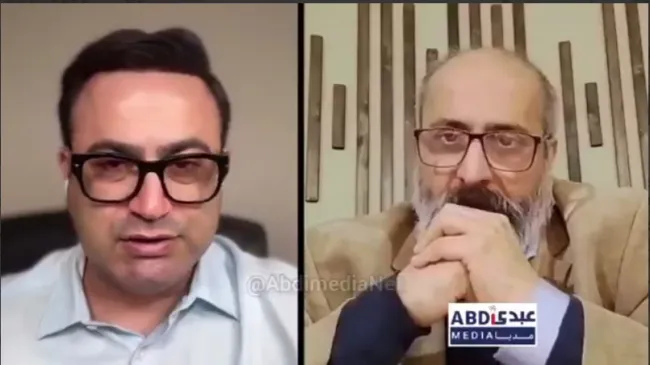
Abdolreza Davari: The officials of the Islamic Republic were themselves subversives before 1979!
The Islamic Republic knows how to contain protests because it was once a subversive government itself.
Read more
Abdolreza Davari: I see Mr. Pezeshkian's government—within the paradigm of governance—as being in a complete dead end.
The 2026 budget is a war budget.
Read more
Abdolreza Davari: Mr. Pezeshkian must either change his strategy or step aside.
Mr. Pezeshkian's government is a peacetime government.
Read more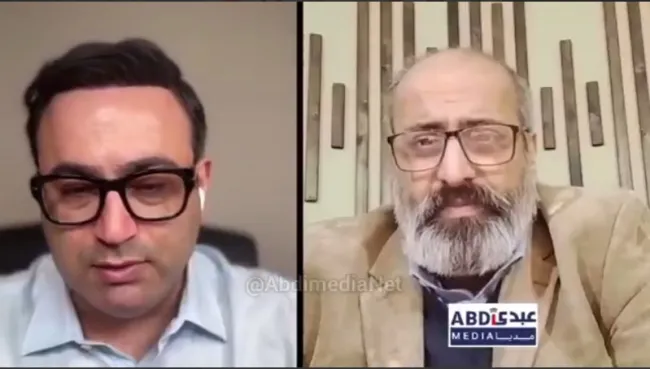
Abdolreza Davari: Concentration of power reduces accountability; however, it must increase efficiency.
I believe that the Iranian people prefer a concentration of power that increases efficiency in proportion to that concentration.
Read more
Will the Islamic Republic collapse after Ayatollah Khamenei?
In the moment of an existential crisis, the entirety of society's religious forces—despite their criticisms—become a unified whole.
Read more
Abdolreza Davari: Structural reform is absolutely not part of Ayatollah Khamenei’s leadership paradigm.
Ayatollah Khamenei considers strategic retreat to be religiously forbidden (haram).
Read more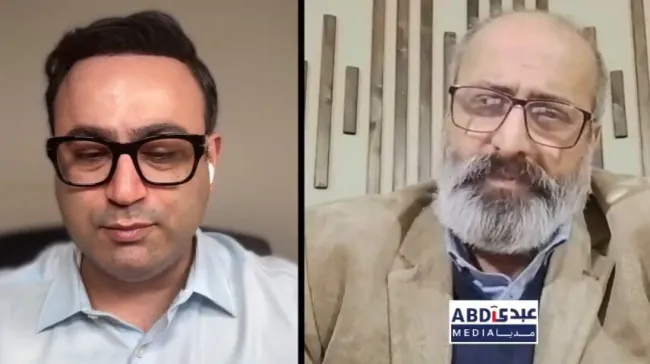
Abdolreza Davari: In the new era, the IRGC will have the upper hand over the clergy.
Since the establishment of the Islamic Republic, two power blocks, the "Clergy" and the "Hezbollah and the IRGC," have maintained a clear presence.
Read more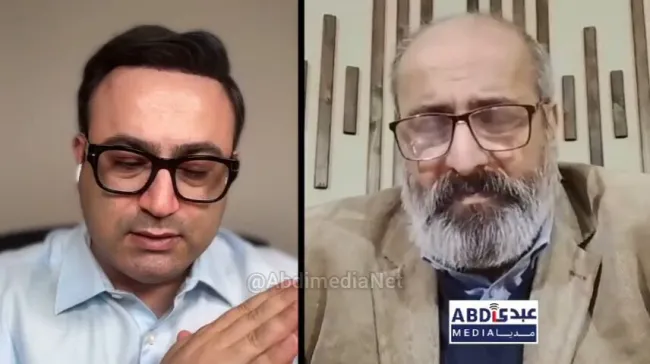
Abdolreza Davari: The third leadership will not deviate from the track established by the second leader.
There may be differences in some tactics; however, the track remains the "Second Step of the Revolution."
Read more
Abdolreza Davari: Sanctions have completely ruled out the possibility of regime change, uprisings, and popular revolutions in Iran.
A society that is fighting for its survival does not have the energy for structural change.
Read more
Abdolreza Davari: The Baqiyatallah al-Azam Headquarters is the implementer of the "Statement of the Second Step of the Revolution."
I consider the "Chastity and Hijab Law" to be a part of the "society-building" process within the framework of the Statement of the Second Step of the Revolution.
Read more
Abdolreza Davari: From the perspective of the author of the "Statement of the Second Step of the Revolution," the current crisis lies within the structure of the government.
My prediction is that the "Second Step of the Revolution" will bring about a structural change within the Islamic Republic.
Read more
Abdolreza Davari: What is proposed in the "Statement of the Second Step of the Revolution" is not compatible with liberal democracy or pure republicanism.
The "Statement of the Second Step of the Revolution" is a very transparent and clear document.
Read more
Abdolreza Davari: If our structural changes are based on the "Statement of the Second Step," responsibilities will become transparent.
Today, in the midst of various crises, you cannot hold anyone accountable.
Read more
Abdolreza Davari: The 20-year vision document could not function without a foreign policy compatible with the global order.
If our foreign policy had not entered into such conflicts, that document would have been achievable.
Read more
Abdolreza Davari: Since 2019, no power source has had the ability to influence the leadership's direction-setting.
After 2019, a period of undisputed space began for Ayatollah Khamenei.
Read more
Tonight Live | An Examination of the Obstacles to Republicanism Amidst Structural Reforms and Political Gridlock, featuring Dr. Saeed Zibakalam, Professor of Philosophy at the University of Tehran.
8:00 PM Iran Time
Read more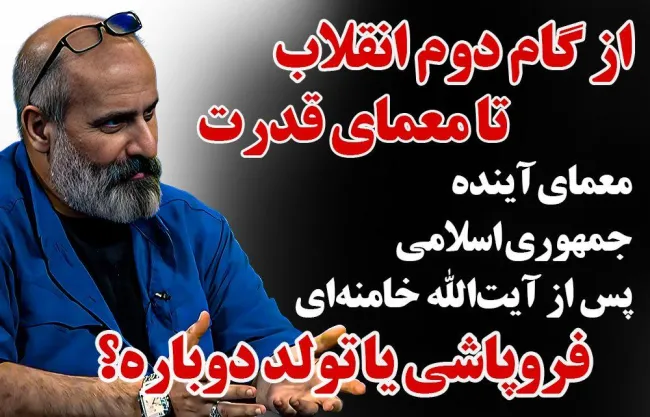
Watch | From the Second Phase of the Revolution to the Mystery of Power / The Mystery of the Future of the Islamic Republic After Ayatollah Khamenei; Collapse or Rebirth? Featuring Abdolreza Davari, Media Activist.
Read more
Live Tonight | From the Second Step of the Revolution to the Enigma of Power / The Enigma of the Future of the Islamic Republic After Ayatollah Khamenei: Collapse or Rebirth?
With the presence of Abdolreza Davari, media activist, at 20:00 Iran time.
Read more
Fazel Meybodi: The [Assembly of] Experts must seek advice from specialists outside the Assembly in the process of choosing the next leader.
This movement will not allow a person like Mr. Khatami to be considered for the next leadership.
Read more
Fazel Meybodi: The inner freedom that existed in the seminaries before the Revolution does not exist today.
For a peaceful transition from the second leadership to the third, Article 5 of the Constitution must be put to a referendum
Read more
Fazel Meybodi: There is a certain gang and group that wants to enforce Hijab in society through fines.
In our country, a movement has taken over sensitive positions that possesses neither political literacy nor the knowledge to manage society.
Read more
Fazel Meybodi: 50–60% of the country's problems lie in the issue of implementation.
Some flaws also stem from the structure of the government and the center of gravity of its policies.
Read more
Fazel Meybodi: The experience of religious government has not been a successful one.
If real criticism had been allowed, we would not have ended up here!
Read more
Fazel Meybodi: Political freedom in the IRIB (Islamic Republic of Iran Broadcasting) is not in the interest of certain eulogists and political and economic mafias.
The final word must be spoken by the wise members of society.
Read more
Fazel Meybodi: No one imagined that one year after the revolution, we would be facing the Kurdistan issue!
Mr. Khomeini's pre-revolutionary perspective was vastly different from his post-revolutionary outlook.
Read more
Fazel Meybodi: The Mojahedin-e Khalq and the Freedom Movement also believed that there is a concept of government in Islam.
The model for this government was Imam Ali, and its manifesto was the Nahj al-Balagha.
Read more
Fazel Meybodi: The rotation of power controls individual greed.
At the beginning of the Revolution, many leftists in their newspapers were saying "Bravo" to Khalkhali [for his executions]!
Read more
Fazel Meybodi: Ayatollah Khomeini's acceptance of the title "Imam" was not a new phenomenon in the culture of the clergy.
Ayatollah Khamenei did not possess the charismatic personality of the Imam.
Read more
Fazel Meybodi: No one recognized Ayatollah Khomeini as the "Vali-e Faqih" (Guardian Jurist); he was known as the Leader of the Revolution.
Ayatollah Khamenei did not possess the charismatic personality of the Imam (Khomeini).
Read more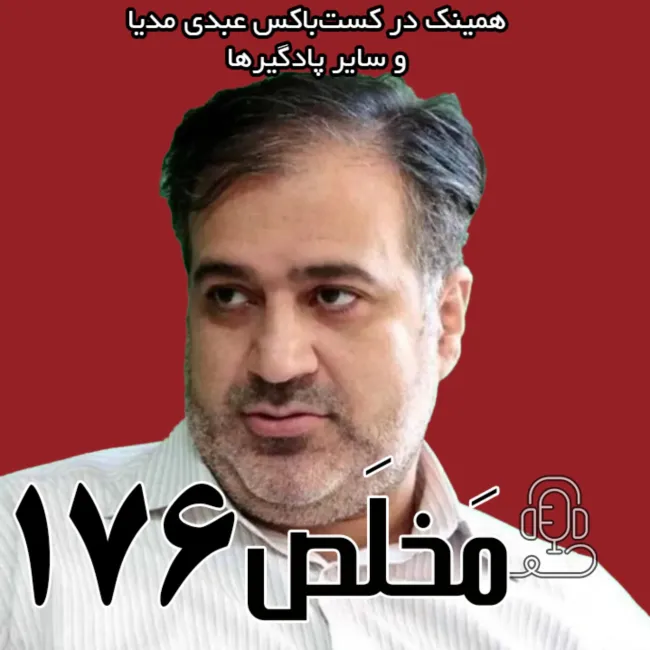
Listen | Summary 176 | Democratic Transition or Repetition of Tyranny?
Mehdi Mahmoudian's conversation with Abdi Media
Read more
Listen | Islam and the Islamic Republic; The Future of a Governmental Reading
In the presence of Hajj Sheikh Mohammad Taqi Fazel Meybodi
Read more
Mahmoudian: I accept Mr. [Mehdi] Nasiri's change, but the change must be accompanied by providing reasons
If the judicial institution is formed during the transition period, these people will not be able to become His Majesty's lifeguard by shaving Judge Salavati's beard!
Read more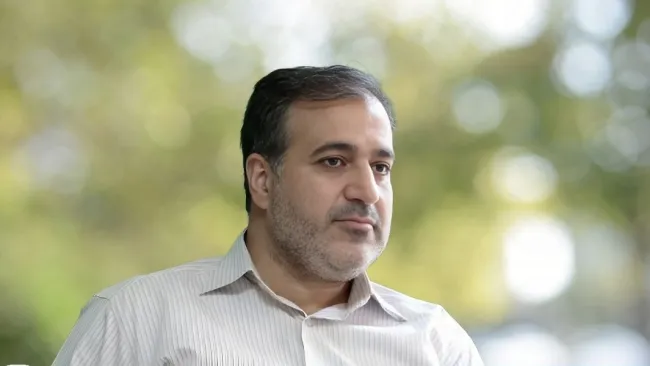
Mahmoudian: Mr. Khamenei is not meant to be the agent of change; he will also accept change by force
Personal weakness and the strength of the other party can be two factors that cause the government to retreat.
Read more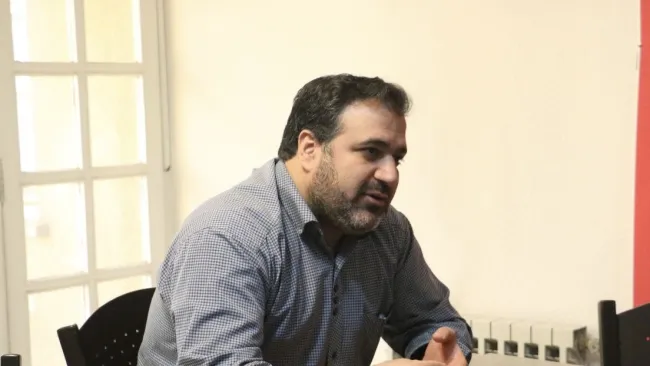
Mahmoudian: Our goal in political action is to reduce repression and costs
Violence against the force of oppression intensifies oppression.
Read more
Mahmoudian: If our people do not share in development and power, they will ruin the game
We cannot have Bin Salman in our society.
Read more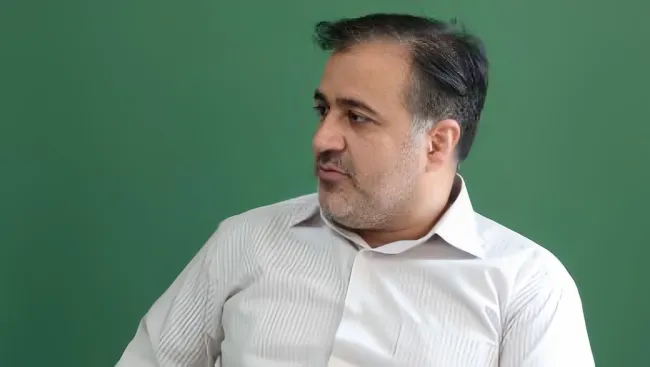
Mahmoudian: My issue is not Mr. Khamenei; my issue is the transition to a democratic system
The Islamic Republic's greatest weakness is the authority of the jurist.
Read more
Mahmoudian: The government's balance has become so heavy that it doesn't even see the people!
Mr. Jannati will still be in office even if he is 200 years old, because he has power.
Read more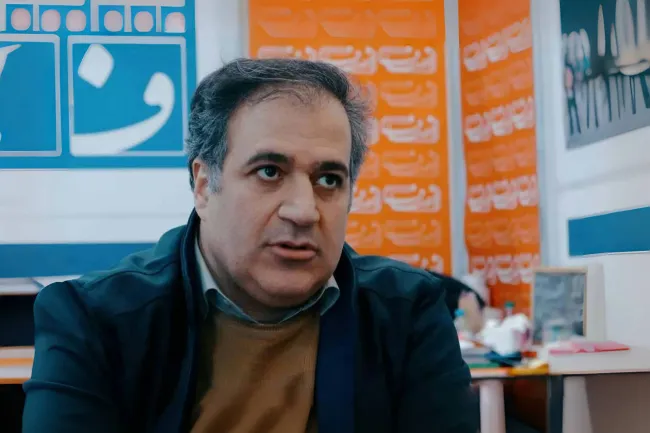
Mahmoudian: The ruling structure of Iran did not have the capacity and capacity for reform
Three types of change are possible: reform, revolution, and transition.
Read more
Mahmoudian: Those who say "Long live Mr. Pahlavi!" become idols!
Mr. [Mehdi] Nasiri is the one who was replaced by Hossein Shariatmadari to prevent his extremism!
Read more
Mahmoudian: Nothing should remain of the Islamic Republic!
The type of future system is of secondary importance to me.
Read more
Mahmoudian: What happened in the 1979 revolution was a people's uprising against inefficiency
The result of this change was disastrous!
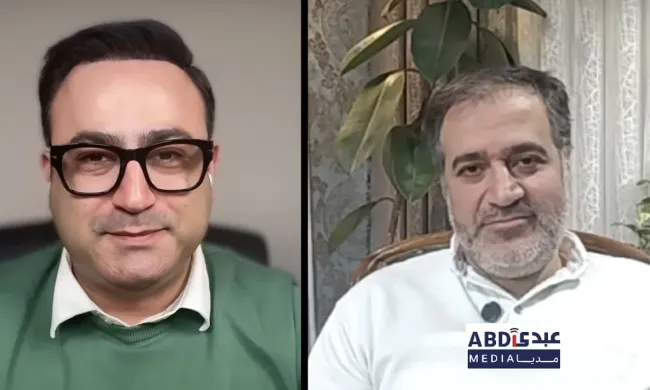
See: From Compulsion to Change to Responsibility to Choose: Democratic Transition or Repetition of Tyranny
With the presence of a conversation with Mehdi Mahmoudian, activist and political prisoner

Soleimani Ardestani: I do not believe in clerical rule.
It is possible that when the "white smoke" emerges, it will be completely contrary to our expectations.
Read more
Soleimani Ardestani: You will not be able to speak to these people about religious government for the next few hundred years!
Perhaps if a personality like Mr. Khatami were to become a temporary leader [for a transition to democracy], the people might accept it.
Read more
Soleimani Ardestani: Among the current clergy, I do not see anyone who possesses the competence to govern the country.
The clergy currently do not even have the competence to preach in mosques!
Read more
Soleimani Ardestani: I am very optimistic about the Iranian nation.
The people weigh the country's best interests and make decisions rationally.
Read more
Soleimani Ardestani: It is not clear what will emerge from this very Assembly of Experts 24 hours after the passing of the current Leader.
A hypocritical society cannot be predicted.
Read more
Soleimani Ardestani: If Mr. Khamenei changes his approach, I too will become his supporter.
With this current direction, I am not optimistic [about reaching the third leadership].
Read more
Soleimani Ardestani: Islam no longer holds a place in the minds of the majority of our society's youth today.
For these 46 years, we have been paying the price for a single mistake (the occupation of the U.S. Embassy).
Read more
Soleimani Ardestani: What is being interpreted as Velayat-e Faqih today is a catastrophe!
Throughout history, the majority of Shiite jurists believed that something called Velayat-e Faqih (in the sense of the rule of the jurist) does not exist.
Read more
Soleimani Ardestani: This system has not achieved its goals and has caused severe damage to both the religion and the worldly lives of the people.
I believe in fundamental reforms.
Read more
Soleimani Ardastani: The Islamic Republic has been transformed into an individual rule (or a one-person government).
I believe there is no such thing as an Islamic Government!
Read more
Soleimani Ardastani: Ayatollah Mesbah (Yazdi) was fiercely in favor of individual rule (authoritarian rule/monocracy).
Among traditional scholars, Ayatollah Mesbah (Yazdi) had the worst reaction (or attitude/approach) toward the new human rights system.
Read more
Soleimani Ardastani: The Leader told Mr. Mesbah (Yazdi) that he is the Motahhari of our time!
The only commonality I see between these two people is that both of their turbans are white!
Read more
Soleimani Ardastani: The Islamic Republic's interpretation (reading) of Islam is an unprecedented interpretation.
In this interpretation, a republic has been formed in which the people have no role whatsoever (are powerless).
Read more
Soleimani Ardastani: The security offices the Special Clerical Court, and so on, have had one achievement, and that is fostering hypocrisy!
[These agencies] have turned human beings into hypocrites who speak according to the government's wishes, but their belief is something else.
Read more
Soleimani Ardastani: Someone on television portrayed Imam Ali and the Prophet as ill-tempered and disagreeable; yet, not a single voice was raised from the seminary !
When ethics disappear, commitment also disappears; this is how corruption becomes widespread and institutionalized.
Read more
Soleimani Ardastani: I was prepared for the insults and accusations.
My hypothesis was that the reading (interpretation) presented of Shia Islam destroys ethics.
Read more
Soleimani Ardastani: Whenever religion has taken charge of government, it has been harmed itself.
What I have seen in these 48 years is completely consistent with my studies in the history of religions.
Read more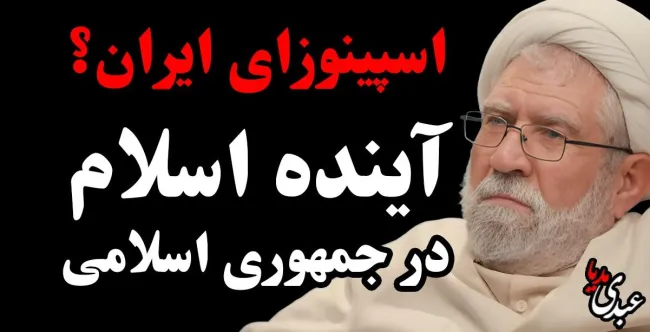
Watch: Spinoza of Iran? | The Future of Islam in the Islamic Republic featuring Haj Sheikh Abdolrahim Soleimani Ardastani
Researcher of religions, retired professor at Mofid University, and former member of the Assembly of Lecturers and Researchers of the Qom Seminary.
Read more
Zibakalam: The economy of the Islamic Republic of Iran is a corrupt and inefficient state economy.
Everything in the Islamic Republic is state-owned
Read more
Zibakalam: You can in no way stop fuel smuggling.
Arab countries are sleeping on money (extremely wealthy), but even there, gasoline is 60–70 cents.
Read more
Zibakalam: The government of the Islamic Republic buys imported gasoline for 80-90 thousand Tomans per liter and sells it for 5 thousand Tomans!
The annual budget of Iran's Department of Environment is only 80 billion Rials
Read more
Zibakalam: In the past forty years, many dictatorial regimes have moved towards democracy.
Brazil, Argentina, Chile, Turkey, and Pakistan should not be compared with Norway.
Read more
Zibakalam: Velayat-e Faqih (Guardianship of the Islamic Jurist) has shown that it is completely incompatible with the principles and foundations of democracy.
I have not seen any authoritarian system throughout history that has endured.
Read more
Zibakalam: The establishment, generally, does not feel that it has a problem!
Showing the solution and settling the matter with the establishment (Nezam) is not important for him.
Read more
Zibakalam: In a society where over seventy percent have issues with the governance, an incident like the story of Mahsa could happen at any moment.
I have not seen a single person in the streets who supports the establishment
Read more
Zibakalam: The main reason for Tajzadeh remaining in prison is that he addressed the Leader personally.
Khatami, Mar'ashi, Aref, and... also do not dare to voice the things Tajzadeh says.
Read more
Sadegh Zibakalam's narrative of the memorial service for Mostafa Tajzadeh's brother
Zibakalam: The establishment and the officials were not very pleased with the welcome/reception (shown by) the people and the famous figures.
Read more
See: Iran pregnant with incidents?! With the presence of Dr. Sadegh Zibakalam, professor of political science at the university
Read more
Live Tonight / Iran Pregnant with Events?! With the presence of Dr. Sadegh Zibakalam, Professor of Political Science at the University
19:30 Iran time
Read more
Simorgh | Intellectualism, Power, and the Deadlock of Republic in Iran – Conversation between Mehdi Motaharnia and Sadegh Zibakalam
In a conversation with Sadegh Zibakalam, we examine the narrative of intellectualism, power, and the challenges of republicanism in present and future Iran. He believes that society must learn that it is possible to engage in dialogue on important issues despite differences and distinctions. Zibakalam, who for years has defended the right to vote, political participation, and dialogue with the system, now faces a part of society’s disillusionment with this approach and explicitly asks: Was the previous approach during the terms of Mr. Rouhani and Pezeshkian correct or mistaken? What are the reasons, and how can they be interpreted and justified?
Read more

Sheikh Nasser Naqavian: You have controlled all aspects of this country for 45 years; what has been the result?!
The place of ethics in our governance and politics is missing!
Read more
Sheikh Naser Naqavian: Concentration of power must be eliminated.
If the government wants to regain its lost popularity, it must first engage in a transparent and fearless dialogue with intellectuals.
Read more

Simorgh | Wisdom, Governance, Identity — a conversation between Mehdi Motaharnia and Dr. Ali-Asghar Pourazzat on Abdi Media
In the latest episode of Simorgh, Dr. Mehdi Motaharnia hosts Dr. Ali-Asghar Pourazzat, a prominent professor of management at the University of Tehran. The conversation begins with sharp criticisms and candid responses, and then shifts to broader discussions on public trust, wisdom, and governance in today’s Iran. The session examines topics ranging from capitulation and structural corruption to the decline of public trust and the meaning of public administration under current circumstances.
Read more

Sheikh Nasser Naqavian: Those gentlemen who sit in the seminaries and issue fatwas should come with me to the classrooms and the streets!
Note: This episode of Simorgh, produced by Abdollah Abdi, was recorded before the Israeli attack on Iran.
Read more

Listen | Simorgh | Ethics, Future Governance, and Fiqh – a conversation between Mehdi Motaharnia and Sheikh Nasser Naqavian.
Read more
Sheikh Nasser Naqavian: If a jurist can advance their thinking to the level of the community’s intellectual leaders, the people will accept them.
In the Constitution, alongside the term “jurists,” the phrase “fully qualified” is also mentioned.
Read more
Listen: Simorgh | Economy, Justice, Hidden Collapse — a conversation between Mehdi Motaharnia and Dr. Hossein Raghfar on Abdi Media
Structural corruption, the banking system trapped in the grip of security institutions, and the education crisis; Hossein Raghfar warns bluntly in an interview that if military institutions and ruling foundations do not step aside from the economy, there will be no hope for the country’s political survival.
Read more

Sheikh Naser Naqavian: In Ayatollah Khomeini’s view, music was absolutely forbidden!
If our seminary cannot update itself, it is doomed to the same fate that priests and clergy of other religions have faced.
Read more
Sheikh Nasser Naqavian: We are not seeking a revolt or reform in the sense of a revolution; rather, we aim for a structural reform.
These people have seen enough blood and bloodshed; they cannot bear another disorder — in which the blood of innocents would be spilled.
Read more![صادق زیباکلام: اگر دلیلی برای عبور از [عقاید] خودم ببینم، قطعا عبور خواهم کرد](/sites/default/files/styles/max_650x650/public/1404-07/zibakalam_11.png.webp?itok=cqRSDbTT)
Sadegh Zibakalam: If I see a reason to depart from [my beliefs], I will certainly do so.
The three words that will shape Iran’s future: abandoning resentment, hatred, and malice.
Read more
Sadeq Zibakalaam: Our biggest problem is understanding the developments in our own society!
Note: This season of the Simorgh program, produced by Abdullah Abdi, was produced before the Israeli attack on Iran.
Read more
The Right to Protest and Iran's Future Governance Model, Mehdi Motaharnia's Conversation with Hedayat Aghaei on the Simorgh Program
In a world where political order is being redefined, the key question is how reformism in Iran will have to do with the future; Can it be the accelerator of change or will it become a deterrent? Part of the community has passed through reformism in year 6, and this will undoubtedly affect the future of Iran and the future of politics in the country.
Read more
Sadegh Zibakalam: It matters who is the president
I wanted with all my being to prevent Jalili's presidency; because it was a continuation of the misery that started during Mr. Raisi's time.
Read more
Sadegh Zibakalam: I am against the overthrow, but I am seeking change with all my heart.
I am in no way saying that we must cling to this system with our claws and teeth!
Read more
Water Crisis and Natural Resources; A Conversation Between Environmental Activist Mohammad Darvish and Ataullah Ebrahimi, Director of the Soil Conservation and Watershed Management Research Institute
While natural resources can act as the cornerstone of a country's stability, their lack of proper management can lead to serious problems and even the collapse of the land. To this end, today, with Dr. Ebrahimi, the head of the Institute for Soil and Watershed Management, we are discussing the effective challenges and strategies in the country's natural resource management.
Read more
Criticism of the young generation's narrative of the 1979 Revolution
Don't read more than two pages of the book to see what happened in 1979, you will only look at us with hatred and resentment.
Read more
Sadegh Zibakalam: If the Islamic Republic falls tonight, we have come out of the hole and fallen into the well.
After the fall of the Islamic Republic, our gaps will just explode and get out
Read more
Sadeq Zibakalam: We should not join the wave of hatred and grudges and say that we have no other choice but to overthrow!
Our society is influenced by four deep social divisions: cultural, religious, ethnic and financial divisions
Read more
Sadegh Zibakalam: In January 2017, some female students at Tehran University took off their headscarves for the first time.
With the anger I saw in the Basij's eyes, they might have shot female students if they had weapons
Read more
Sadegh Zibakalam: The overthrow of the cause of hatred and hatred of the Islamic Republic's system
I believe at least 5 % of Iranian people are dissatisfied with this system
Read more
Sadegh Zibaklam: When I say I disagree with overthrow, they say, "Do you see blindness?"
What you have passed through this system, what have you done since year that this system has been closer to overthrow?
Read more
Sadegh Zibaklam: Some - like Mr. Mehdi Motaharnia - are mounted on this wave [which the system reaches the end of the line] and are careful not to find!
What if you say anything but overthrow, what have you done in the past few years?!
Read more
See: Simorgh | Intellectuals, Power and Stock of Republicanism in Iran Dialogue Mehdi Motaharnia and Sadegh Zibaklam
Note: This season has been produced since the Israeli attack on Iran.
Read more
See: The Water and Environmental Crisis in Iran, a conversation between environmental activist Mohammad Darvish and ecologist Adel Jalili
Today's interview is with Dr. Adel Jalili, a well-known name in the field of natural resources and long-time director of the National Botanical Garden of Iran; someone who has worked for years to protect endangered species and expand ecological knowledge, but now speaks at a time when the news of the dissolution of the Natural Resources Organization in the new government has raised serious concerns
Read more
Ataullah Ebrahimi: 70-80 percent of the Natural Resources Organization's duties are governance duties
I don't think this decision was made consciously
Read more
Ataullah Ebrahimi: We must solve our soil problem before solving the water problem
We need to turn off the water supply valve so we can return the tank to its original state
Read more
Ataullah Ebrahimi: We have one of the highest soil erosion rates in the world
We are losing our territorial ecological capacity at a faster rate than the rest of the world
Read more
Hossein Salahvarzi: The private sector's share of the economy must increase
The task of the private sector all over the world is to make demands and provide solutions
Read more
Hossein Salahvarzi: The government should avoid competing with the private sector
A large part of the private sector also only wanted to earn a larger share after the revolution
Read more
Hossein Salahvarzi: Today's government itself cannot import the foreign exchange earned from oil sales!
The result of these interventions is a decrease in non-oil exports
Read more
Hossein Salahvarzi: The country is becoming worn out in all matters
The country's economic developments are such that you can't even make economic predictions for your own family!
Read more
Hossein Salahvarzi: We are not even close to the goals of the 2025 Vision Document!
Administrative corruption and lack of meritocracy have destroyed the motivation [of activity] in the country
Read more
Hossein Salahvarzi: The real value of the dollar is about 80,000 Tomans
(This program was recorded before the Twelve Days War)
Read more
Hossein Salahvarzi: Almost half of Iran's economy is in the hands of rent-seekers
In an opaque administrative system where there are golden signatures, these things also happen!
Read more
See: Water Crisis and Natural Resources: A Conversation between Mohammad Darwish, an environmental activist, and Ataullah Ebrahimi, Director of the Soil Conservation and Watershed Management Research Institute
Prepared in Abdi Media
Read more
See: Simorgh | Economy and the Future of Governance, a conversation between Mehdi Motaharnia and economic activist Hossein Salahvarzi
Note: This episode of the program was produced before Israel attacked Iran
Read more
Water Crisis in Iran – Conversation between Mohammad Darvish, environmental activist, and Isa Bozorgzadeh, spokesperson for Iran’s water industry.
Reducing water exploitation in the country’s provinces has now become one of the main environmental concerns; an issue that experts believe is the only way to achieve resilience, reduce imbalances, and control land subsidence. However, this major change requires a reconsideration of livelihoods and businesses that are heavily dependent on water.
Read more
Tonight on Abdi Media: Simorgh | Intellectuals, Power, and the Deadlock of Republicism in Iran
Conversation between Mehdi Motaharnia and Sadegh Zibakalam
Read more
Isa Bozorgzadeh: Using unconventional water resources is a response to climate change.
We can convert the use of natural resources in a way that benefits the farmers.
Read more

Hossein Raghfar: The conditions for the real participation of private sector and public capital must be provided.
As long as the economy lacks sufficient transparency, a real private sector cannot operate.
Read more
Isa Bozorgzadeh: Water is not a political issue; it is a social issue.
Participatory water management is a tool that has been known for years but has not advanced.
Read more
Isa Bozorgzadeh: The executive bodies and the legislature have interests in “remaining in the final state.”
Statesmen must realize that many solutions lie in letting go.
Read more

Hossein Raghfar: The only solution to the crises is to return to the people.
There is a solution; but the solution cannot exist within the current order — or disorder.
Read more

Isa Bozorgzadeh: The solution to the country’s water issue is to reduce water loadings to the limit of the ecosystem’s resilience in each region.
The main actions on the issue of climate change have advanced through market mechanisms.
Read more
Tonight on Abdi Media: Water and Natural Resources Crisis
Conversation between Mohammad Darvish, environmental activist, and Ataullah Ebrahimi, head of the Soil Conservation and Watershed Management Research Institute
Read more
Hossein Raghfar: Housing is generally out of reach of the middle class
People have been excluded from the country's fundamental decision-making system.
Read more
See: Water Crisis in Iran Dialogue Mohamed Dervish Environmental Activist and isa bozorgzadeh Spokesman of the Water Industry of Iran
Right now on the website and YouTube channel of Abdi Media
Read more
Hussein Raghfar: The continuation of the current situation is not possible and will lead to political collapse.
The lower classes have been removed from the country's policy agenda.
Read more
Hosein Raghfar: The main subject of governance today is the interests of oligarchs.
Today a significant portion of the country's population cannot go to school.
Read more
Hossein Raghfar: After the war, national resources and opportunities were distributed in a very unequal manner.
As we progressed further, these inequalities intensified and the gap between the people and the government widened.
Read more
Hossein Raghfar: Today, many of the generals from the war era are among the country’s largest capitalists.
In 2008, on a single day, eight new banks were established.
Read more
Adel Jalili: Either you accept a civilizational Isfahan, or an industrial and agricultural Isfahan.
You can generate more revenue through tourism than from oil.
Read more

See: Simorgh | Economy, Justice, Hidden Collapse – Conversation between Mehdi Motaharnia and Dr. Hossein Raghfar on Abdi Media
Note: This episode of the program was produced before Israel’s attack on Iran.
Read more

Adel Jalili: We have one of the messiest economies in the world.
Development must be defined based on national interests.
Read more

Adel Jalili: The water crisis in megacities is a local crisis.
If you built water treatment and recycling facilities in Mashhad and its surrounding cities with 200 million dollars
Read more

Adel Jalili: The mountains are a great blessing for us.
One of the main centers for the speciation of Astragalus (Gavan) in the world is Iran.
Read more
Adel Jalili: The people are not guilty!
The prolongation of civilization creates a hidden culture that reveals itself at critical moments.
Read more
Adel Jalili: Every day an imbalance is added!
One of the sectors that can save Iran from these imbalances is tourism.
Read more
Ali-Asghar Pourezzat: If the administrative system is placed under my control, I will eliminate lifelong employment.
If someone gave immeasurable slogans, I would reject his qualification for representation.
Read more
Adel Jalili: The cancellation of the Ministry of Natural Resources was a very wrong decision.
In developed countries, natural resources are a completely independent and key subject.
Read more
Adel Jalili: The Ministry of Agriculture Jihad is large and incapable.
Previously, the functions of three to four ministries had been merged into the Ministry of Agriculture Jihad
Read more
Adel Jalili: Regarding the ratio of general government expenditures to the gross domestic product, Iran's government ranks 110th in the world
Iran ranks 73rd in the world in the ratio of government-employed labor force to the total labor force of the country
Read more

See: Water crisis and environment in Iran, a conversation with Mohammad Darvish, environmental activist, and Adel Jalili, ecologist
Right now on Abdi Media's website and YouTube channel
Read more
Ali Asghar Pour Ezzat: The country's security depends on authority
I can never trust a foreign soldier to provide my security.
Read more
Ali Asghar Pour Ezzat and Mehdi Motaharnia's argument in the new episode of Simorgh
If we correctly define the propositions of enjoining good and forbidding evil, the ruler cannot dominate.
Read more
Ali Asghar Pour Ezzat: We have a chaotic bureaucracy
Governance is the medicine we need today.
Read more
Ali-Asghar Pour-Ezzat: The left and right that came to power in the country had no commitment to the slogans they proclaimed.
You have also learned from living in the current conditions that you either accuse God.
Read more
Ali Asghar Pour Ezzat: What replaced the capitalists after the revolution failed to work as well as before
The disruption after this period and the collapsed order, for a while, experiment and trial and error dominated the country.
Read more
Simorgh | Wisdom, Governance, Identity: A Conversation between Mehdi Motaharnia and Dr. Ali-Asghar Pour-Ezzat on Abdi Media
Note: This episode of the program was produced before Israel's attack on Iran.
Read more
Water Crisis in Iran; A Candid Conversation with Dr. Kaveh Madani, Head of the Water, Environment, and Health Institute at the United Nations University
Iran has been facing a serious water crisis for years; a crisis that not only threatens the daily lives of people but also affects the country’s future security and economy. In this conversation, Dr. Kaveh Madani discusses both the hidden and apparent aspects of this issue and its consequences.
Read more
Hedayat Aghaei: The foundations of power in governance are changing.
Our society is transitioning away from past traditions.
Read more
Kaveh Madani: Agha Taeb said in a speech, "Kaveh Madani has gone to Israel four times and received training there."
Your system has all the information about my life and still creates fictional stories.
Read more
Hedayat Aghaei: Today, the reformists have become more diverse.
A broad spectrum of reformists no longer fall under traditional reformism; they are now transformation-seekers.
Read more
Hedayat Aghaei: The strategy of the reformist movement is undergoing change.
Even with Mr. Pezeshkian’s candidacy, the reformists did not support him as they had in the past.
Read more
Kaveh Madani: Even if I were a spy, I would have been a spy for the Iranian people within the structure of the Islamic Republic.
I’m glad to be here now and that, unlike people such as Mr. Kavous Seyed Emami, I haven’t perished.
Read more
Hedayat Aghaei: Under the current circumstances, the reformist movement has undergone identity changes.
Today, the reformists have the potential to bring about a profound transformation in society.
Read more![کاوه مدنی: یکی از بزرگترین چالشهای من در مقام معاونت [سازمان محیط زیست] نصب مدیرکل بود!](/sites/default/files/styles/max_650x650/public/1404-06/madani_16.png.webp?itok=ntFXqiMd)
Kaveh Madani: One of my biggest challenges as Deputy Director [of the Environmental Organization] was appointing the Director General!
Kaveh Madani: One of my biggest challenges as Deputy Director [of the Environmental Organization] was appointing the Director General!
Read more
Kaveh Madani: Mr. Pezeshkian is condemned to bear the effects of the system of previous governments
Which official in the Islamic Republic can guarantee you?!
Read more![حاتم قادری: [اختیار] جنگ متأسفانه در دست مردم نیست](/sites/default/files/styles/max_650x650/public/1404-06/ghaderi_18.png.webp?itok=akKZQfiz)
Hatem Qaderi: [The choice] of war is unfortunately not in the hands of the people
If we had a clear and strong opposition with clear social support, they could prevent war
Read more
Kaveh Madani: Declaring mistakes and defeat is not something that all rulers are willing to admit.
Our water problem is more apparent than the sun!
Read more
Kaveh Madani: We cannot compensate for all the damage we have caused to the environment
Kaveh Madani: We cannot compensate for all the damage we have caused to the environment
Read more
Iran's critical situation during the water bankruptcy, with the presence of NikAhang Kowsar, journalist and analyst in the field of water and environment
The water, which once was the life of the Iranian plateau and the glory of civilization, is now caught in the mismanagement, corruption and failed policies. The sources of Karun, Zayandehrood and Hirmand have become dry lines on paper, and the huge wetlands and lakes of Iran have become desert and desert centers. In this program, we will examine this crisis and the prospects for rebuilding this expensive heritage with Nick Kosar, an explicit water and environmental analyst.
Read more
The future of monarchy in Iran, an explicit interview with Dr. Hatam Ghaderi, Professor of Political Science University
The monarchy in Iran was not just a form of government, part of our historical and cultural identity. But why did it collapse and is it possible to return? Can it stand by democracy like some countries or is it permanently entrusted to history?
Read more
Kaveh Madani: The current water situation is not an "imbalance."
A "crisis" has a specific duration; it doesn’t remain a "crisis" forever. We have been facing a water crisis since the 1960s.
Read more
Kaveh Madani: To rescue the country, the contribution of the industry must be increased; Got from agriculture and gave to the industry
You can sell the industry and service expensive and buy it against food - which is cheap -
Read more
Kaveh Madani: Iran needs to reduce water consumption
Tehran's share of water consumption - compared to their area - is very high
Read more
Kaveh Madani: Providing Tehran's water by sweetening water on the coast of stupidity!
You give artificial breathing to the place where there is no development capacity and create a lot of water illusions
Read more
Kaveh Madani: The head of the Environment Agency has no authority in the field of water
Season -by -chapter of Iran Development Plan contradicts each other
Read more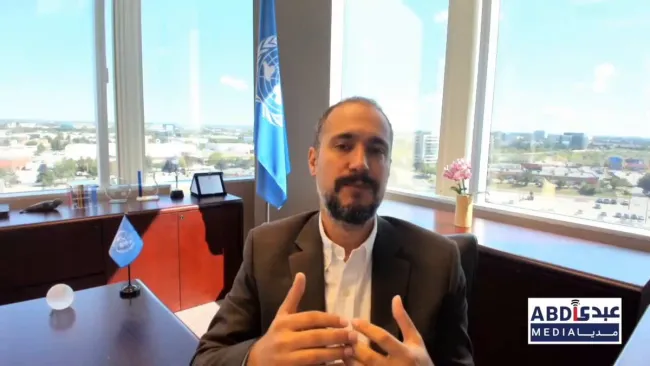
Kaveh Madani: Today you can't eliminate Iran's water status without saving the economy
The same disaster has come to our natural infrastructure on engineering infrastructure
Read more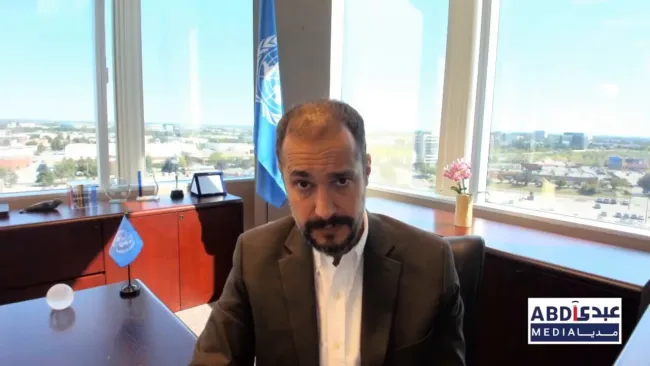
Kaveh Madani: When the economy enters the resistance phase, you want to resist survival!
You must first employ the rural community in the service or industry sector
Read more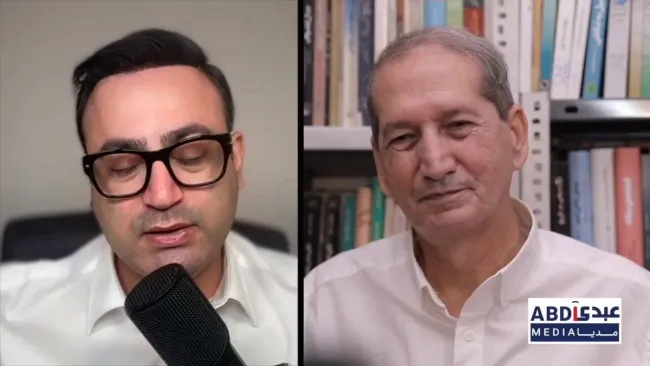
Hatam Ghaderi: I think the possibility of bin sterism in Iran is now very weak
If [Mr. Khamenei's succession] had been done earlier
Read more
Kaveh Madani: Tehran's water may last until October and we won't see Day Zero
The only thing a ruler can do now is to create transparency and trust.
Read more
Kaveh Madani: You sweeten the water and take it to Mashhad, but the people of Sistan and Baluchistan are thirsty
Our issues are not of technological and engineering issues
Read more
Hatam Ghaderi: The rulers of the Islamic Republic no longer have authority; Even among themselves!
Mr. Khamenei's political death - or in the sense of current political rulers of the Islamic Republic - has occurred
Read more
Kaveh Madani: Everything we see is from bad management!
Our problem, by the way, is over-reliance on technology.
Read more![کاوه مدنی: مسئلهی ما میزان فراوانی [آب] نیست؛ مسئله ما تصمیمگیری بد است](/sites/default/files/styles/max_650x650/public/1404-06/madani_2.png.webp?itok=oagGNL1U)
Kaveh Madani: Our problem is not the abundance [of water]; our problem is bad decision-making
When you can create drought in Golestan and Mazandaran, you know that the problem is not inherent in the water.
Read more
Kaveh Madani: Water scarcity in Iran is nothing new
With bad management, not looking at our development restrictions and model of development
Read more
Hatem Qaderi: Whatever government comes now, it will take years to fix our infrastructure
Depression has become a national disease!
Read more
Kaveh Madani: Iran's agriculture has nothing to say in terms of economic returns
The rulers of the oil countries may have believed that - and some still have
Read more
Kaveh Madani: Iran Bankruptcy is a product of unstable development
The crowd to several specific metropolises created many problems in the long run
Read more
Hatem Qaderi: I also believe that Mr. Reza Pahlavi is not a dictator; but will others allow him not to be?!
There is a possibility of returning the monarchy to Iran; But will not continue
Read more
Hatem Qaderi: I do not consider Mr. Pezeshkian's arrival to be one of Mr. Khamenei's artistic endeavors.
What Mr. Khamenei wanted was something that happened in 2022.
Read more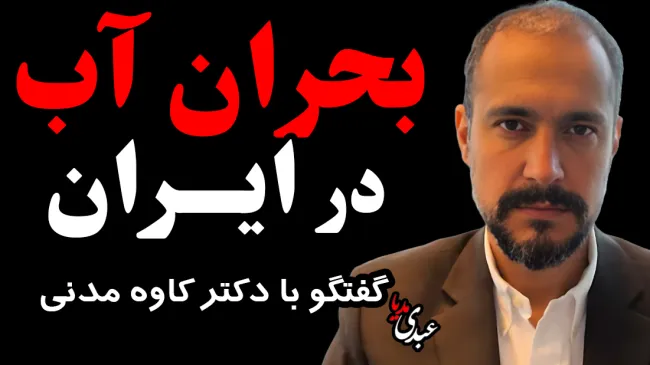
The Water Crisis in Iran; A candid conversation with Dr. Kaveh Madani, Director of the Institute for Water, Environment and Health at the United Nations University
Read more
Society and Religion in Future Governance; with the presence of Fazel Meybodi
Dr. Fazel Meybodi, with a critical view of the role of jurisprudence in contemporary Iranian governance, challenged the relation between traditional jurisprudence and social and technological developments, and emphasized that traditional jurisprudence and clergy are not only responsive to today's needs, but also imposing their formal readings, even in the form of formal jurisprudence.
Read more![حاتم قادری: [رضا پهلوی] نه چکمهی رضاخان را دارد و نه چکمهی رضاخان میتواند در ایران حکومت کند](/sites/default/files/styles/max_650x650/public/1404-06/ghaderi_12.png.webp?itok=6ImXAioi)
Hatam Ghaderi: [Reza Pahlavi] Neither has Reza Khan's boots nor Reza Khan's boots can rule in Iran
I think Mr. Reza Pahlavi says at the bottom of his heart, "Let us make our lives!"
Read more
Hatam Ghaderi: Mr. Reza Pahlavi wants to be a king or a sultan?!
The things that are asked are not the kingdom
Read more
Hatam Ghaderi: Biosaa no longer responds to us
My point is to find some - with specific competences, to give them power
Read more
Hatam Ghaderi: Our velayat-based life has not changed at all; however, we have undergone serious changes.
There will be no force that can bring the current plurality of society under control.
Read more
Hatem Ghaderi: Neither the Reza Shah model nor the Mohammad Reza Shah model can return to Iran
In a monarchy, the king is expected to rule.
Read more
NikAhang Kowsar: The structure of water management in our country has not been democratic.
The dominant discourse of the Ministry of Energy and the Mafia of the Water, the construction of more dams
Read more
Iran after the war from referendum to the reaction of the system; Abdi Media's exclusive conversation with Ali Jannati
Three years after the revolution, the Islamic Republic of Iran has formed the path of Iranian society, and today a significant portion of the people are unhappy with this method of governance; Dissatisfaction that has been reflected in various ways in both the streets and gatherings and in articles and writings. Now the fundamental question is, does this nation still be able to give birth?
Read more
Future governance and new technologies with the presence of the Shahin Sharghi
When officials themselves are critical of the system and the government does not really exist, from the danger of human technology and slavery by machines to the crisis of power such as electricity and livelihoods, everyone shows that awareness and education are the only way to save.
Read more
Hatam Ghaderi: We thought we bid farewell to the reign of the year; But we continued to reproduce the same discourse
In the Islamic Republic, we concentrated all power and gave it to one person
Read more
Hatam Ghaderi: Philosophy, religion and government system in Iran have a common form
In Iran, the king could have deprived us of the personal yogurt and give it to another
Read more
Hatam Qaderi: In the Constitutional Revolution, it was assumed that they could take control of power.
This matter, just like the republic, did not take flight; because it was unfamiliar to the mental framework of us Iranians.
Read more
Hatam Ghaderi: Some new studies show that human beings have not been seeking a government from the beginning
The modern era has repeatedly questioned the monarchy
Read more
Hatam Ghaderi: I believe that the discourse that the monarchy had in Iran was reproduced again in 1979.
The monarchy and religion were two arms that could have the Iranian components in their support and representation.
Read more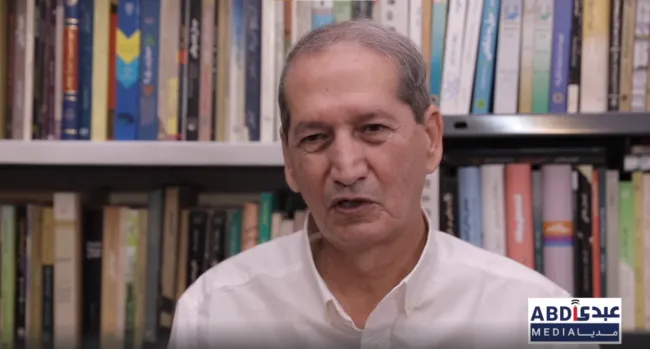
Hatem Qaderi: The monarchy was - in a sense - a system that was intertwined with our culture, temperament, and semantic horizon.
The monarchy is one of the two bio -eternity
Read more
The Future of the Monarchy in Iran: A Frank Conversation with Dr. Hatem Ghaderi, Professor of Political Science at the University of Tehran
Read more
Nikahang Kowsar: If some of our agricultural areas are rainfed, we can hope to solve some of the problems
Even the trigger mechanism should not be ignored in water management
Read more
Nick Ahang Kowsar: Why should we plant rice in Isfahan?!
Instead of structural solutions, we need to come up with nature -oriented solutions
Read more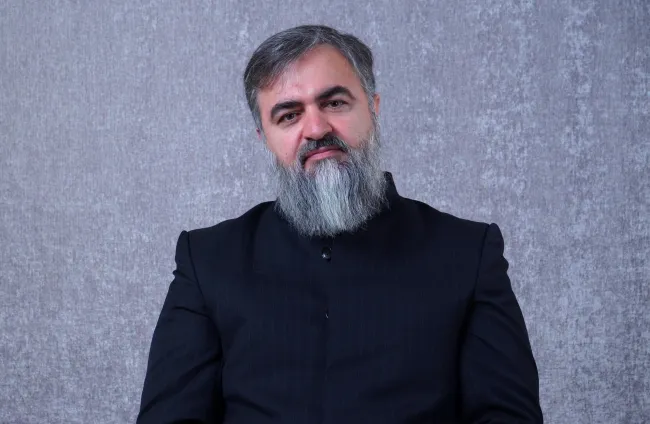
The first conversation with Mohammad Taqi Akbarnejad after removing the turban / From the details of the verdict to frank talk with the regime
In an age where truth no longer requires torture but is suffocated by labels, boundaries have shifted; lies don the cloak of piety and faith is seated in the chair of accusation. In such a world, the question arises: who should defend religion—clergy or the people, rulers or protesters?
Read more
The political future of Iran and the referendum, with the presence of Mohammad Hadi Jafarpour, legal scholar
Iran, in the midst of complex crises, faces once again a decisive question: change or continuity? The statement by Mir Hossein Mousavi and the referendum proposal by intellectuals have revived a serious debate about the country's political future; can the Constituent Assembly open a path to freedom or will it become a new ground for despotism?
Read more
If I was a spy; I was a spy on the Iranian people in the body of the Islamic Republic
Explicit interview with Dr. Kaveh Madani, Head of the Institute of Water, Environment and Health of the United Nations University
Read more
Water crisis in Iran
A candid conversation with Dr. Kaveh Madani, Director of the Institute for Water, Environment and Health at the United Nations University
Read more
Nik Ahang Kowsar: We cannot solve problems without changing the structure of water management and demographic consumption management
We protest if we want to get daily consumption in Tehran
Read more
Nik Ahang Kowsar: With the current rainfall we can also collect 2 billion cubic meters of water annually
We have bankruptcy and breakthrough!
Read more
Nik Ahang Kowsar: Khatam al -Anbia base brings to smaller companies to eliminate the impact of sanctions
I wrote about the destructive role of Mahab Quds Company and Astan Quds Razavi complained to me!
Read more
Ali Jannati: Our younger generation is worried or frustrated about the future
This generation will not shine the status quo
Read more
Nik Ahang Kowsar: With the construction of Karun 2 Dam, about 10,000 people were forced to migrate
I consider the fault of much of the country's unstable development on the press.
Read more
Nik Ahang Kowsar: Watershed boundaries have nothing to do with political boundaries
Our heads of our country do not consider people except the figures during the election
Read more
The future of monarchy in Iran: a candid conversation with Dr. Hatam Ghaderi, professor of political science at the university.
Monday at 13:00 Tehran time
Read more
Nik Ahang Khosravi: Water is recognized as a human right.
In Iran, water theft occurs from one region to another.
Read more
Ali Jannati: To cross the current stage we need to have a new strategy
Some scholars and politicians have a plan for the future of the country
Read more
Nik Ahang Kausar: Before building a dam, we must evaluate the water resources of that basin
The dams built in Iran contributed to our bankruptcy!
Read more
Nik Ahang Kausar: My father ran away from working at the Ministry of Agriculture!
In November , my father suggested that instead of focusing on dam construction, we strengthen our groundwater aquifers.
Read more
Ali Jannati: The issue of relations with the United States can be put to a referendum
Should we have paid this much for nuclear fuel over the years?!
Read more
Nik Ahang Kausar: We are leading the country towards destruction with both hands
We had a Karizi civilization more than 3,000 years ago.
Read more
Watch | Iran's critical situation during water bankruptcy with Nik Ahang Kowsar, journalist and analyst in the field of water and environment
Read moreMost Read
Popular reads across Abdi Media
