
Politics

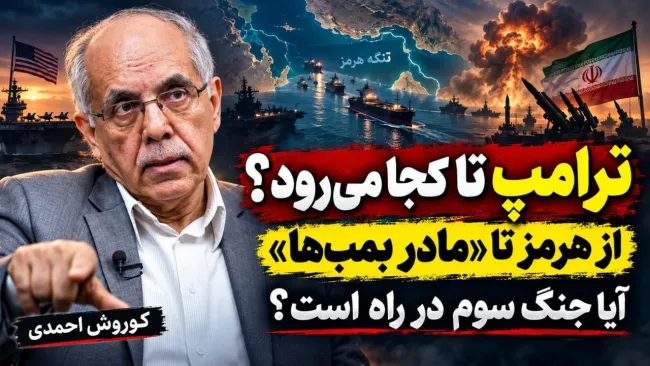

Twitter replies on October 17
Read more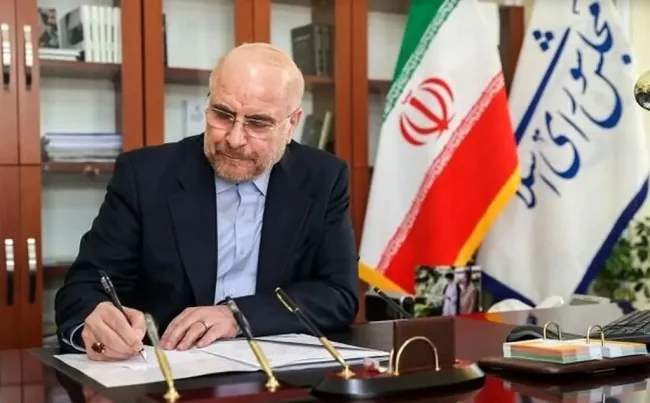
Ghalibaf: Amending the regulations on combating terrorist financing is illegal
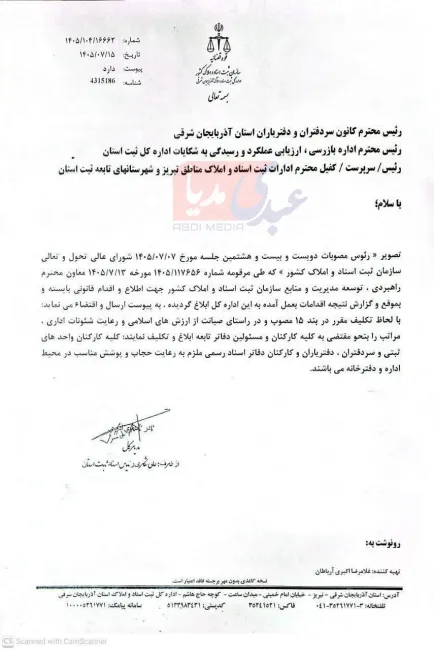
After the government proceeded to approve the amendment to the executive regulations on targeted financial action without regard to the powers of the Supreme National Security Council
Read more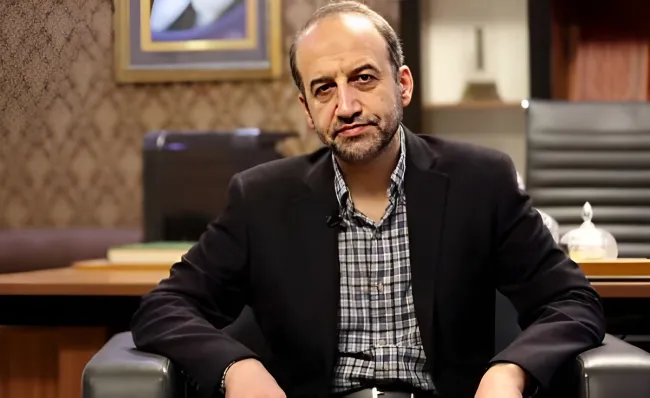
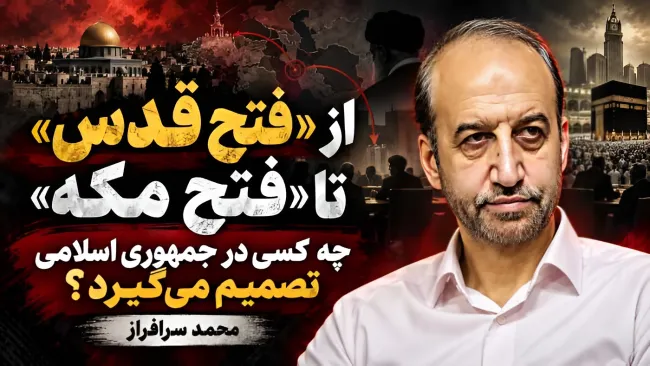
A conversation with Mohammad Sarafraz, former head of the Islamic Republic of Iran Broadcasting (IRIB) and member of the Supreme Council of Cyberspace.
Soon on the Abdi Media YouTube channel.
Read moreTwitter responses on October 15
Read more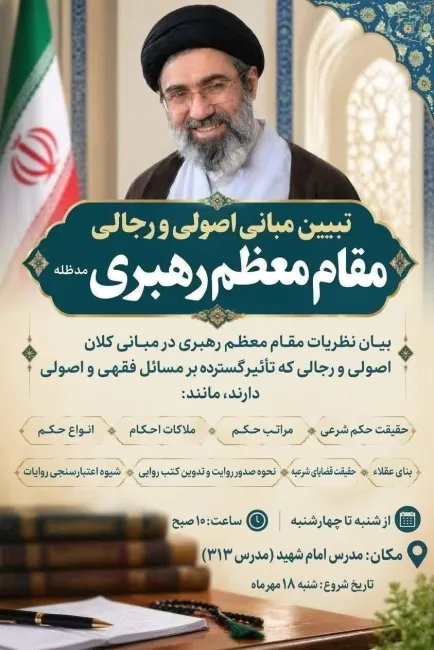
Following the conference, the fundamental principles and hadith narrator studies of the third leader of the Islamic Republic are now being taught in Qom, alongside the works and views of the second leader of the Islamic Republic.
One of the members of the Assembly of Experts also declared Seyyed Mojtaba Khamenei qualified to be followed as a source of emulation
Read moreTwitter replies of October 12
Read more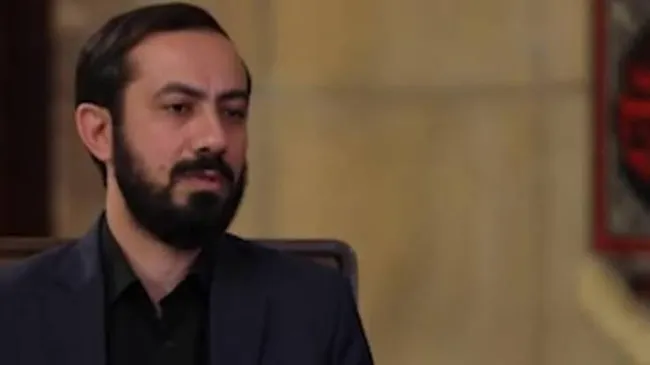
Mehdi Mojahed's account of the influential forces within the IRGC Intelligence Organization and the former deputy of the Chief Justice's office and the President's office regarding exchanges between the Islamic Republic and the United States
Read more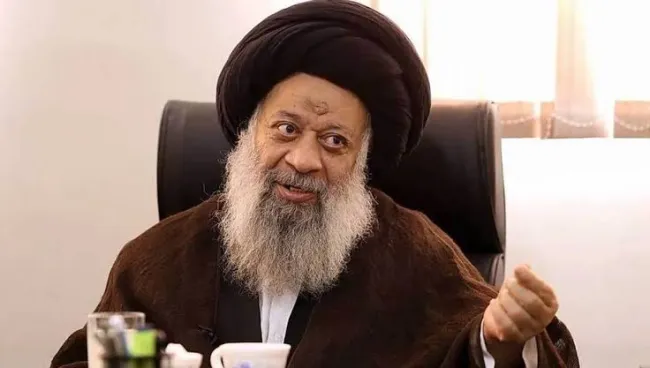
This claim by Seyyed Mohammad Ali Mousavi Jazayeri, member of the Assembly of Experts and director of the seminaries of Khuzestan, was denied by the office of the third leader of the Islamic Republic, and this clip was also removed from some accounts that
Read moreTwitter replies on October 11
Read more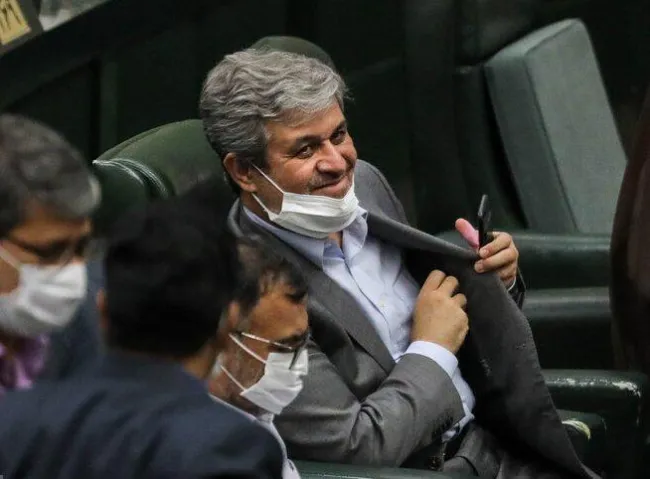
Details of the incident involving the armed threat by Gholamreza Tajgardoon
The news received by Abdi Media indicates that yesterday, after the visit of Haj Gholam, the representative of Gachasaran and Bashet in the Islamic Council.
Read moreTwitter responses on October 6
Read more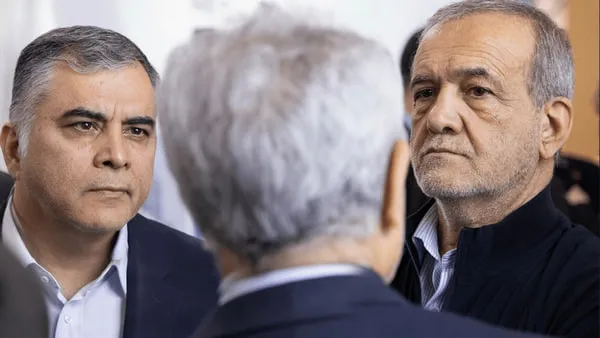
The President, by decree, appointed former Oil Minister Paknejad as his adviser.
Read more
Interviews by Iranian nationals with “hostile media outlets” have been banned.
Members of the Islamic Consultative Assembly approved Article 22 of the bill on countering foreign influence.
Read more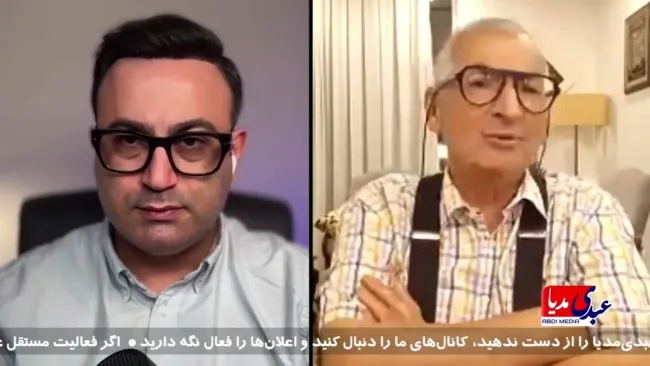
Sadegh Zibakalam: I do not believe in something called "Iranian-ness"
I believe in things like the political, social, intellectual, and cultural forces that shape society.
Read more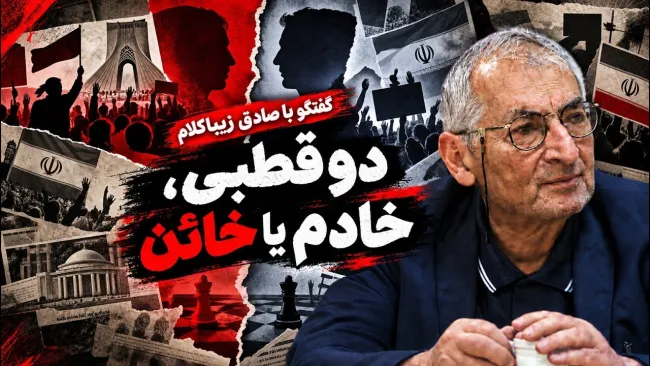
Sadegh Zibakalam: Basically, our view of the past is that we must put people on trial; we say people are either servants or traitors!
We pass judgment so easily; this has become our humanities!
Read more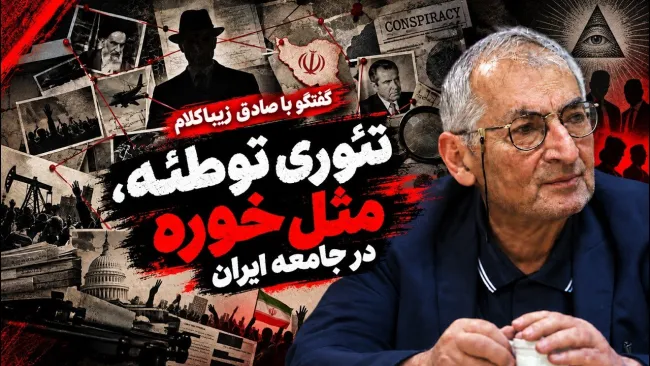
Sadegh Zibakalam: On the one hand, you are faced with a government that says, “Woman, Life, Freedom is a foreign theory”; and on the other hand, you are dealing with a student who says "this time, it’s really over"
Conspiracy theory has eaten away at Iranian society like a canker!
Read more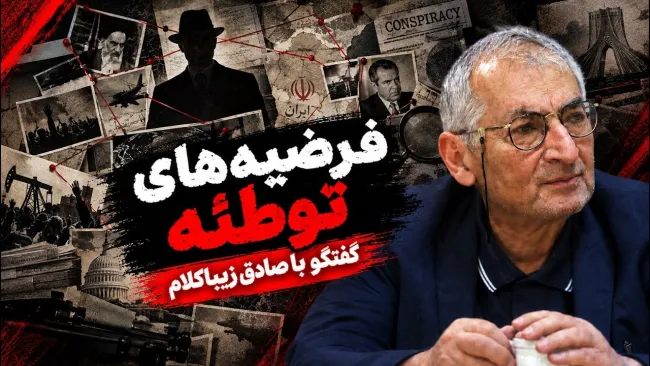
Sadegh Zibakalam: One of the factors behind the underdevelopment of the humanities is the prevalence of conspiracy theories
In 1401, students would tell me, “Professor, don’t be afraid, come out into the streets with us”; this was said by a political science student at the University of Tehran.
Read more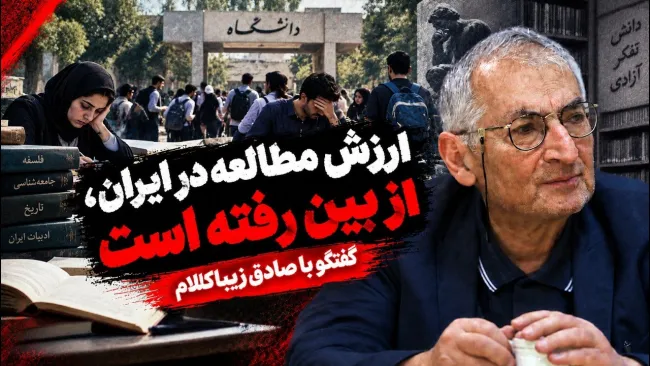
Sadegh Zibakalam: If you get accepted to study social sciences at the University of Tehran, what do you want to do? Later, perhaps if you are a member of a martyr’s family or among the self-sacrificers, you might finally become a teacher!
Studying and reading are no longer worthwhile now.
Read more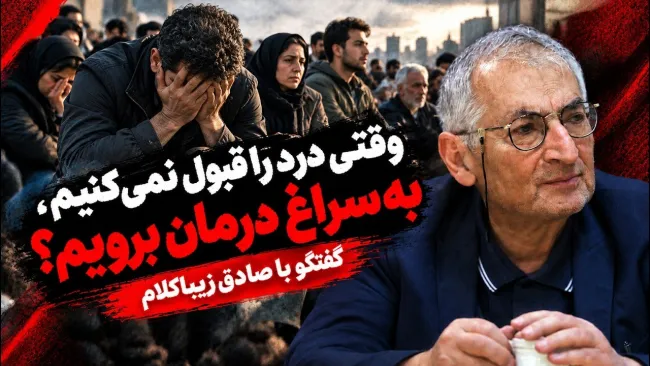
Sadegh Zibakalam: The first step is to acknowledge our backwardness in the humanities.
Blaming sanctions and inflation and so on is more of an excuse; we should first ask ourselves whether we accept the premise of the problem?
Read more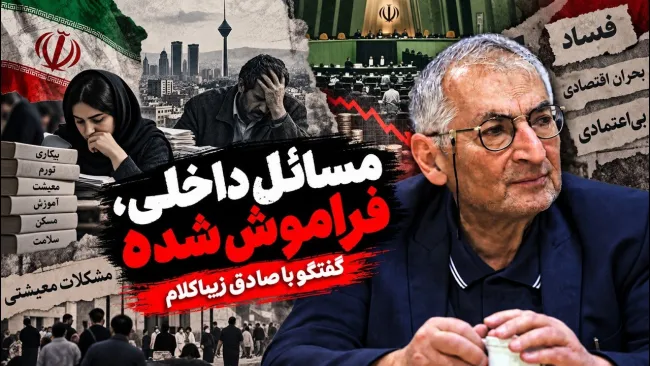
Sadegh Zibakalam: We weren't even capable of studying the phenomena and developments in our own country!
Can't you find an Iranian researcher who has worked on America, Japan, and World War II
Read moreMost Read
Popular reads across Abdi Media