
Abdimedia Youtube


Hossein Kanani Moghaddam, Secretary-General of Iran's Green Party: If you want to implement shock therapy, the people will undoubtedly take to the streets.
We are engaged in a hybrid war.
Read more
Hossein Kanani Moghaddam, Secretary-General of Iran's Green Party: We are moving toward ending the war with a "final battle."
The Americans are stuck in the quagmire of the Strait of Hormuz.
Read more
Hossein Kanani Moghaddam, Secretary-General of Iran's Green Party: The reason people respond to the voice of the opposition is that their problems are not solved internally.
The Americans believed that if we do not create an alternative against the Islamic Republic, we cannot overthrow it.
Read more
Hossein Kanani Moghaddam, Secretary-General of Iran's Green Party: Unless we confront systematic corruption, we cannot think about economic improvement.
We are suffering from economic black holes.
Read more
Hossein Kanani Moghaddam: We are suffering from "economic diabetes"
We didn't have any luck with the opposition either!
Read more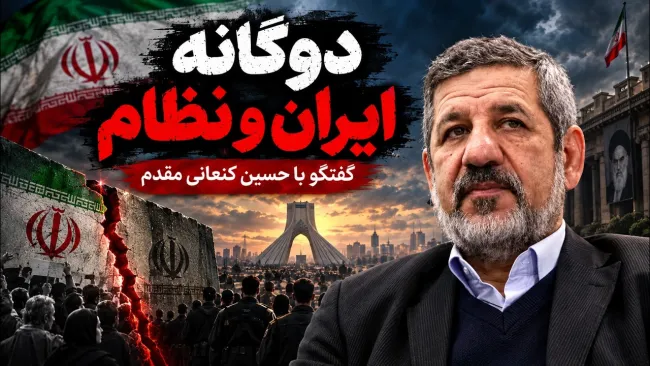
Hossein Kanani Moghaddam, Secretary-General of Iran's Green Party: I do not accept the "Iran vs. the system" dichotomy; a system based on democracy, the stronger it is, the stronger Iran will be.
War conditions naturally impose certain restrictions on society.
Read more
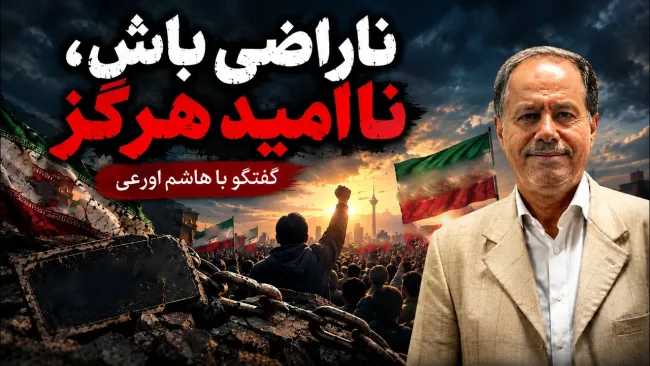
Seyyed Hashem Oraei: Our generation was not a good trustee; we are not handing over the country to the next generation as well as we received it.
We have the right to be dissatisfied with the country's situation, but we do not have the right to be hopeless.
Read more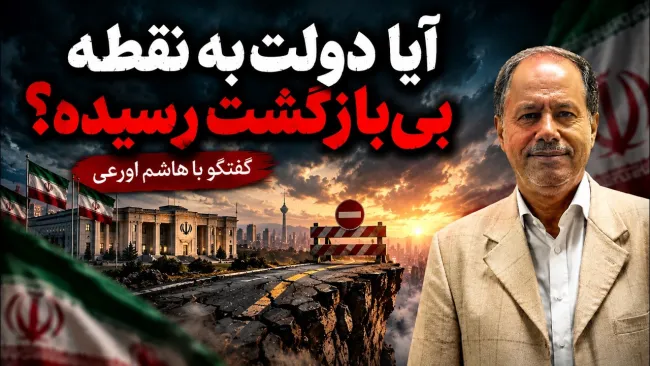
Seyyed Hashem Oraei: The government has not reached the point of no return; the important thing is to find the right path.
The country's management system is not based on meritocracy, and we must take a serious look at the energy management system.
Read more
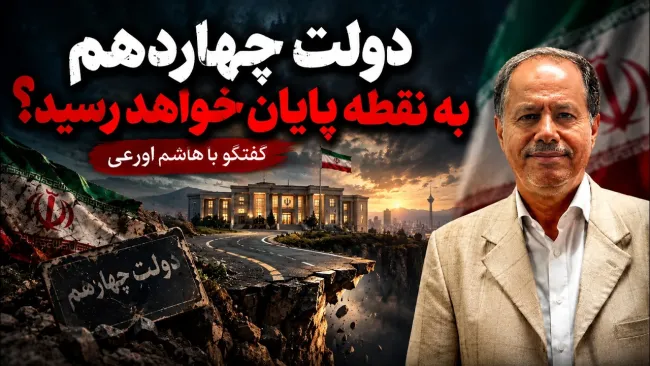
Seyyed Hashem Oraei: Energy has the capacity to not only prevent the 14th government from reaching the 15th, but even to prevent it from completing its own term.
If the 14th government can change the trend, it can remain in the 15th government as well.
Read more
Seyyed Hashem Oraei: Nuclear energy has been entirely a loss for us.
The decision to pursue a nuclear program was not one we made ourselves; it was made for us!
Read more
Seyyed Hashem Oraei: If a serious disruption occurs in energy supply, there is a possibility of social unrest.
Price reform alone will not solve our problems.
Read more
Seyyed Hashem Oraei: I am very worried about gas facilities. We have no storage capacity, and imports are also problematic.
For years, we have not even invested as much as the depreciation of the infrastructure.
Read more
Has the war atmosphere helped the government manage the crisis?
Seyyed Hashem Oraei: The war has intensified the issue somewhat, but the energy problem was not created with the start of the war, nor will it end with the war's conclusion.
Read more
What part of the imbalance is affected by the "war"?
We have not suffered much damage in electricity; we are using the war as a justification for the blackouts.
Read more
Have the relations between Masoud Pezeshkian and his government with the third leader and his household been transformed due to the energy crisis?
Seyyed Hashem Oraei: The current situation is a good opportunity for the government.
Read more
Seyyed Hashem Oraei: Lobbying has framed the issue in such a way that if gasoline doubles, inflation will also double!
The Fourteenth Government's announcement of the new gasoline price was already consumed by inflation!
Read more
Seyyed Hashem Oraei: If we can achieve empathy and harmony with the majority of society, we can endure; we are not on such a path!
It is a custom in our country to say that the people are to blame for many of the mismanagements and problems.
Read more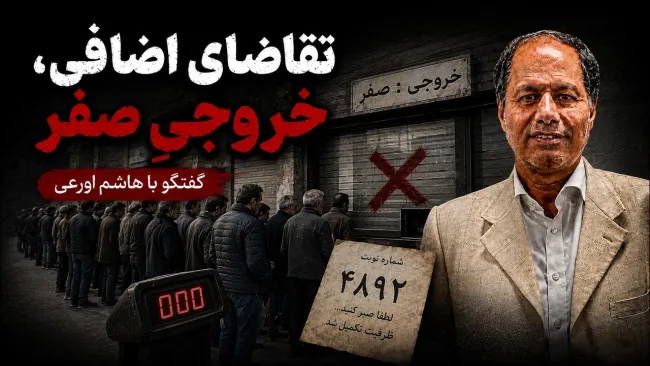
Seyyed Hashem Oraei: If we go down this path a hundred times, we will end up in the same place.
The only wonder is why everyone is surprised that we ended up here!
Read more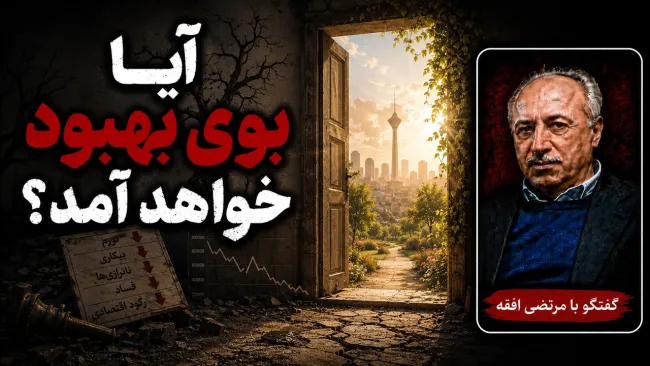
Seyyed Morteza Afghah: The war or America's retreat should not create pride and cause us to repeat the past misguided policies.
If it is felt that misguided policies—especially in the economic, social, and cultural spheres—are being reformed, a scent of improvement will arise.
Read more
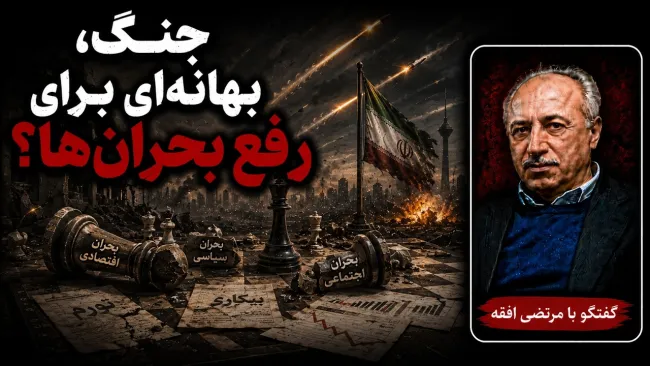
Seyyed Morteza Afghah: The war became an excuse to resolve crises in the short term.
Many individuals inside the country who participated in the tensions have come to understand many of the realities, which has removed the basis for their protests from that political logic.
Read more
Most Read
Popular reads across Abdi Media