Mehrdad Khansari
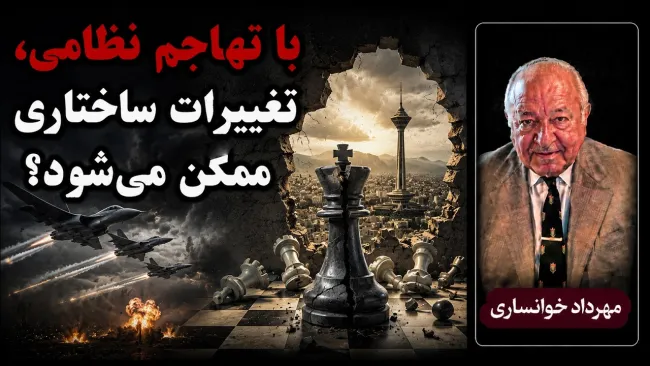
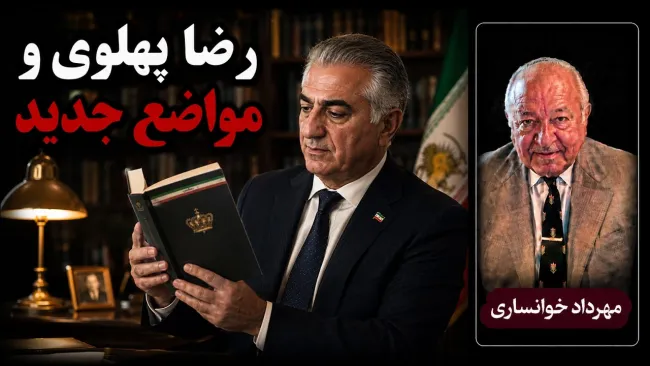
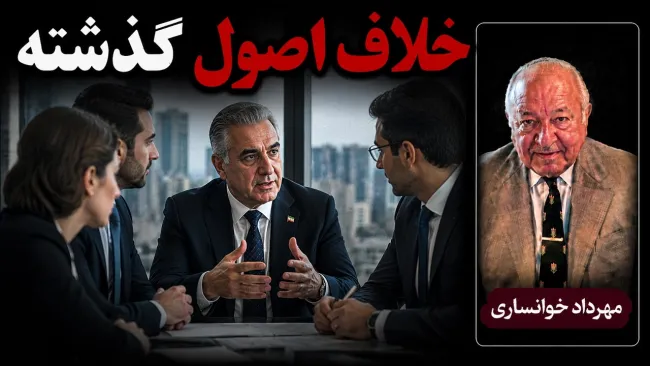
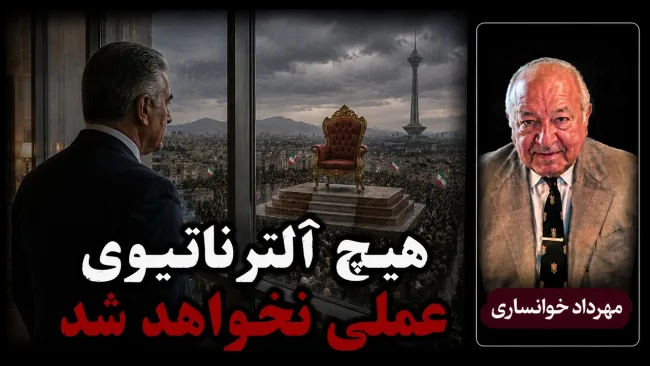
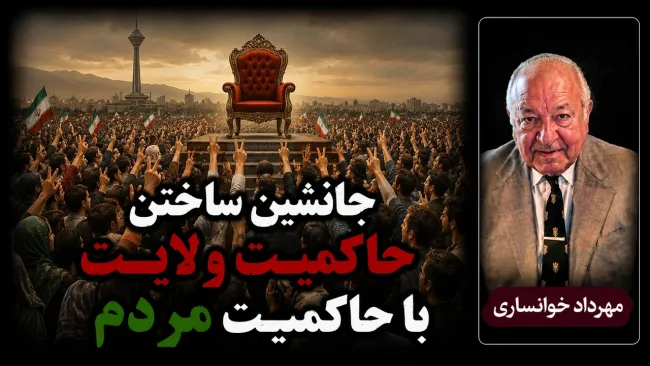
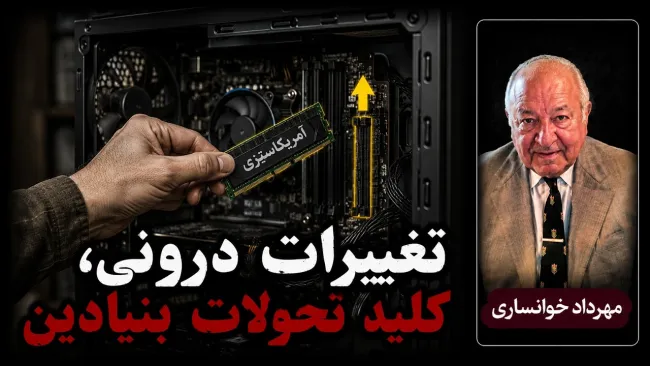
Mehrdad Khansari: Those who came with Khomeini and seized power diminished over time, and only 15-20 percent of them remain.
All the levers of power are in the hands of this 15-20 percent, and they run the country.
Read more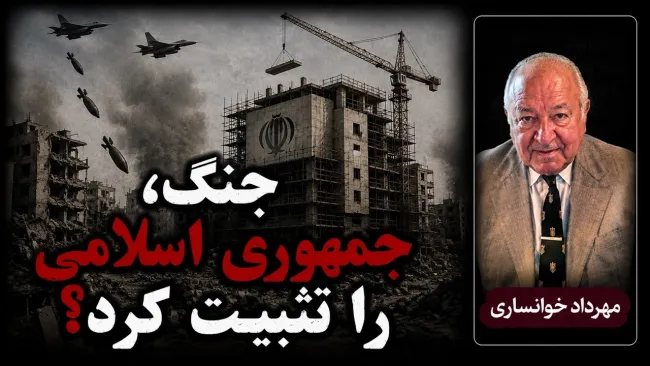
Mehrdad Khansari: In a situation that is neither war nor peace, the Islamic Republic is not more unstable.
Neither the Islamic Republic nor the US government wants to return to the battlefield.
Read more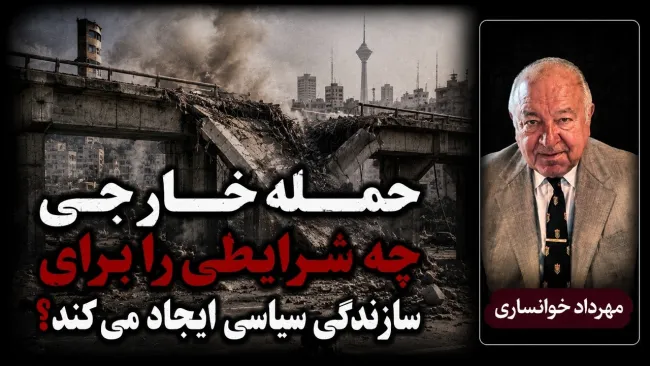
Mehrdad Khansari: A foreign attack harms the work of constructive political forces and creates conditions where many people, for national reasons, stand behind the system.
The attack on Iran was against international law.
Read more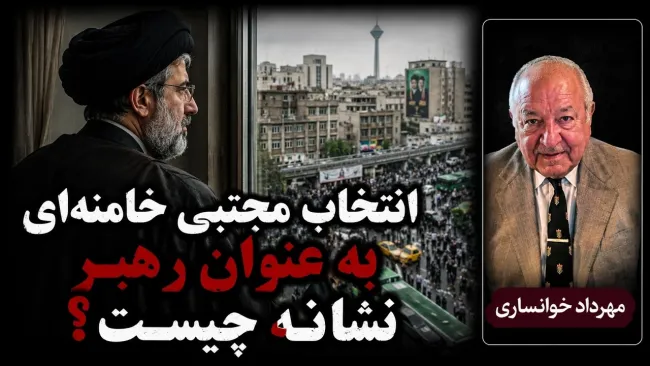
The selection of Mojtaba Khamenei as the leader of the Islamic Republic: what does it signify? An exclusive conversation with Mehrdad Khansari.
Mehrdad Khansari: The removal (or sidelining) of Ayatollah Khamenei has created a situation in which, if our nation is vigilant...
Read more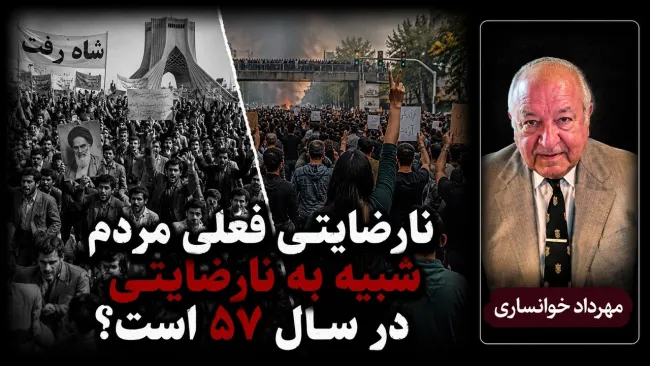
Is the current dissatisfaction of the people similar to the dissatisfaction of the people in 1979?
Mehrdad Khansari: The nature of the current dissatisfaction of the people is different from the past.
Read more
Mehrdad Khansari: The cause of the Shah's downfall was the dissatisfaction of the people.
The people wanted more political freedom, which was not available at that time.
Read more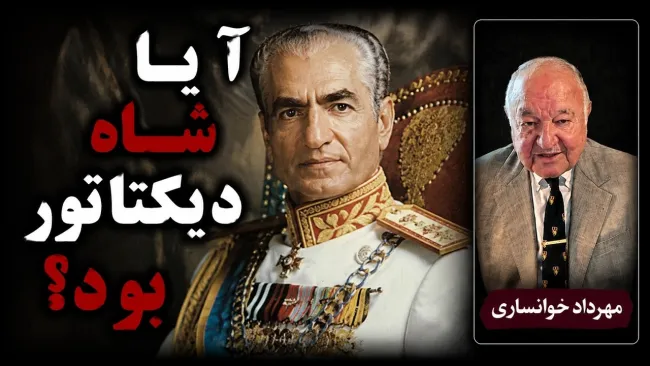
Mehrdad Khansari: The Shah was a dictator politically, but he was not a brutal dictator.
The Shah intervened in two areas: matters related to foreign policy and military matters and the defense of the country.
Read more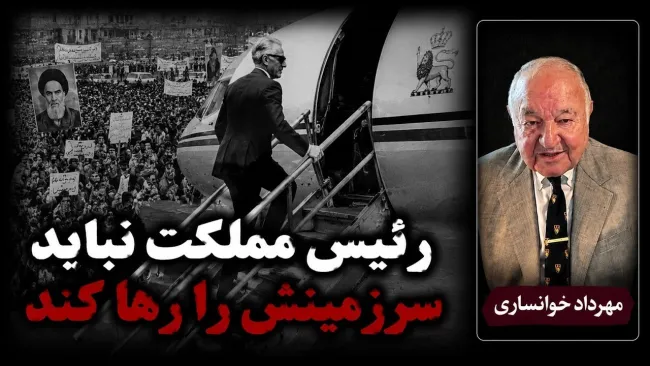
Mehrdad Khansari: One of the differences between the rule of the Shah and the current rule is that the head of the country should not abandon his land.
During the time of the Shah, dissatisfaction could be curbed by providing financial facilities to the people.
Read more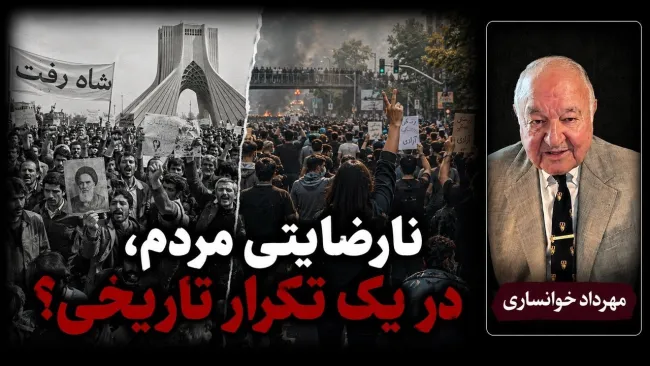
Is public dissatisfaction with the government a "historical repetition"? Exclusive interview with Mehrdad Khansari
Mehrdad Khansari: Our country, at the time when Mohammad Reza Shah came to the throne, was a poor country.
Read more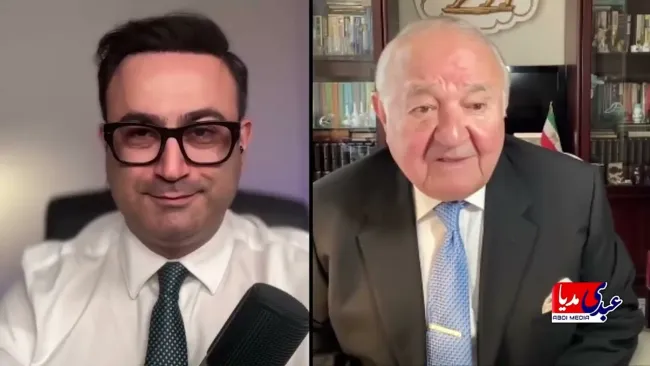
What is the biggest weakness of the Islamic Republic? Exclusive interview with Mehrdad Khansari
Mehrdad Khansari: The biggest weakness of the Islamic Republic is the lack of development and the creation of public dissatisfaction.
Read more
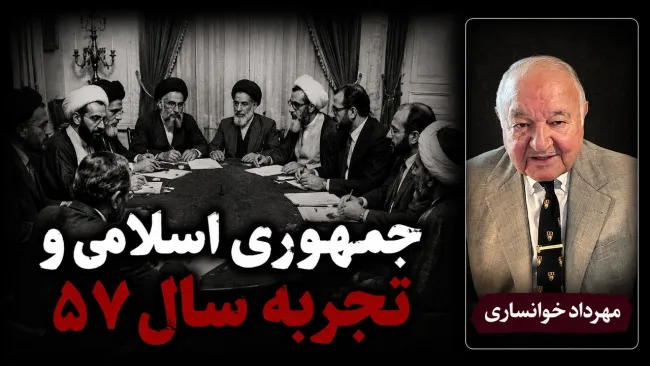
The Islamic Republic has made extensive use of the experiences of "1957".
The skill he had in construction, he did not have in "crisis management".
Read more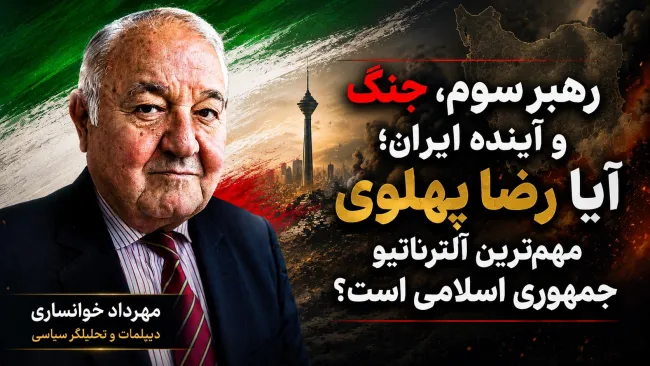
Watch | The Third Leader, War, and the Future of Iran; Is Reza Pahlavi the most important alternative to the Islamic Republic? In a conversation with Mehrdad Khansari, former diplomat and political analyst.
History is a testing ground for power, and in this testing ground, nations have repeatedly faced similar questions: when a political system enters a phase of erosion, or when for many it becomes conditional and reform is no longer enough, and for many the question arises as to when the survival of a government becomes its greatest issue, and more importantly, for many the question arises as to when the future separates from the past. Today, Iran is in one of the most sensitive periods of its contemporary history: the American and Israeli attack and the war that has changed the equations of the region, the killing of the second leader of the Islamic Republic, the emergence of the third leader of the Islamic Republic, changes in the balance of power within the establishment, the increasing role of security and military institutions, the intensification of political rifts, the current negotiations with the United States, and simultaneously, the return of the discussion of alternatives to the center of attention, and the return to a question that has loomed over Iranian politics for decades: Will the Islamic Republic pass through this historical turning point? If not, how will Iran's future be shaped?
Read more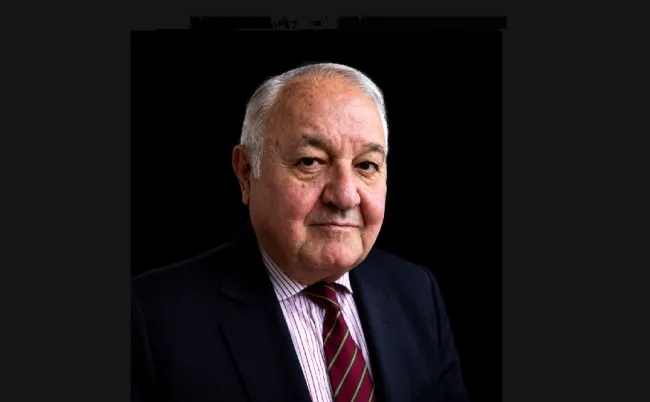
Listen | The Third Leader, War, and the Future of Iran; Is Reza Pahlavi the most important alternative to the Islamic Republic? In a conversation with Mehrdad Khansari, former diplomat and political analyst
Listen without filter on Abdi Media Castbox
Read moreWatch | The Third Leader, War, and the Future of Iran; Is Reza Pahlavi the most important alternative to the Islamic Republic? In a conversation with Mehrdad Khansari, former diplomat and political analyst.
Watch on the Abdi Media YouTube channel.
Read moreMost Read
Popular reads across Abdi Media