
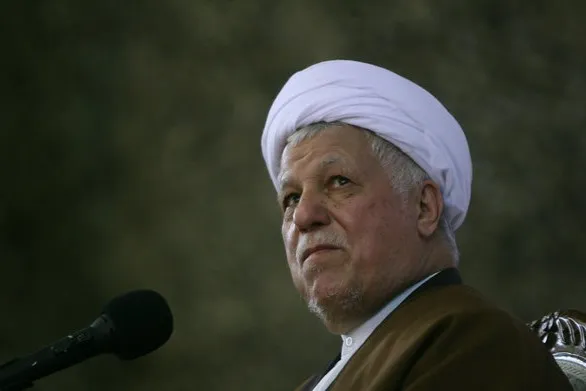
We had an open session, and the general principles of the controversial bill on removing "Imperial Decree" (Farman-e Homayouni)—which the liberals have needlessly interpreted as eliminating the President—were approved, and we got held up on its details.
We had an open session, and the general principles of the controversial bill on removing "Imperial Decree" (Farman-e Homayouni)—which the liberals have needlessly interpreted as eliminating the President—were approved, and we got held up on its details.
At noon, a representative from the Abadan IRGC (Sepah) came and described the situation there as good, but complained about the shortage of ambulances. We could not find Haj Mohsen Rafiqdoost, head of logistics for the IRGC. A few days ago he had promised to supply ambulances, but has not acted on it. He is quick to promise and is positive.
Early in the evening, I had an interview with Dutch television. Most of its questions revolved around freedom, dictatorship, and Iran's internal disputes. The Iranian artists accompanying them complained about housing conditions and high prices. Something must be done; high prices are causing problems for the people and the Revolution, and everyone is waiting for the housing bill. May God grant that it turns out well.
In the afternoon, people came from the Scientific Research Organization and reported document forgery by the President through signing an addendum to the Revolutionary Council law—without raising it in the Council—which made the organization subordinate to the Presidential Office; they also complained about their efforts to establish the liberals' line in the organization. They reported the looting of government employees' documents and files by the purging committee of the Presidential Office. His [the President's] brother has been arrested on this exact charge, and many things are being uncovered.
At night, we had a meeting of Tehran's parliamentary representatives at Mr. Hadi Ghafari's home; with the Mayor of Tehran present, discussions were held regarding limiting Tehran's expansion, establishing a cemetery, and relocating the landowners of Siah Dashtak whom the Revolutionary Council had granted land to.
Take less than a minute, register and share your opinion under this post.
Insulting or inciting messages will be deleted.
Sign Up