
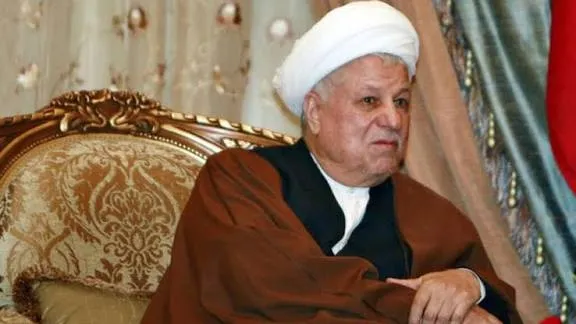
At eight-thirty in the morning, together with Mr. Khamenei, we went to visit the Imam. In the Imam's office, we met Dr. [Ebrahim] Yazdi and the governors-general of Ilam and Hamadan.
At eight-thirty in the morning, together with Mr. Khamenei, we went to visit the Imam. In the Imam's office, we met Dr. [Ebrahim] Yazdi and the governors-general of Ilam and Hamadan. During [our] audience with the Imam, I presented the Khuzestan report and asked the Imam to pay closer attention to [his] responsibility as Commander-in-Chief, complaining about the inactivity at the fronts—which has frustrated our forces—and the fact that the military (Artesh) in Abadan is not being given 175mm artillery guns so they can retaliate against attacks on cities.
I asked the Imam for help regarding a solution in Parliament to resolve issues concerning land, trade, industry, etc.; he did not offer effective guidance.
Mr. Khamenei, noting that according to the law he could not exercise effective supervision over the military (Artesh), disclaimed responsibility and asked the Imam to personally pay closer attention to directing the war and the military (Artesh). The Imam asked him to provide sufficient information so that he could make the appropriate decision. Mr. Khamenei once again pointed out the harm caused by the dismissal of Colonel [Sayyad] Shirazi, but the Imam considered the matter unimportant.
Mr. [Fakhraddin] Hijazi and the son of the director of Fiat from Italy—who has converted to Islam—came to visit the Imam and raised points regarding the needs of Islamic students abroad.
Then I had some conversations with Ahmad Aqa. Ahmad Aqa wanted to understand what we would ultimately do with Mr. Bani-Sadr. I said that if he is content to be a president within the limits of the Constitution and does not misuse the office of the presidency against constitutional bodies, we can tolerate him; our overall policy is to move in the direction of Islam, and anyone who possesses Islamic qualifications can be our colleague. He was concerned that revolutionary forces were pessimistic about him. I said it was necessary for them to take a clear stance.
On the way back from the Imam's house to Parliament, we were accompanied by Mr. [Mahmoud] Do'a'i. He spoke of the financial problems of the Ettela'at newspaper; they plan to add five rials to the price.
The new Palestinian ambassador came to Parliament for a meeting and suggested greater cooperation with us. I asked him to act more revolutionarily and not to compromise with reaction. He was fearful about the situation in southern Lebanon.
Take less than a minute, register and share your opinion under this post.
Insulting or inciting messages will be deleted.
Sign Up