
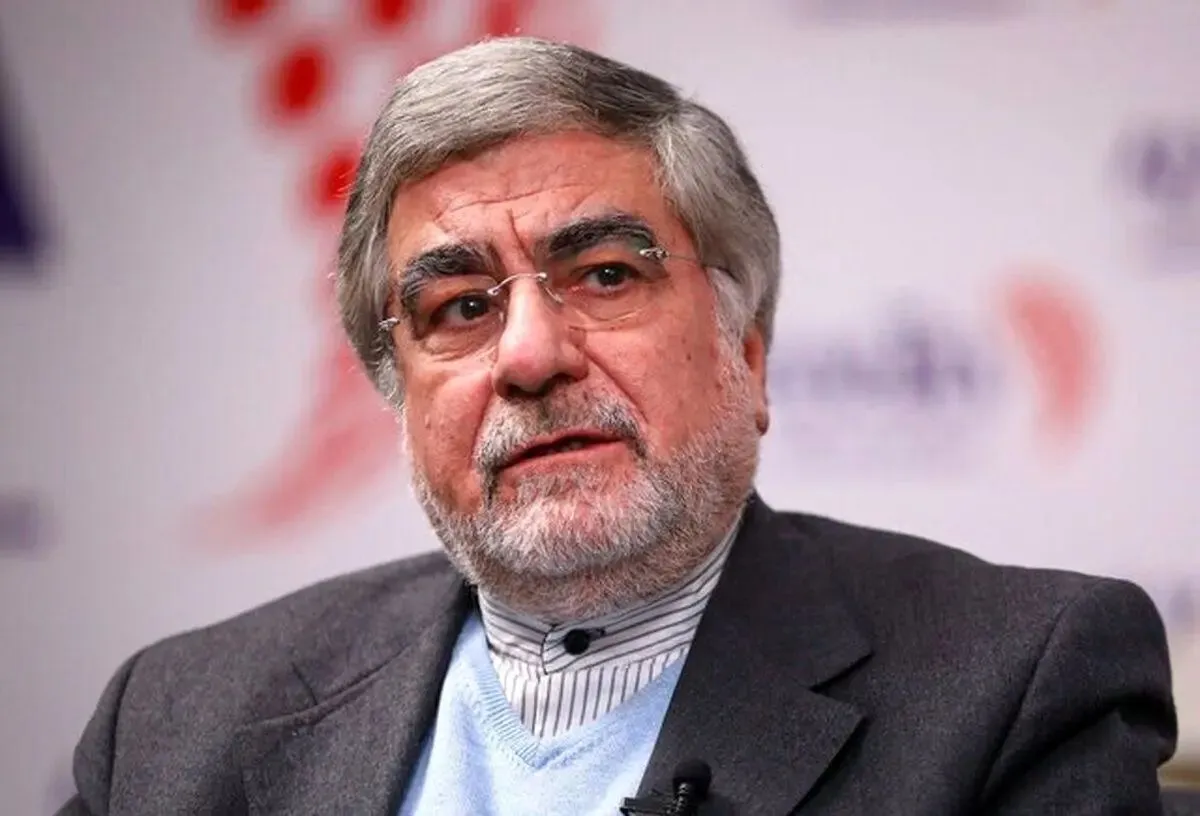
Ali Jannati, a moderate politician and prominent Iranian diplomat, is the former Minister of Culture and Islamic Guidance in Hassan Rouhani’s eleventh government (2013–2016), the former Iranian ambassador to Kuwait in two periods totaling 11 years, the former governor of Khuzestan (1983–1987) and Khorasan (1989–1992), and the eldest son of Ayatollah Ahmad Jannati (Secretary of the Guardian Council). He ranks among the most high-profile and distinctive combined clerical-diplomatic-executive moderate figures of post-revolutionary Iran over the past five decades. Backed by ten years of seminary education at Haqqani School in Qom under the late Beheshti and Qoddusi, and advanced studies under Ayatollahs Shabiri Zanjani, Sanei, and Azari Qomi, he departed for Syria and Lebanon in 1975–1976 on their advice. After the revolution he held the positions of governor of Khuzestan, Hamadan, and Khorasan, head of Hashemi Rafsanjani’s office, and ambassador to Kuwait. In Rouhani’s government, with the approach of “not allowing opposition to the screening of a film or the sale of a book” and his success in screening the film Stories after a year of conflict with the Majlis, he became one of the notable cultural figures. In the post-ministerial period, by declaring “I would not be approved under the measuring stick of the Guardian Council managed by my father” and criticizing superstition-mongering on pulpits, he has become one of the critical voices in contemporary discourse.
Ali Jannati (born 24 June 1949) is a moderate politician and prominent Iranian diplomat. He is the former Minister of Culture and Islamic Guidance in Hassan Rouhani’s eleventh government from 15 August 2013 to 19 October 2016, the former Ambassador of the Islamic Republic of Iran to Kuwait in two periods from 1998 to 2005 (seven years) and from 2006 to 2010 (four years), the former governor of Khuzestan from 1983 to 1987, the former governor of Khorasan from 1989 to 1992, the former governor of Hamadan, the former director of Ahvaz IRIB, the former head of Akbar Hashemi Rafsanjani’s office, the former deputy for international affairs at the Ministry of Culture and Islamic Guidance, the former political deputy to the Minister of Interior during Mahmoud Ahmadinejad’s government, the eldest son of Ayatollah Ahmad Jannati (Secretary of the Guardian Council of the Islamic Republic of Iran, a leading member of the Guardian Council jurists, temporary Friday prayer leader of Tehran, and former head of the Assembly of Experts), a distinguished graduate of the Montazeriyeh (Haqqani) Seminary School in Qom for ten years under the late Ayatollah Beheshti and the late Qoddusi, a former advanced student of jurisprudence under Ayatollahs Shabiri Zanjani, Yousef Sanei, and Azari Qomi, a notable activist of the pre-revolutionary period with a record of anti-Pahlavi activities and departure to Syria and Lebanon from 1975–1976 on the advice of the late Beheshti and Ayatollah Hashemi Rafsanjani, a high-profile recent critic of the criteria of the Guardian Council under his father’s leadership (in which he declared that under the current “measuring stick” of the Guardian Council his qualifications would not be confirmed), a high-profile critic of superstition-mongering on pulpits and its spread by certain clerics and eulogists, and at the same time one of the most high-profile, prominent, and distinctive combined clerical-diplomatic-executive moderate figures of post-revolutionary Iran over the past five decades. He ranks among the central figures of moderate cultural-diplomatic discourse in contemporary Iran.
Ali Jannati followed a unique path—from his distinctive family-clerical origins as the son of Ayatollah Ahmad Jannati (Secretary of the Guardian Council of the Islamic Republic of Iran, one of the most prominent figures of the Principlist camp of the Islamic Republic) and Seddigheh Mazaheri Jan-Nasari (who died on 26 March 2015 due to old age), and one of four brothers in the Jannati family including Ali, Hassan, Hossein (who was killed on 13 June 1982 by Revolutionary Guards forces after joining the People’s Mojahedin Organization), and Mohammad (an employee of the Islamic Propagation Organization of Tehran), through a distinguished seminary educational trajectory that included ten years of study at the Montazeriyeh (Haqqani) Seminary School in Qom under its founders including the late Ayatollah Beheshti and the late Qoddusi, ten years of study at the Qom Seminary in Arabic literature, logic, philosophy, Islamic economics, and jurisprudence and principles, advanced studies in jurisprudence and principles under Ayatollahs Shabiri Zanjani, Yousef Sanei, and Azari Qomi, high-profile participation in anti-Pahlavi activities during which he was long pursued by SAVAK, high-profile departure abroad in 1975–1976 after a difficult period of conflict and evasion from SAVAK—undertaken on the advice of the late Beheshti and Ayatollah Hashemi Rafsanjani and leading to residence in Syria and Lebanon, return to Iran after the victory of the 1979 Islamic Revolution, assumption of notable institutional positions in the early post-revolutionary years including directorship of Ahvaz IRIB in Khuzestan, high-profile governorship of Khuzestan from 1983 to 1987 during the decisive period of the imposed war, high-profile governorship of Hamadan, high-profile governorship of Khorasan from 1989 to 1992 which formed the foundation of notable provincial continuity, assumption of the headship of Akbar Hashemi Rafsanjani’s office which formed the foundation of a lasting political network, assumption of the position of deputy for international affairs at the Ministry of Culture and Islamic Guidance, high-profile ambassadorship of Iran to Kuwait in the first period from 1998 to 2005 for seven years during the presidency of Seyyed Mohammad Khatami, assumption of the position of political deputy to the Minister of Interior during Mahmoud Ahmadinejad’s government, high-profile ambassadorship of Iran to Kuwait in the second period from 2006 to 2010 for four years which formed the foundation of his lasting diplomatic identity, assumption of the high-profile position of Minister of Culture and Islamic Guidance in Hassan Rouhani’s eleventh government from 15 August 2013 to 19 October 2016, high-profile announcement at the beginning of his ministry that he would “not allow individuals to prevent the screening of a film or oppose the sale of a book” which formed the foundation of a moderate cultural approach, high-profile confrontation with extensive challenges from the Cultural Commission of the Majlis which in September–October 2014 sent a letter demanding that no screening permit be issued for the film Stories directed by Rakhshan Bani-Etemad and seven other films referred to as “films related to the sedition,” high-profile victory after more than a year of conflict with the Majlis in which the screening of Stories began without any change to the original film from the morning of 6 May 2015, high-profile resignation from the Ministry of Culture and Islamic Guidance on 19 October 2016 following extensive pressure from the Principlist camp, continuation of sustained discursive activities in the post-ministerial period, and finally high-profile recent positions including analysis of the Tehran-Riyadh agreement mediated by China (in which he called “the Saudis the winners of the agreement” and said the Saudis refused during the negotiations in China to shut down Iran International and that the network continues its approach), high-profile statement regarding the non-confirmation of his own qualifications under the current criteria of the Guardian Council under the leadership of his father Ayatollah Ahmad Jannati (in which he declared that “under this measuring stick qualifications are not confirmed or at least are not established”), and high-profile criticism of superstition-mongering on pulpits and its spread by certain low-educated clerics and eulogists (in which he stated that “superstition-mongering on pulpits by some low-educated clerics is spreading and in attributing baseless miracles and virtues to the Infallible Imams they have surpassed some eulogists”). He has thus become one of the most enduring and at the same time most high-profile combined clerical-diplomatic-executive moderate figures of post-revolutionary Iran.
Importance of Ali Jannati
The significance of Ali Jannati in the historical-political sphere of contemporary Iran can be examined from several perspectives. First, as the high-profile Minister of Culture and Islamic Guidance of Rouhani’s eleventh government—as a key architect of moderate cultural discourse—this constitutes one of the notable aspects of his cultural role. Second, as Iran’s ambassador to Kuwait in two periods totaling eleven years—as a figure ranking among the most prominent post-revolutionary Iranian diplomats in the Persian Gulf region—this constitutes one of the notable aspects of his diplomatic continuity. Third, his attribution to Ayatollah Ahmad Jannati—as the son of one of the most prominent figures of the Principlist camp of the Islamic Republic (Secretary of the Guardian Council)—and his pursuit of a completely different discursive path—this constitutes one of the notable phenomenological aspects of his career. Fourth, governorship of three major Iranian provinces (Khuzestan, Hamadan, Khorasan)—as a figure ranking among the most prominent post-revolutionary governors of Iran—this constitutes one of the notable aspects of his executive continuity. Fifth, high-profile criticism of his own prominent father and the criteria of the Guardian Council—as a figure ranking among the few notable sons of the Principlist camp who are critical of that camp in contemporary discourse—this constitutes one of the notable aspects of his discursive legacy.
Important note
Ali Jannati’s record and performance in the Persian-language media-political space is accompanied by sharply divergent perspectives. In the discourse of supporters of moderation and reform, he is known as “Rouhani’s prominent Minister of Culture” and a “prominent diplomat.” In the discourse of prominent critics from the Principlist camp, his performance during his tenure as Minister of Culture and Islamic Guidance—especially regarding the screening of films related to the sedition and his distinctive approach to censorship—was subject to serious criticism and formed the basis of the high-profile resignation on 19 October 2016. In the discourse of critics from the radical reformist camp, his background during Ahmadinejad’s government as political deputy to the Minister of Interior has been criticized. The sustained controversial challenge between him and his father Ayatollah Ahmad Jannati—which has received extensive coverage in contemporary discourse—is considered one of the most high-profile phenomenological aspects of his career. This profile presents the narrative published in prominent Persian-language media-historical sources from an analytical and neutral standpoint.
Life and Family Background
Ali Jannati was born on 24 June 1949.
Father: Ayatollah Ahmad Jannati
The central aspect of Ali Jannati’s family-clerical-political background is his attribution to Ayatollah Ahmad Jannati—one of the most prominent figures of the Principlist camp of the Islamic Republic of Iran.
According to published reports: “Ali Jannati was born in 1328; his father is Ayatollah Ahmad Jannati,” and “Ahmad Jannati is currently a member of the jurists and Secretary of the Guardian Council and temporary Friday prayer leader of Tehran and also holds some of the other above-mentioned responsibilities.”
This attribution formed the foundation of a notable family network—yet Ali Jannati in contemporary discourse has pursued a completely different discursive path from that of his prominent father.
Mother: Seddigheh Mazaheri Jan-Nasari
According to published reports: “Ayatollah Jannati’s wife, Seddigheh Mazaheri Jan-Nasari, died on 6 Farvardin 1394 due to old age and cardiac arrest.”
Brothers
According to published reports: “He [Ahmad Jannati] has four sons named Ali, Hassan, Hossein, and Mohammad.”
Notable brother: Hossein Jannati (People’s Mojahedin)
The most high-profile personal-political aspect of Ali Jannati’s family network was the decisive event involving his notable brother Hossein Jannati. According to published reports: “After the People’s Mojahedin Organization declared armed struggle against the Islamic Republic, Hossein Jannati supported them and, together with his wife Fatemeh Sarvari, went into hiding, and was finally killed on 23 Khordad 1361 by Revolutionary Guards forces in an attack.”
This event ranks among the most high-profile cases of post-revolutionary family-political challenge in Iran.
Brother Mohammad Jannati
According to published reports: “Mohammad Jannati is also an employee of the Islamic Propagation Organization of Tehran and previously worked as an electrician.”
Education
Ali Jannati possesses a distinguished seminary educational path.
Montazeriyeh (Haqqani) Seminary School in Qom
According to published reports: “After completing secondary school and high school, with the opening of the Montazeriyeh (Haqqani) Seminary School whose founders were the late Ayatollah Dr. Beheshti, the late Qoddusi, and a group of Qom Seminary professors, he began his seminary studies.”
This school ranked among the most prominent post-revolutionary seminary schools in Iran and was the training ground for many notable post-revolutionary clerical-political figures.
Ten years of study at the Qom Seminary
According to published reports: “[Ali Jannati] for ten years benefited from the presence of great seminary masters in the fields of Arabic literature, logic, philosophy, Islamic economics, and jurisprudence and principles.”
Advanced studies in jurisprudence and principles
According to published reports: “After completing the intermediate level, he pursued advanced studies in jurisprudence and principles under Ayatollahs Shabiri Zanjani, Yousef Sanei, and Azari Qomi.”
This distinguished educational background formed the foundation of Ali Jannati’s lasting clerical identity.
Anti-Pahlavi Activities (Pre-Revolution)
The most high-profile early chapter of Ali Jannati’s career was participation in anti-Pahlavi activities.
Departure to Syria and Lebanon (1975–1976)
According to published reports: “Jannati in 1354, after a difficult period of conflict and evasion from SAVAK, departed abroad on the advice of the late Beheshti and Ayatollah Hashemi Rafsanjani and resided in Syria and Lebanon.”
This departure formed the foundation of the beginning of Ali Jannati’s notable international career.
Post-Revolutionary Executive Path
The most high-profile middle chapter of Ali Jannati’s career was the assumption of notable post-revolutionary institutional positions.
Directorship of Ahvaz IRIB
According to published reports: “[Ali Jannati] prior to this appointment had other records including director of Ahvaz IRIB.”
Governorship of Khuzestan (1983–1987)
According to published reports: “Jannati between the years 1362 and 1366 served as governor of Khuzestan.”
This governorship, which took place during the decisive period of the imposed war, formed the foundation of Ali Jannati’s lasting provincial-war identity.
Governorship of Hamadan
Among Ali Jannati’s other notable positions was the governorship of Hamadan, which formed the foundation of notable provincial continuity.
Governorship of Khorasan (1989–1992)
According to published reports: “[Ali Jannati] between the years 1368 and 1371 served as governor of Khorasan.”
Headship of Hashemi Rafsanjani’s Office
According to published reports: “Among his responsibilities one can mention… the headship of the late Hashemi Rafsanjani’s office.”
This position formed the foundation of a lasting network with the Hashemi Rafsanjani family.
Deputy for International Affairs at the Ministry of Culture and Islamic Guidance
According to published reports: “[Ali Jannati] prior to this appointment had other records including… deputy for international affairs at the Ministry of Culture and Islamic Guidance.”
Ambassadorship of Iran to Kuwait (Two Periods)
The central historical-decisive chapter of Ali Jannati’s diplomatic career was the assumption of Iran’s ambassadorship to Kuwait in two periods totaling eleven years.
First period (1998–2005)
According to published reports: “[Ali Jannati] respectively between the years 1377 and 1384… was Iran’s ambassador to Kuwait.”
This period, which took place during the presidency of Seyyed Mohammad Khatami, formed the foundation of Ali Jannati’s lasting diplomatic identity.
Second period (2006–2010)
According to published reports: “[Ali Jannati] respectively between the years… 1385 and 1389 was Iran’s ambassador to Kuwait.”
This period, which took place during the presidency of Mahmoud Ahmadinejad, ranks among the most high-profile cases of continued post-revolutionary diplomatic continuity.
Political Deputy to the Minister of Interior (Ahmadinejad Period)
According to published reports: “[Ali Jannati] prior to this appointment had other records including… political deputy to the Minister of Interior recorded in his background.”
This position, which he held during Mahmoud Ahmadinejad’s government, ranks among the most high-profile cases of continued post-revolutionary executive activity.
Ministry of Culture and Islamic Guidance (15 August 2013 – 19 October 2016)
The central historical-decisive chapter of Ali Jannati’s cultural career was the assumption of the high-profile position of Minister of Culture and Islamic Guidance in Hassan Rouhani’s eleventh government.
According to published reports: “Ali Jannati (born 3 Tir 1328) is a moderate politician and Iranian diplomat who in the eleventh government held the position of Minister of Culture and Islamic Guidance between the years 1392 [and 1395].”
Moderate approach
According to published reports: “After being selected as Minister of Culture and Guidance of the eleventh government, Jannati announced that he would not allow individuals to prevent the screening of a film or oppose the sale of a book.”
This approach formed the foundation of moderate cultural discourse.
High-profile challenge with the Cultural Commission of the Majlis (September–October 2014)
According to published reports: “In Mehr 1393, the Cultural Commission of the Islamic Consultative Assembly, by sending a letter to the Ministry of Culture and Islamic Guidance, demanded that no screening permit be issued for the film Stories directed by Rakhshan Bani-Etemad and seven other films referred to as ‘films related to the sedition,’ and Ahmad Salek, a member of the Majlis, claimed in this regard: ‘Some films, although they have received screenplay and production permits, have gone astray during production and their screening is not in the interest of the system.’”
High-profile victory with the film Stories (6 May 2015)
According to published reports: “Finally, after more than a year of conflict between the Majlis and the Ministry of Culture, the screening of the film Stories directed by Rakhshan Bani-Etemad began without any change to the original film from the morning of 16 Ordibehesht 1394 in the [screening] group.”
This victory ranks among the most high-profile cases of defense of cultural freedom during Ali Jannati’s ministry.
High-profile resignation (19 October 2016)
Ali Jannati resigned from the Ministry of Culture and Islamic Guidance on 28 Mehr 1395 following extensive pressure from the Principlist camp.
Post-Ministerial Period (2016 to the Present)
The most high-profile chapter of Ali Jannati’s post-ministerial period was the continuation of sustained discursive activities.
Analysis of the Tehran-Riyadh agreement
According to published reports: “Ali Jannati, Minister of Culture and Guidance of Hassan Rouhani’s government and former Iranian ambassador to Kuwait, in his analysis of the resumption of diplomatic relations between Iran and Saudi Arabia, called the Saudis the winners of the Tehran-Riyadh agreement mediated by China and said: ‘The Saudis during the negotiations in China refused to shut down Iran International and we continue to witness that this network maintains its approach.’”
This analysis ranks among Ali Jannati’s most high-profile diplomatic analyses regarding the Tehran-Riyadh agreement.
High-profile statement regarding non-confirmation of qualifications under his father’s Guardian Council criteria
According to published reports: “Ali Jannati, Minister of Culture and Islamic Guidance in Hassan Rouhani’s government, in response to the question whether under the current criteria of the Guardian Council under the management of his father Ayatollah Ahmad Jannati his qualifications would be confirmed, said that under this measuring stick qualifications are not confirmed or at least are not established.”
This statement ranks among the most significant high-profile positions of the “son’s criticism of father” phenomenon in contemporary Iranian discourse.
Criticism of superstition-mongering on pulpits
According to published reports: “Ali Jannati wrote: Superstition-mongering on pulpits by some low-educated clerics is spreading and in attributing baseless miracles and virtues to the Infallible Imams they have surpassed some eulogists.”
This criticism ranks among Ali Jannati’s most high-profile critiques regarding the space of pulpits and contemporary religious discourse.
Sustained defense of the deprived class
According to published reports: “In all the speeches he delivered, especially when facing officials, he always emphasized that they should help the people and the oppressed and emphasized the deprived class of society. The people had felt this with their entire being.”
Intellectual-Political Framework
Throughout his long clerical-diplomatic-executive career, Ali Jannati has formulated a distinctive intellectual-political framework.
Cultural moderation
The central intellectual framework of Ali Jannati is cultural moderation—a framework in which, while maintaining commitment to the Islamic Republic system, sustained emphasis is placed on cultural freedom, defense of artists and writers, and opposition to arbitrary censorship.
Regional diplomacy
A distinctive feature of Ali Jannati’s framework is sustained commitment to regional diplomacy—reflected in eleven years of ambassadorship to Kuwait and notable analyses regarding regional relations—constituting one of the notable aspects of his discourse.
Rational critique of the clergy
Another notable feature of Ali Jannati’s framework is sustained criticism of superstition-mongering on pulpits and its spread—reflected in his contemporary discourse—constituting one of the notable aspects of his legacy.
Critique of the Guardian Council structure
A sustained feature of Ali Jannati’s framework is critique of the Guardian Council structure—reflected in his high-profile statement regarding the non-confirmation of his own qualifications under the criteria of the Guardian Council under his father’s leadership—constituting one of the notable aspects of his discourse.
Connections with Figures and Currents
Ali Jannati operates within a high-profile network of clerical-political-family links with prominent figures of the Islamic Republic of Iran.
The Jannati family
Ali Jannati’s central family-political network includes the Jannati family—comprising Ayatollah Ahmad Jannati (father, Secretary of the Guardian Council), brothers Hassan, Hossein (who was killed in 1982), and Mohammad.
The late Ayatollah Beheshti and the late Qoddusi
Among the most high-profile intellectual-political relationships of Ali Jannati was his notable relationship with the late Ayatollah Beheshti and the late Qoddusi—under whose guidance he studied for ten years at the Montazeriyeh (Haqqani) Seminary School in Qom and on whose advice he departed for Syria and Lebanon in 1975–1976.
Ayatollah Hashemi Rafsanjani
Among the most important political relationships of Ali Jannati was his lasting relationship with Ayatollah Hashemi Rafsanjani—reflected in the advice for departure in 1975–1976 and later the headship of Hashemi’s office.
Prominent figures of the Rouhani government
At the level of the structure of Rouhani’s eleventh government, Ali Jannati’s high-profile relationships with Hassan Rouhani (whose Minister of Culture and Guidance he was), Mohammad Javad Zarif, Eshaq Jahangiri, Ali Rabiei, and other prominent moderate figures formed his lasting governmental network.
Prominent reformist figures
At the reformist level, Ali Jannati’s high-profile relationships with Seyyed Mohammad Khatami (during the first period of the Kuwait ambassadorship) and prominent reformist cultural-artistic figures formed his lasting moderate-reformist network.
Summary
Ali Jannati is one of the most high-profile, prominent, and at the same time distinctive combined clerical-diplomatic-executive moderate figures of post-revolutionary Iran over the past five decades. With a unique combination of distinctive family-clerical origins as the eldest son of Ayatollah Ahmad Jannati (Secretary of the Guardian Council of the Islamic Republic of Iran) and Seddigheh Mazaheri Jan-Nasari, one of four brothers in the Jannati family including Ali, Hassan, Hossein (who was killed on 13 June 1982 by Revolutionary Guards forces after joining the People’s Mojahedin Organization), and Mohammad, distinguished seminary education including ten years of study at the Montazeriyeh (Haqqani) Seminary School in Qom under its founders including the late Ayatollah Beheshti and the late Qoddusi, advanced studies in jurisprudence and principles under Ayatollahs Shabiri Zanjani, Yousef Sanei, and Azari Qomi, participation in anti-Pahlavi activities and departure to Syria and Lebanon from 1975–1976 on the advice of the late Beheshti and Ayatollah Hashemi Rafsanjani, directorship of Ahvaz IRIB, governorship of Khuzestan (1983–1987) during the decisive period of the imposed war, governorship of Hamadan, governorship of Khorasan (1989–1992), headship of Hashemi Rafsanjani’s office, deputy for international affairs at the Ministry of Culture and Islamic Guidance, ambassadorship of Iran to Kuwait in the first period (1998–2005) for seven years during the presidency of Seyyed Mohammad Khatami, political deputy to the Minister of Interior during Mahmoud Ahmadinejad’s government, ambassadorship of Iran to Kuwait in the second period (2006–2010) for four years, high-profile Ministry of Culture and Islamic Guidance in Hassan Rouhani’s eleventh government (15 August 2013 to 19 October 2016), high-profile announcement at the beginning of his ministry that he would “not allow opposition to the screening of a film or the sale of a book,” confrontation with extensive challenges from the Cultural Commission of the Majlis in September–October 2014 regarding “films related to the sedition,” high-profile victory after more than a year of conflict with the Majlis and the screening of the film Stories directed by Rakhshan Bani-Etemad on 6 May 2015, high-profile resignation from the Ministry of Culture and Islamic Guidance on 19 October 2016, continuation of sustained discursive activities in the post-ministerial period, high-profile analysis of the Tehran-Riyadh agreement mediated by China, high-profile statement regarding the non-confirmation of his own qualifications under the current criteria of the Guardian Council under his father’s leadership, and high-profile criticism of superstition-mongering on pulpits and its spread, he occupies a unique place in the contemporary political-cultural-diplomatic structure of Iran.
The distinctive feature of Ali Jannati is, first, serving as the high-profile Minister of Culture and Islamic Guidance of Rouhani’s eleventh government—as a key architect of moderate cultural discourse—constituting one of the notable aspects of his cultural role. Second, serving as Iran’s ambassador to Kuwait in two periods totaling eleven years—as a figure ranking among the most prominent post-revolutionary Iranian diplomats in the Persian Gulf region—constituting one of the notable aspects of his diplomatic continuity. Third, his attribution to Ayatollah Ahmad Jannati—as the son of one of the most prominent figures of the Principlist camp of the Islamic Republic (Secretary of the Guardian Council)—and his pursuit of a completely different discursive path—constituting one of the notable phenomenological aspects of his career. Fourth, governorship of three major Iranian provinces (Khuzestan, Hamadan, Khorasan)—as a figure ranking among the most prominent post-revolutionary governors of Iran—constituting one of the notable aspects of his executive continuity. Fifth, high-profile criticism of his own prominent father and the criteria of the Guardian Council—as a figure ranking among the few notable sons of the Principlist camp who are critical of that camp in contemporary discourse—constituting one of the notable aspects of his discursive legacy.
From an analytical perspective, the position of Ali Jannati is an example of the phenomenon of “a prominent moderate clerical-diplomatic-political figure with a combined provincial-ambassadorial-ministerial record, with a notable Principlist family background (eldest son of Ayatollah Ahmad Jannati) but with a completely different moderate-critical discourse” in the contemporary political-cultural-diplomatic history of Iran—a phenomenon in which a figure with a notable Principlist family background, over more than five decades of activity, plays a sustained role across multiple clerical, student, executive, provincial, diplomatic, ministerial, and finally discursive-critical arenas. This pattern, which is relatively unique among prominent clerics of the Islamic Republic, has found special reflection in Ali Jannati through the features of being the eldest son of Ayatollah Ahmad Jannati, Rouhani’s Minister of Culture, two-term ambassador to Kuwait, governor of three provinces, and critic of his own prominent father.
What is clear from today’s perspective is that the topics Ali Jannati has addressed in his record and discourse—from cultural moderation, defense of cultural freedom, criticism of arbitrary censorship, regional diplomacy, rational critique of the clergy, criticism of superstition-mongering on pulpits, criticism of the Guardian Council structure, and finally sustained challenges with the Principlist camp especially with his own prominent father—remain among the most debated topics in contemporary Persian-language political-cultural discourse. In a situation in which Iran is in one of its most tense periods of political-historical discourse—especially after the 2022 uprising, the 12-day Iran-Israel war in May–June 2025, the America-Israel war with Iran in February–March 2026, the assassination of Seyyed Ali Khamenei, the selection of Seyyed Mojtaba Khamenei as the third Leader, and Masoud Pezeshkian’s fourteenth government—the record and lasting legacy of Ali Jannati, with the combination of being the eldest son of Ayatollah Ahmad Jannati, Rouhani’s Minister of Culture, two-term ambassador to Kuwait, governor of three provinces, and critic of his own prominent father, is considered one of the distinctive references of contemporary political-cultural-diplomatic discourse in the Persian-language media space.
Frequently Asked Questions
Who is Ali Jannati?
Ali Jannati (born 24 June 1949) is a moderate politician and prominent Iranian diplomat, the former Minister of Culture and Islamic Guidance in Hassan Rouhani’s eleventh government (2013–2016), the former Iranian ambassador to Kuwait in two periods totaling eleven years, the former governor of Khuzestan (1983–1987) and Khorasan (1989–1992), and the eldest son of Ayatollah Ahmad Jannati (Secretary of the Guardian Council).
Who is Ali Jannati’s father?
According to published reports: “His father is Ayatollah Ahmad Jannati.” Ayatollah Ahmad Jannati is a member of the Guardian Council jurists, Secretary of the Guardian Council, temporary Friday prayer leader of Tehran, and one of the most prominent figures of the Principlist camp of the Islamic Republic.
Who was Ali Jannati’s brother who was killed in 1982?
According to published reports: “After the People’s Mojahedin Organization declared armed struggle against the Islamic Republic, Hossein Jannati supported them and, together with his wife Fatemeh Sarvari, went into hiding, and was finally killed on 23 Khordad 1361 by Revolutionary Guards forces in an attack.”
What was Ali Jannati’s education?
According to published reports: “[Ali Jannati] with the opening of the Montazeriyeh (Haqqani) Seminary School whose founders were the late Ayatollah Dr. Beheshti, the late Qoddusi, and a group of Qom Seminary professors, began his seminary studies and for ten years benefited from the presence of great seminary masters in the fields of Arabic literature, logic, philosophy, Islamic economics, and jurisprudence and principles, and after completing the intermediate level pursued advanced studies in jurisprudence and principles under Ayatollahs Shabiri Zanjani, Yousef Sanei, and Azari Qomi.”
When did Ali Jannati depart for Syria and Lebanon?
According to published reports: “Jannati in 1354, after a difficult period of conflict and evasion from SAVAK, departed abroad on the advice of the late Beheshti and Ayatollah Hashemi Rafsanjani and resided in Syria and Lebanon.”
What were Ali Jannati’s most important previous positions?
Ali Jannati’s notable positions include: directorship of Ahvaz IRIB, governorship of Khuzestan (1983–1987), governorship of Hamadan, governorship of Khorasan (1989–1992), headship of Akbar Hashemi Rafsanjani’s office, deputy for international affairs at the Ministry of Culture and Islamic Guidance, ambassadorship of Iran to Kuwait in the first period (1998–2005), political deputy to the Minister of Interior during the Ahmadinejad period, ambassadorship of Iran to Kuwait in the second period (2006–2010), and Ministry of Culture and Islamic Guidance in Rouhani’s eleventh government (2013–2016).
What was Ali Jannati’s approach as Minister of Culture?
According to published reports: “After being selected as Minister of Culture and Guidance of the eleventh government, Jannati announced that he would not allow individuals to prevent the screening of a film or oppose the sale of a book.”
What was the challenge with the Cultural Commission of the Majlis over the film Stories?
According to published reports: “In Mehr 1393, the Cultural Commission of the Islamic Consultative Assembly, by sending a letter to the Ministry of Culture and Islamic Guidance, demanded that no screening permit be issued for the film Stories directed by Rakhshan Bani-Etemad and seven other films referred to as ‘films related to the sedition.’ Finally, after more than a year of conflict between the Majlis and the Ministry of Culture, the screening of the film Stories directed by Rakhshan Bani-Etemad began without any change to the original film from the morning of 16 Ordibehesht 1394.”
What was Ali Jannati’s analysis of the Tehran-Riyadh agreement?
According to published reports: “Ali Jannati… in his analysis of the resumption of diplomatic relations between Iran and Saudi Arabia, called the Saudis the winners of the Tehran-Riyadh agreement mediated by China and said: ‘The Saudis during the negotiations in China refused to shut down Iran International and we continue to witness that this network maintains its approach.’”
What did Ali Jannati say about the criteria of his father’s Guardian Council?
According to published reports: “Ali Jannati… in response to the question whether under the current criteria of the Guardian Council under the management of his father Ayatollah Ahmad Jannati his qualifications would be confirmed, said that under this measuring stick qualifications are not confirmed or at least are not established.”
What did Ali Jannati say about superstition-mongering on pulpits?
According to published reports: “Ali Jannati wrote: Superstition-mongering on pulpits by some low-educated clerics is spreading and in attributing baseless miracles and virtues to the Infallible Imams they have surpassed some eulogists.”
What is Ali Jannati’s intellectual-political framework?
Ali Jannati’s central intellectual-political framework includes: cultural moderation, defense of cultural freedom, regional diplomacy, rational critique of the clergy, criticism of superstition-mongering on pulpits, criticism of the Guardian Council structure, and commitment to the Islamic Republic system.
What distinctive feature exists in Ali Jannati’s record?
The notable distinctive feature in Ali Jannati’s record is serving as Minister of Culture and Islamic Guidance of Rouhani’s eleventh government, serving as Iran’s ambassador to Kuwait in two periods totaling eleven years, being the eldest son of Ayatollah Ahmad Jannati (Secretary of the Guardian Council), serving as governor of three major Iranian provinces (Khuzestan, Hamadan, Khorasan), and being a high-profile critic of his own prominent father and the criteria of the Guardian Council—as a figure ranking among the most prominent combined clerical-diplomatic-executive moderate figures of post-revolutionary Iran.
What discursive challenges regarding Ali Jannati’s record have been raised?
Among the most important discursive challenges regarding Ali Jannati’s record are: (1) the sustained controversial challenge with his own prominent father Ayatollah Ahmad Jannati regarding the criteria of the Guardian Council; (2) sustained challenges with the Cultural Commission of the Majlis and the Principlist camp regarding “films related to the sedition”; (3) challenges related to his background during Ahmadinejad’s government (political deputy to the Minister of Interior); (4) challenges related to the high-profile resignation from the Ministry of Culture on 19 October 2016; and (5) challenges related to his notable statements regarding superstition-mongering on pulpits.
Take less than a minute, register and share your opinion under this post.
Insulting or inciting messages will be deleted.
Sign Up