Analysis and Policy
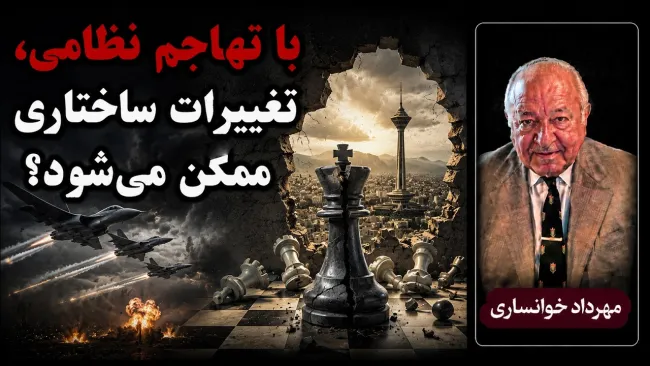
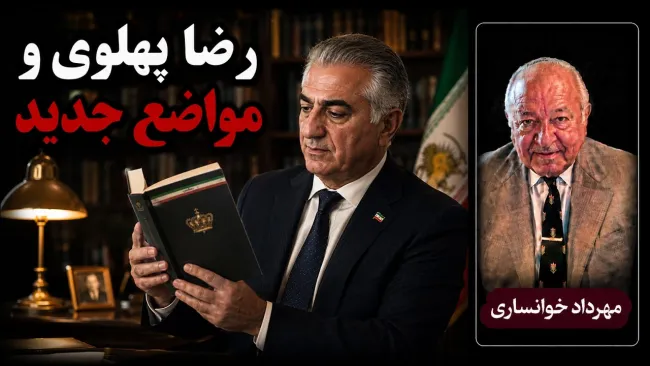
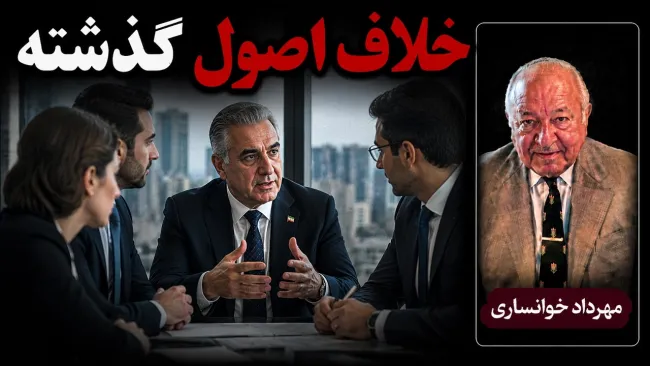
Mehrdad Khansari: Those who came with Khomeini and seized power diminished over time, and only 15-20 percent of them remain.
All the levers of power are in the hands of this 15-20 percent, and they run the country.
Read more
Mehrdad Khansari: In a situation that is neither war nor peace, the Islamic Republic is not more unstable.
Neither the Islamic Republic nor the US government wants to return to the battlefield.
Read more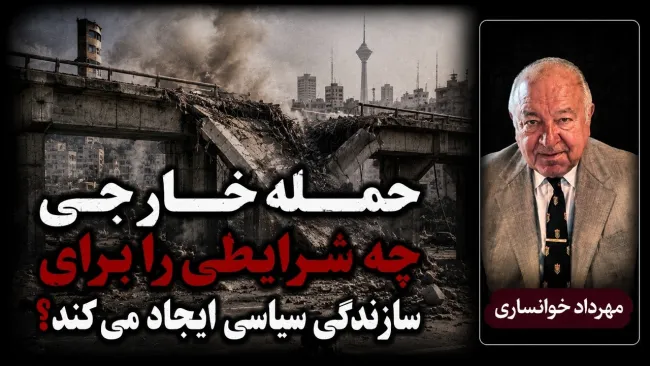
Mehrdad Khansari: A foreign attack harms the work of constructive political forces and creates conditions where many people, for national reasons, stand behind the system.
The attack on Iran was against international law.
Read more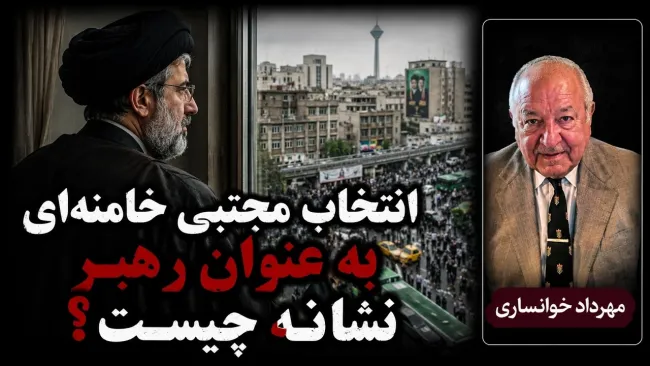
The selection of Mojtaba Khamenei as the leader of the Islamic Republic: what does it signify? An exclusive conversation with Mehrdad Khansari.
Mehrdad Khansari: The removal (or sidelining) of Ayatollah Khamenei has created a situation in which, if our nation is vigilant...
Read more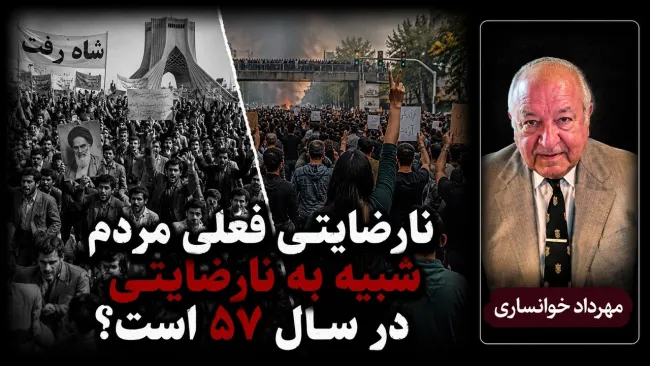
Is the current dissatisfaction of the people similar to the dissatisfaction of the people in 1979?
Mehrdad Khansari: The nature of the current dissatisfaction of the people is different from the past.
Read more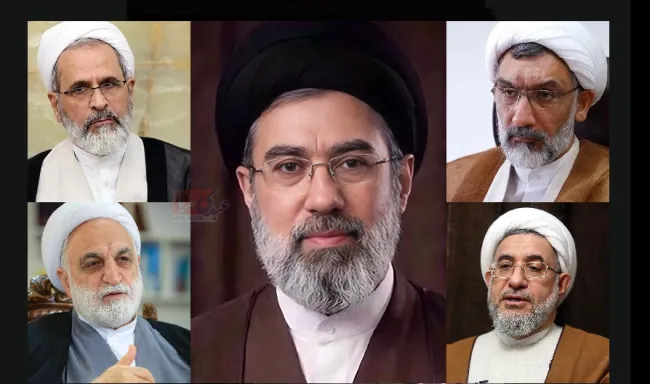
In the final years of his life, Ayatollah Seyed Ali Khamenei paid more attention to two seminary jurists, namely Ayatollahs Alireza Arafi and Mohsen Araki, with more prominent decrees (or roles).
Regarding Sheikh Alireza Arafi, of course, this position was not only more prominent but also deeper, and many pillars of the system were more coordinated with him.
Read more
Mehrdad Khansari: The cause of the Shah's downfall was the dissatisfaction of the people.
The people wanted more political freedom, which was not available at that time.
Read more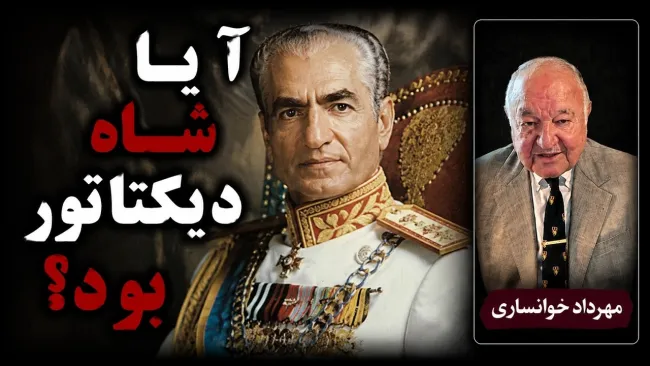
Mehrdad Khansari: The Shah was a dictator politically, but he was not a brutal dictator.
The Shah intervened in two areas: matters related to foreign policy and military matters and the defense of the country.
Read more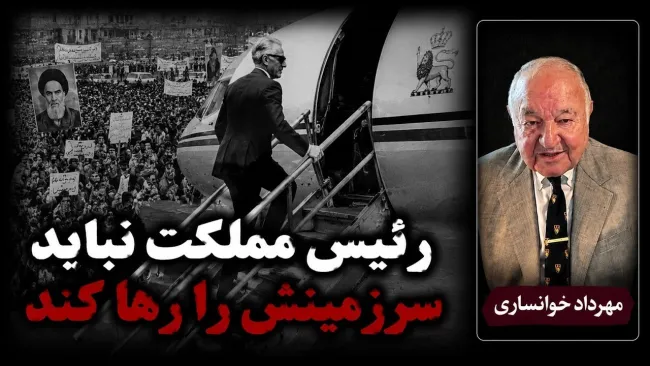
Mehrdad Khansari: One of the differences between the rule of the Shah and the current rule is that the head of the country should not abandon his land.
During the time of the Shah, dissatisfaction could be curbed by providing financial facilities to the people.
Read more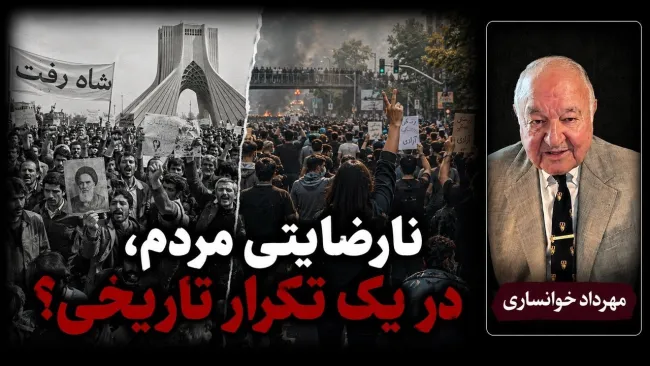
Is public dissatisfaction with the government a "historical repetition"? Exclusive interview with Mehrdad Khansari
Mehrdad Khansari: Our country, at the time when Mohammad Reza Shah came to the throne, was a poor country.
Read more
What is the biggest weakness of the Islamic Republic? Exclusive interview with Mehrdad Khansari
Mehrdad Khansari: The biggest weakness of the Islamic Republic is the lack of development and the creation of public dissatisfaction.
Read more
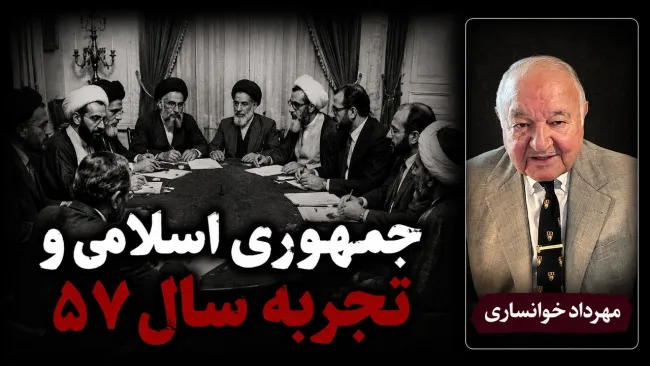
The Islamic Republic has made extensive use of the experiences of "1957".
The skill he had in construction, he did not have in "crisis management".
Read more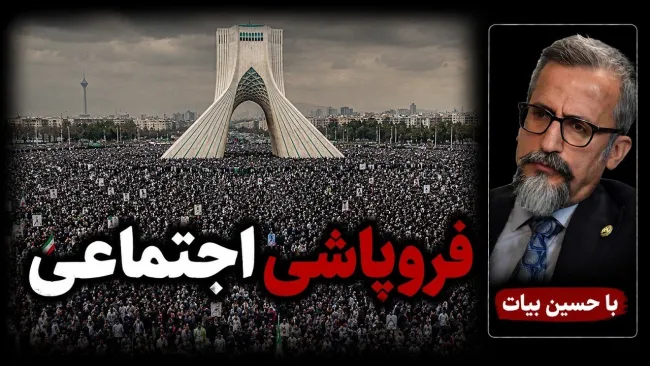
Hossein Bayat: In such an emergency situation, there is no authorization for the government to become "self-satisfied" or "pleased with itself."
If the government continues its practice of raids, imprisonments, and house arrests, what we were worried about happening through a foreign attack will instead occur through "social collapse."
Read more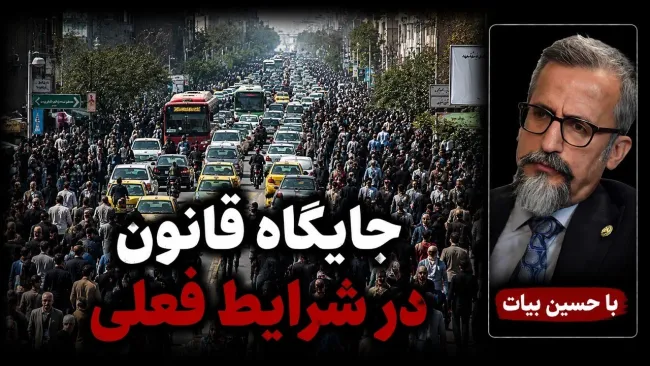
Hossein Bayat: Fundamental rights have always come into conflict with the ideological foundations of the Islamic Republic.
We are in an emergency situation in which the law is not observed.
Read more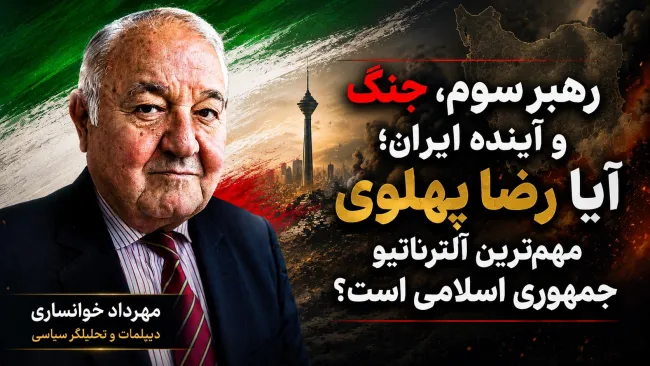
Watch | The Third Leader, War, and the Future of Iran; Is Reza Pahlavi the most important alternative to the Islamic Republic? In a conversation with Mehrdad Khansari, former diplomat and political analyst.
Watch on the Abdi Media YouTube channel.
Read more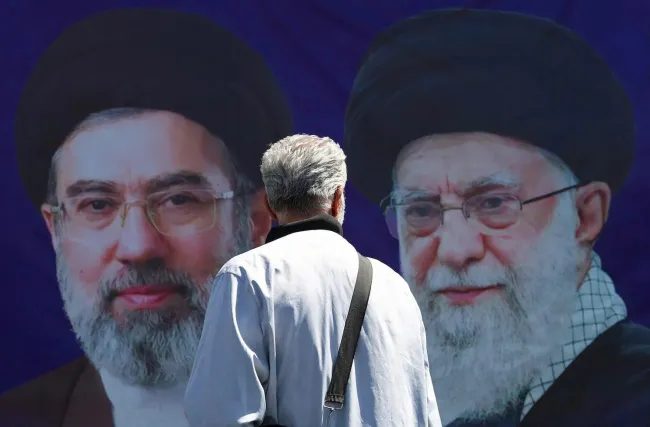
Every year, the commemoration ceremony for the founding leader of the Islamic Republic was held at his mausoleum with the attendance of Ayatollah Seyyed Ali Khamenei; will the third leader also not participate in this ceremony this year,...
in the first year of his leadership? Furthermore, every year, in accordance with the established custom of the Islamic Republic
Read more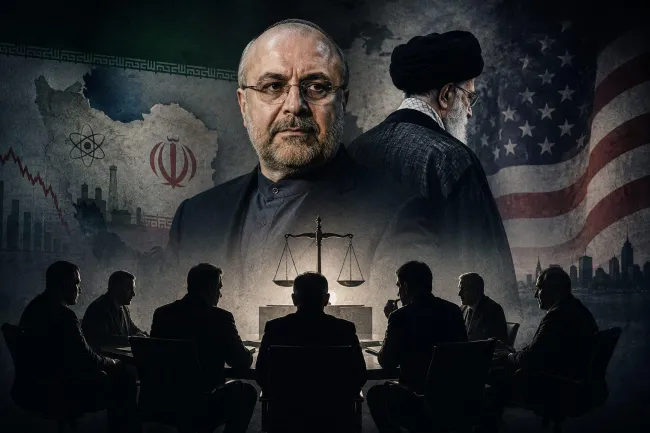
Will the shift in the balance of power within the hard core of power lead to an unprecedented agreement?
Some recent developments and movements have raised the speculation that within the hard core of power, more authority has been granted to pragmatic and security-executive factions.
Read moreMost Read
Popular reads across Abdi Media