
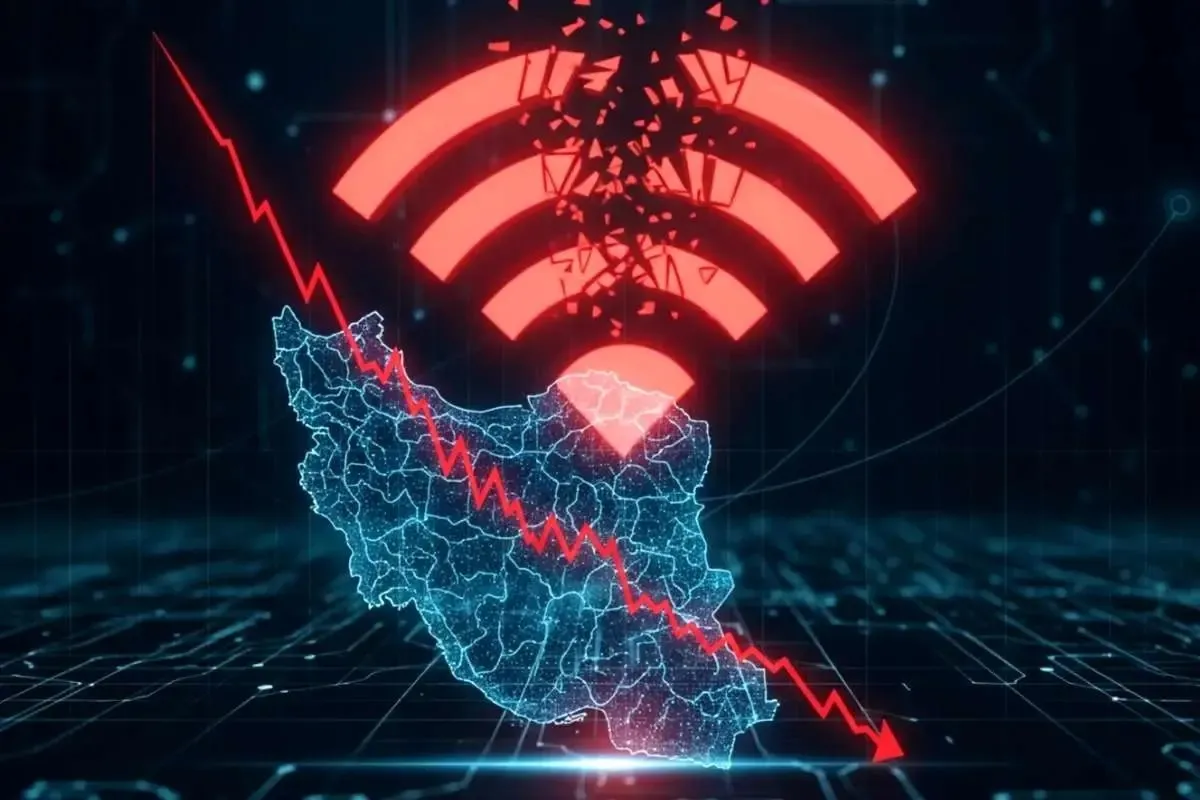
After the assassination of Ismail Haniyeh in Tehran, the debate resurfaced regarding the role of foreign social media platforms in information dissemination and the need to impose internet restrictions.
According to Jomhouri-e Eslami Newspaper, after the assassination of Ismail Haniyeh in Tehran, the discussion about the role of foreign social media networks in information transmission and the necessity of internet restrictions has resurfaced.
During the 12-day war and the widespread internet blackout, the issue went beyond mere filtering and shifted toward the securitization of the internet.
Experts emphasized that even in wartime conditions, there must be a mechanism in place to ensure that the country does not suffer a complete breakdown of communications.
Today, the internet is a vital part of society’s infrastructure, essential for education, research, business, and everyday communication.
Plans such as “white SIM cards” and special internet access for certain individuals have intensified feelings of discrimination within society.
Classifying citizens based on internet access can erode social capital and public trust.
National security does not only mean preventing external threats; the psychological security of society is also a key component.
Prolonged internet shutdowns have caused serious disruptions in academic, educational, and research activities in the country.
Historical experience has shown that widespread bans on technology ultimately fail and are circumvented.
Continuing a patronizing approach toward the public and depriving them of free access to the internet can deepen the gap between the government and society.


Take less than a minute, register and share your opinion under this post.
Insulting or inciting messages will be deleted.
Sign Up