The man came again! A simple analysis of what has happened in the world in the past decade and what lies ahead
The answers to a few key questions can make the world clearer: What is going on in the United States?
Author: Mohammad Nazari Zadeh
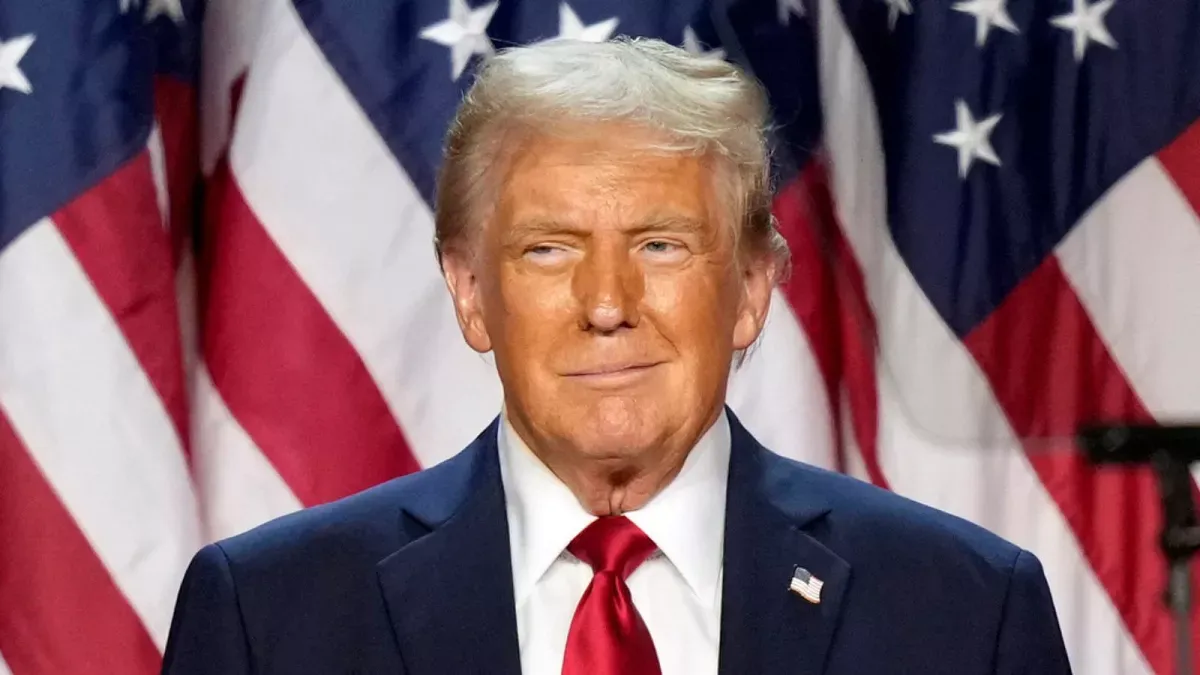
Answering a few key questions can shed light on the state of the world: What’s happening in the United States? What exactly are Trump and his visible and hidden supporters trying to say? And what is America’s latest plan for the world?
In the simplest terms, Donald Trump and his team represent a highly influential faction in the U.S. that holds a critical view of globalization trends, particularly those that intensified since the 1970s. This perspective revolves around four fundamental components:
- Opposition to Multilateral Agreements
This perspective rejects multilateral agreements and emphasizes bilateral trade and contracts. For this reason, the U.S. withdrew from the TPP in 2017, which was considered the largest multilateral trade agreement in history, as well as the Paris Climate Agreement. The U.S. withdrawal from the JCPOA (Iran Nuclear Deal) also aligns with this perspective. Trump, his team, or his primary supporters hold no special personal animosity toward Democrats or Iran’s government. Let’s review what happened.
In December 2017, Iran’s Supreme Leader told students, “Some believe that establishing relations with the U.S. will solve our economic problems… This is a mistaken notion. The U.S. is not only unhelpful but the main obstacle.” The U.S. government faced a deal that only benefited Iran, the EU, Russia, and China economically. Viewing multilateral agreements as limitations on U.S. sovereignty, this approach prioritizes unilateral pressure tools (such as sanctions) over collective diplomacy. It also emphasizes power balance and serious competition with rivals (like China) over multilateral cooperation. Under this perspective, deals like aircraft purchases excluded Boeing, and major projects sidelined General Electric simply for being American. Trump labeled the JCPOA a “catastrophic agreement” favoring globalization elites and against ordinary Americans' interests. - Costs of Globalization
This perspective sees current globalization models as increasing costs for the U.S. while strengthening rivals like China. Hence, Trump regarded international institutions like NATO as tools for exploiting the U.S. and pressured NATO members to increase their tax contributions to 2% of their GDP, threatening U.S. withdrawal if they failed to comply. - Opposition to Immigration
This viewpoint sees immigration as a negative aspect of globalization, contributing to wage reduction and threatening national security. Policies like building a wall along the Mexico border and intensifying anti-refugee measures align with this perspective. - American-Led Globalization
This view promotes globalization led by American-rooted multinational corporations rather than international organizations. Multinational corporations are seen as the most significant tools of U.S. soft power. The close relationship between individuals like Elon Musk and Trump demonstrates their role in Trump’s vision for globalization.
In summary, Trump’s strategy can be termed “American-led globalization,” relying on unilateralism, the power of large American-rooted multinationals, and economic pressure tools instead of multilateral cooperation and international organizations. Most of Trump’s recent executive orders reflect this strategy.
Will this approach succeed? The answer depends on three factors: the U.S.'s ability to maintain its technological and financial dominance, multinational corporations’ loyalty to U.S. national interests, and other nations' responses to U.S. unilateralism.
About five years ago, opponents of this policy, whether by design or coincidence, significantly slowed its implementation through the outbreak of a global pandemic (COVID-19). Will we need another pandemic to stop or at least slow down these policies again? Or will a more creative and innovative scenario be implemented this time?