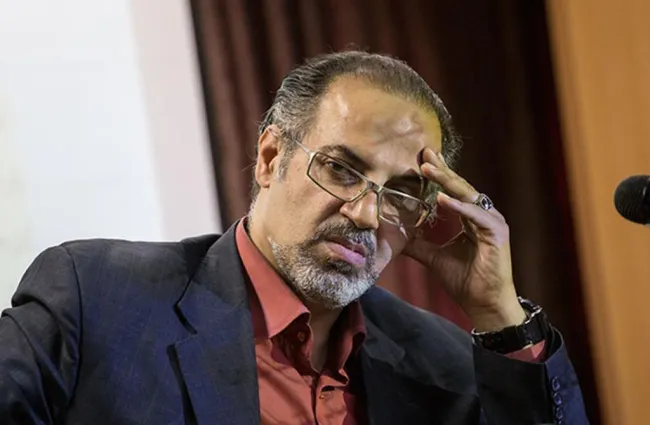
Mehdi Motaharnia


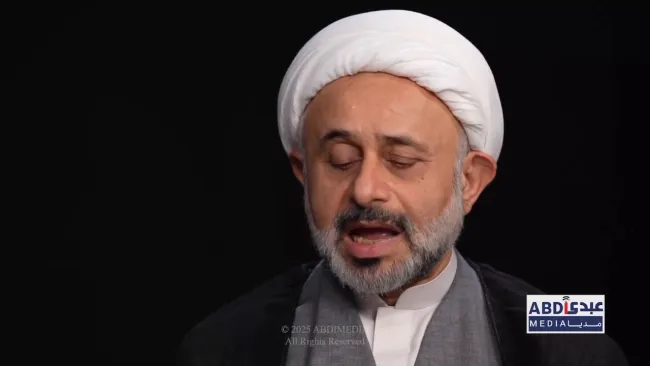


Sheikh Nasser Naqavian: Those gentlemen who sit in the seminaries and issue fatwas should come with me to the classrooms and the streets!
Note: This episode of Simorgh, produced by Abdollah Abdi, was recorded before the Israeli attack on Iran.
Read more

Listen | Simorgh | Ethics, Future Governance, and Fiqh – a conversation between Mehdi Motaharnia and Sheikh Nasser Naqavian.
Read more
Sheikh Nasser Naqavian: If a jurist can advance their thinking to the level of the community’s intellectual leaders, the people will accept them.
In the Constitution, alongside the term “jurists,” the phrase “fully qualified” is also mentioned.
Read more
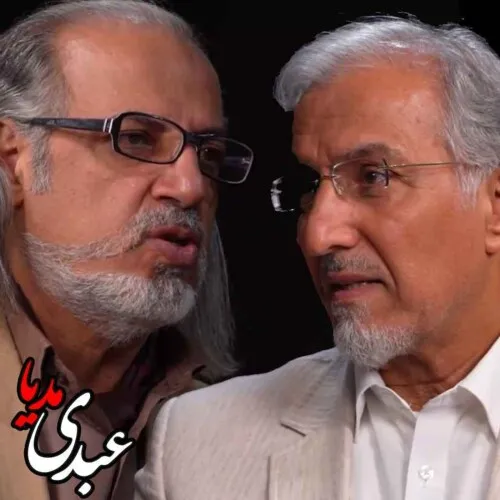
Listen: Simorgh | Economy, Justice, Hidden Collapse — a conversation between Mehdi Motaharnia and Dr. Hossein Raghfar on Abdi Media
Structural corruption, the banking system trapped in the grip of security institutions, and the education crisis; Hossein Raghfar warns bluntly in an interview that if military institutions and ruling foundations do not step aside from the economy, there will be no hope for the country’s political survival.
Read more

Sheikh Naser Naqavian: In Ayatollah Khomeini’s view, music was absolutely forbidden!
If our seminary cannot update itself, it is doomed to the same fate that priests and clergy of other religions have faced.
Read more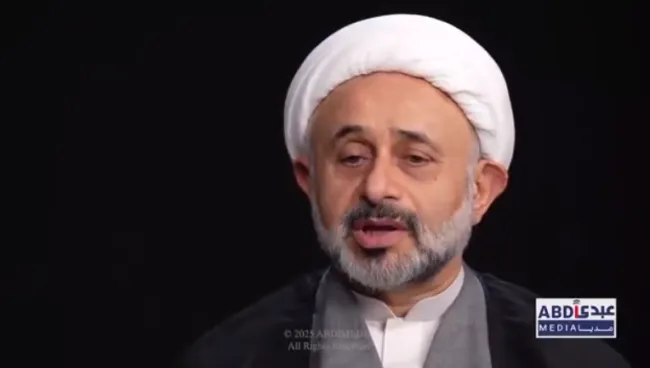
Sheikh Nasser Naqavian: We are not seeking a revolt or reform in the sense of a revolution; rather, we aim for a structural reform.
These people have seen enough blood and bloodshed; they cannot bear another disorder — in which the blood of innocents would be spilled.
Read more
Listen | Simorgh | Ethics, Future Governance, and Fiqh – A conversation between Mehdi Motaharnia and Sheikh Naser Naqavian
Listen without filters on Castbox Abdi Media
Read more
![صادق زیباکلام: اگر دلیلی برای عبور از [عقاید] خودم ببینم، قطعا عبور خواهم کرد](/sites/default/files/styles/max_650x650/public/1404-07/zibakalam_11.png.webp?itok=cqRSDbTT)
Sadegh Zibakalam: If I see a reason to depart from [my beliefs], I will certainly do so.
The three words that will shape Iran’s future: abandoning resentment, hatred, and malice.
Read more
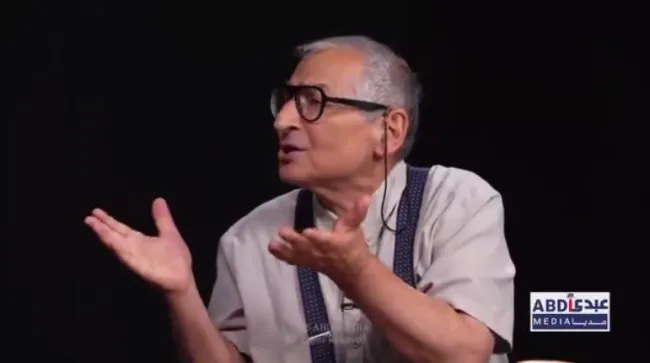
Sadeq Zibakalaam: Our biggest problem is understanding the developments in our own society!
Note: This season of the Simorgh program, produced by Abdullah Abdi, was produced before the Israeli attack on Iran.
Read more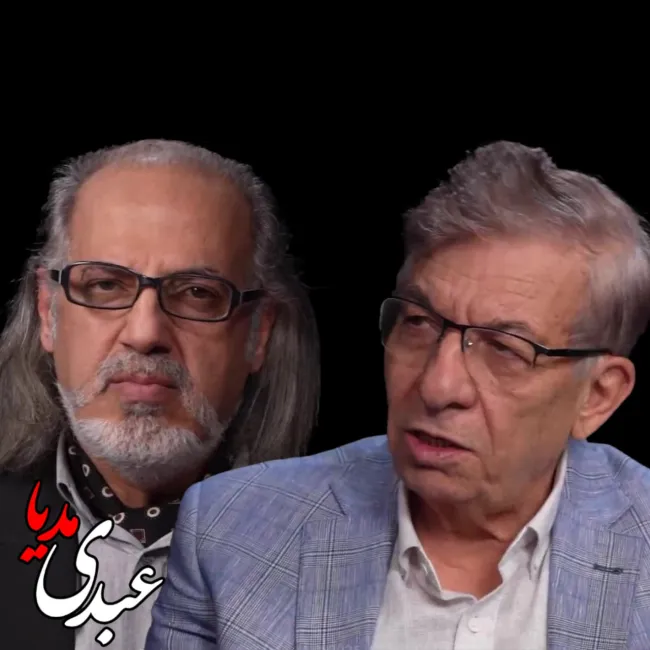
The Right to Protest and Iran's Future Governance Model, Mehdi Motaharnia's Conversation with Hedayat Aghaei on the Simorgh Program
In a world where political order is being redefined, the key question is how reformism in Iran will have to do with the future; Can it be the accelerator of change or will it become a deterrent? Part of the community has passed through reformism in year 6, and this will undoubtedly affect the future of Iran and the future of politics in the country.
Read more
Sadegh Zibakalam: It matters who is the president
I wanted with all my being to prevent Jalili's presidency; because it was a continuation of the misery that started during Mr. Raisi's time.
Read more
Sadegh Zibakalam: I am against the overthrow, but I am seeking change with all my heart.
I am in no way saying that we must cling to this system with our claws and teeth!
Read more
Water Crisis and Natural Resources; A Conversation Between Environmental Activist Mohammad Darvish and Ataullah Ebrahimi, Director of the Soil Conservation and Watershed Management Research Institute
While natural resources can act as the cornerstone of a country's stability, their lack of proper management can lead to serious problems and even the collapse of the land. To this end, today, with Dr. Ebrahimi, the head of the Institute for Soil and Watershed Management, we are discussing the effective challenges and strategies in the country's natural resource management.
Read more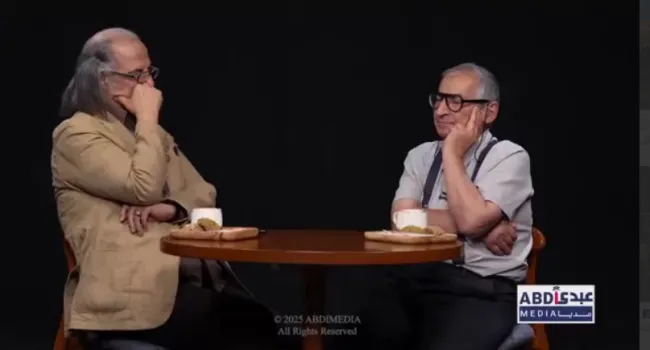
Criticism of the young generation's narrative of the 1979 Revolution
Don't read more than two pages of the book to see what happened in 1979, you will only look at us with hatred and resentment.
Read more
Sadegh Zibakalam: If the Islamic Republic falls tonight, we have come out of the hole and fallen into the well.
After the fall of the Islamic Republic, our gaps will just explode and get out
Read more
Sadeq Zibakalam: We should not join the wave of hatred and grudges and say that we have no other choice but to overthrow!
Our society is influenced by four deep social divisions: cultural, religious, ethnic and financial divisions
Read more
Sadegh Zibakalam: In January 2017, some female students at Tehran University took off their headscarves for the first time.
With the anger I saw in the Basij's eyes, they might have shot female students if they had weapons
Read more
Sadegh Zibakalam: The overthrow of the cause of hatred and hatred of the Islamic Republic's system
I believe at least 5 % of Iranian people are dissatisfied with this system
Read more
Sadegh Zibaklam: When I say I disagree with overthrow, they say, "Do you see blindness?"
What you have passed through this system, what have you done since year that this system has been closer to overthrow?
Read more
Sadegh Zibaklam: Some - like Mr. Mehdi Motaharnia - are mounted on this wave [which the system reaches the end of the line] and are careful not to find!
What if you say anything but overthrow, what have you done in the past few years?!
Read more
See: Simorgh | Intellectuals, Power and Stock of Republicanism in Iran Dialogue Mehdi Motaharnia and Sadegh Zibaklam
Note: This season has been produced since the Israeli attack on Iran.
Read more
Hossein Salahvarzi: The private sector's share of the economy must increase
The task of the private sector all over the world is to make demands and provide solutions
Read more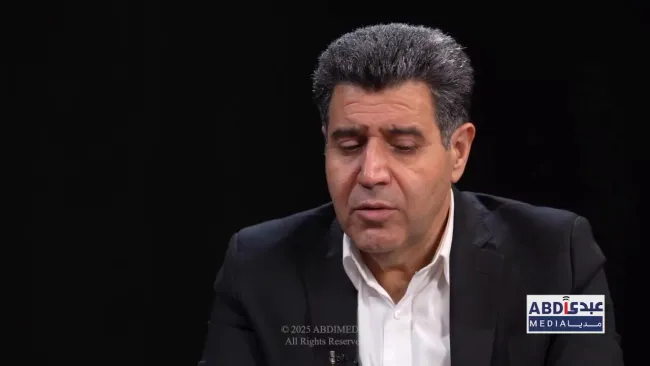
Hossein Salahvarzi: The government should avoid competing with the private sector
A large part of the private sector also only wanted to earn a larger share after the revolution
Read more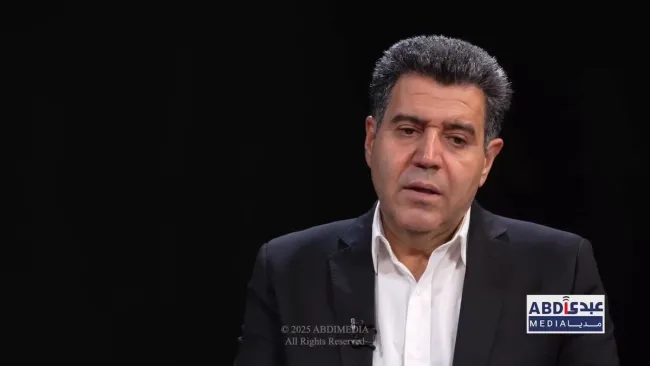
Hossein Salahvarzi: Today's government itself cannot import the foreign exchange earned from oil sales!
The result of these interventions is a decrease in non-oil exports
Read more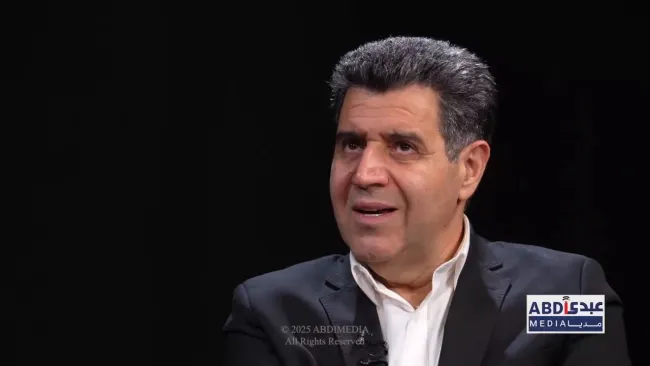
Hossein Salahvarzi: The country is becoming worn out in all matters
The country's economic developments are such that you can't even make economic predictions for your own family!
Read more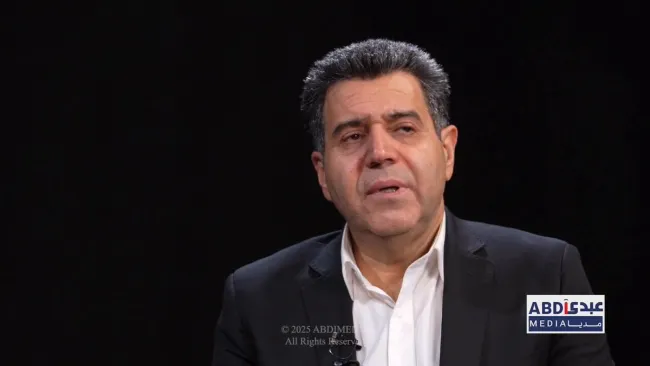
Hossein Salahvarzi: We are not even close to the goals of the 2025 Vision Document!
Administrative corruption and lack of meritocracy have destroyed the motivation [of activity] in the country
Read more
Hossein Salahvarzi: The real value of the dollar is about 80,000 Tomans
(This program was recorded before the Twelve Days War)
Read more
Hossein Salahvarzi: Almost half of Iran's economy is in the hands of rent-seekers
In an opaque administrative system where there are golden signatures, these things also happen!
Read more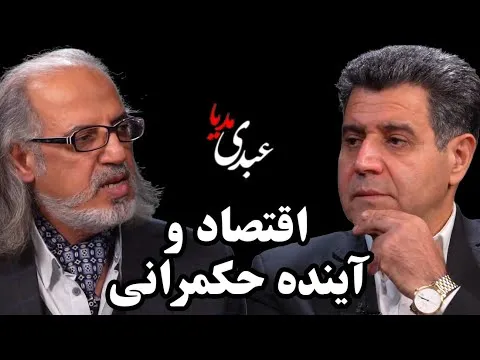
See: Simorgh | Economy and the Future of Governance, a conversation between Mehdi Motaharnia and economic activist Hossein Salahvarzi
Note: This episode of the program was produced before Israel attacked Iran
Read more
Tonight on Abdi Media: Simorgh | Intellectuals, Power, and the Deadlock of Republicism in Iran
Conversation between Mehdi Motaharnia and Sadegh Zibakalam
Read more
Hossein Raghfar: The conditions for the real participation of private sector and public capital must be provided.
As long as the economy lacks sufficient transparency, a real private sector cannot operate.
Read more
Hossein Raghfar: The only solution to the crises is to return to the people.
There is a solution; but the solution cannot exist within the current order — or disorder.
Read more

Hossein Raghfar: Housing is generally out of reach of the middle class
People have been excluded from the country's fundamental decision-making system.
Read more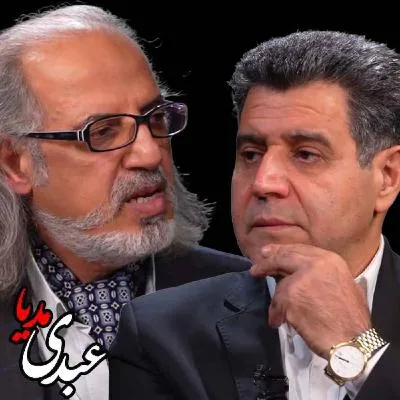
Listen to | Simorgh | Economics and Future of Governance of Mehdi Motaharnia and Hossein Selahvarzi Economic Activist
No filter, hear in Abdi Media Castbox
Read more
Hussein Raghfar: The continuation of the current situation is not possible and will lead to political collapse.
The lower classes have been removed from the country's policy agenda.
Read more
Hosein Raghfar: The main subject of governance today is the interests of oligarchs.
Today a significant portion of the country's population cannot go to school.
Read more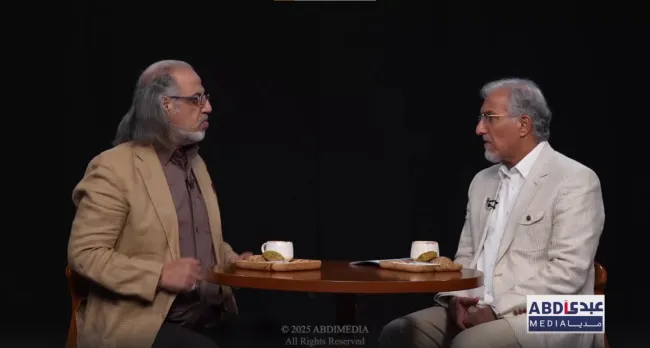
Hossein Raghfar: After the war, national resources and opportunities were distributed in a very unequal manner.
As we progressed further, these inequalities intensified and the gap between the people and the government widened.
Read more
Hossein Raghfar: Today, many of the generals from the war era are among the country’s largest capitalists.
In 2008, on a single day, eight new banks were established.
Read more

See: Simorgh | Economy, Justice, Hidden Collapse – Conversation between Mehdi Motaharnia and Dr. Hossein Raghfar on Abdi Media
Note: This episode of the program was produced before Israel’s attack on Iran.
Read more
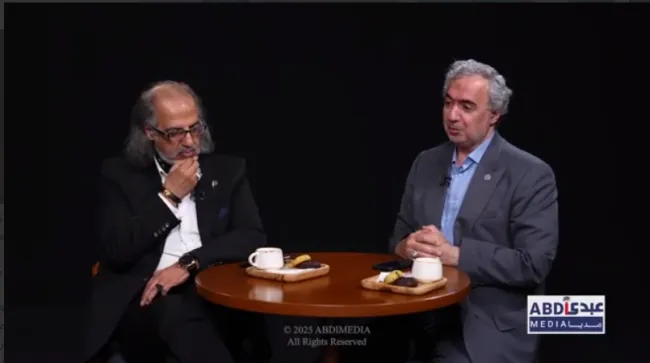
Ali-Asghar Pourezzat: If the administrative system is placed under my control, I will eliminate lifelong employment.
If someone gave immeasurable slogans, I would reject his qualification for representation.
Read more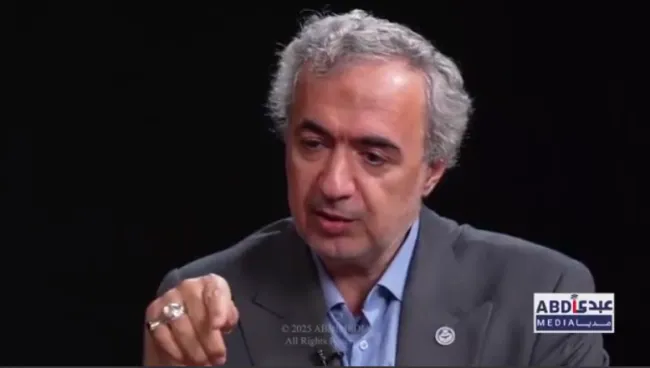
Ali Asghar Pour Ezzat: The country's security depends on authority
I can never trust a foreign soldier to provide my security.
Read more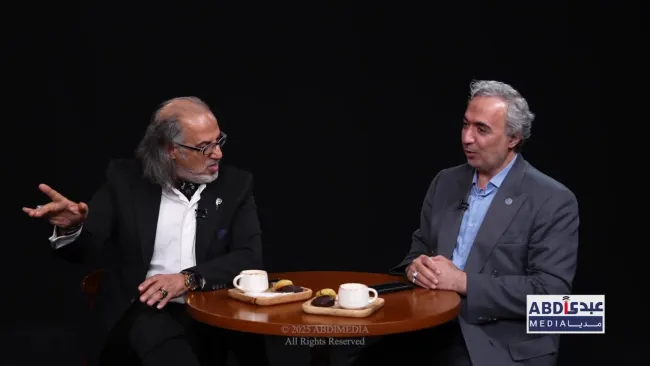
Ali Asghar Pour Ezzat and Mehdi Motaharnia's argument in the new episode of Simorgh
If we correctly define the propositions of enjoining good and forbidding evil, the ruler cannot dominate.
Read more
Ali Asghar Pour Ezzat: We have a chaotic bureaucracy
Governance is the medicine we need today.
Read more
Ali-Asghar Pour-Ezzat: The left and right that came to power in the country had no commitment to the slogans they proclaimed.
You have also learned from living in the current conditions that you either accuse God.
Read more
Ali Asghar Pour Ezzat: What replaced the capitalists after the revolution failed to work as well as before
The disruption after this period and the collapsed order, for a while, experiment and trial and error dominated the country.
Read more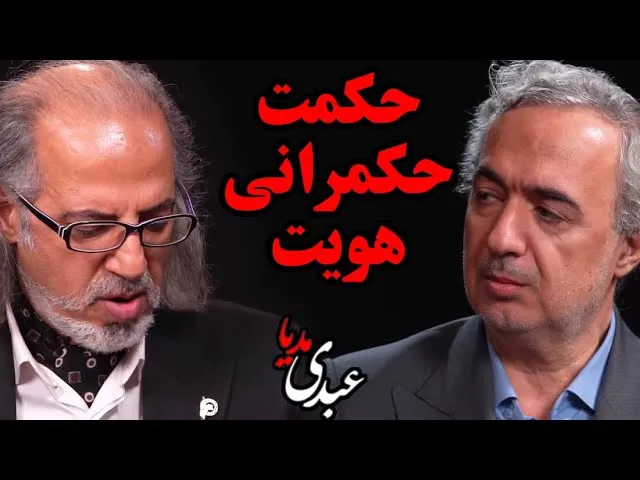
Simorgh | Wisdom, Governance, Identity: A Conversation between Mehdi Motaharnia and Dr. Ali-Asghar Pour-Ezzat on Abdi Media
Note: This episode of the program was produced before Israel's attack on Iran.
Read more
Hedayat Aghaei: The foundations of power in governance are changing.
Our society is transitioning away from past traditions.
Read more
Hedayat Aghaei: Today, the reformists have become more diverse.
A broad spectrum of reformists no longer fall under traditional reformism; they are now transformation-seekers.
Read more
Hedayat Aghaei: The strategy of the reformist movement is undergoing change.
Even with Mr. Pezeshkian’s candidacy, the reformists did not support him as they had in the past.
Read more
Hedayat Aghaei: Under the current circumstances, the reformist movement has undergone identity changes.
Today, the reformists have the potential to bring about a profound transformation in society.
Read more
Hedayat Aghaei: After a revolution wins and governance is formed, we should, as a rule, put the revolution aside.
Perhaps many of the judgments made during the Shah's era were unrealistic
Read more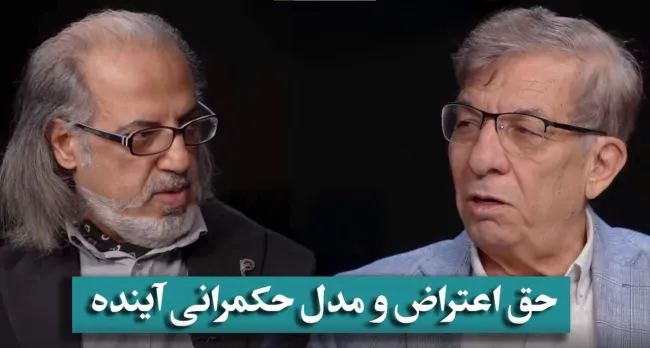
The Right to Protest and Iran's Future Governance Model | Mehdi Motaharnia's Conversation with Hedayat Aghaei on the Simorgh Program
Hedayat Aghaei: We have deprived and starred students of school year/ Future Governance Model; Rationality, rationality and rationality
Read more![محمدتقی اکبرنژاد: در آینده دو حوزه [علمیه] خواهیم داشت: حوزه نجف و حوزه ایران](/sites/default/files/styles/max_650x650/public/1404-06/akbarnejhad_5.png.webp?itok=7MdHrDhn)
Mohammad Taqi Akbarnejad: In the future, we will have two seminaries: the Najaf seminary and the Iranian seminary.
Note: This episode of the program was produced before the Israeli attack on Iran.
Read more
Mohammad Taqi Akbarnejad: Our governmental jurisprudence was born dead!
Note: This episode of the program was produced before the Israeli attack on Iran.
Read more
Mohammad Taghi Akbarnaj: The value of our action lies in our rationality.
Note: This episode of the program was produced before the Israeli attack on Iran.
Read more
Mohammad Taqi Akbarnejad: Disagreement between two jurists on forming a government can paralyze society
Answering modern questions is not our job [seminarians].
Read more
Mohammad Taqi Akbarnejad: The educational jurisprudence of the Quran and the Prophet of Islam is more concerned with your heart, mind, and culture than your behavior.
Note: This episode of the show was produced before Israel attacked Iran.
Read more
Mohammad Taqi Akbarnejad: In the Quran and hadiths, jurisprudence and ethics are not divided; rather, we have "ethical jurisprudence"
Our jurisprudence must be ethical and educational.
Read more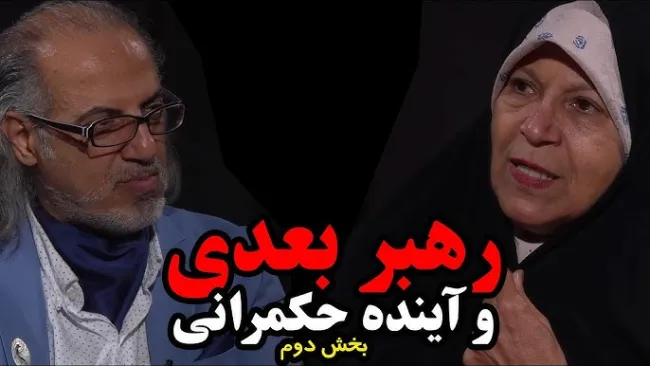
Women and the Future of Governance | Interview with Mehdi Motaharnia, featuring Faezeh Hashemi (Part Two)
Read more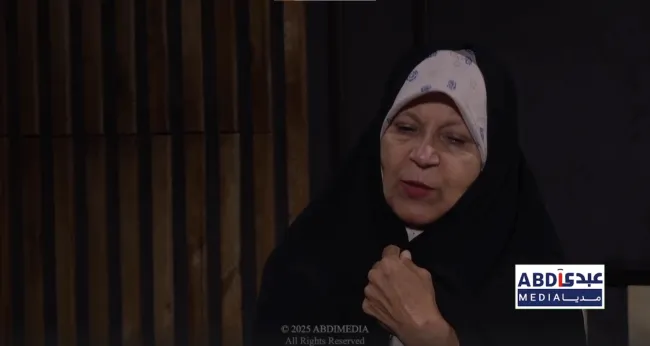
Faezeh Hashemi: Before Mr. Pezeshkian's government, having a woman as a minister was a taboo for some.
If we have gender equality in political parties, the voice of equality can manifest in society.
Read more
Faezeh Hashemi: With my candidacy for the fifth parliament, the pressures on me increased.
The attacks against me began with my support for women's cycling.
Read more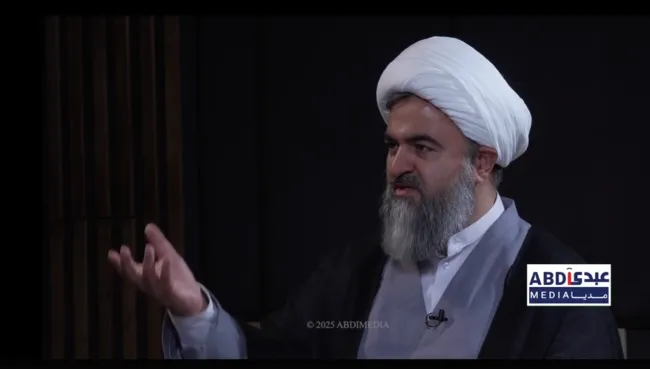
Mohammad Taghi Akbarnejad: I do not see the rationality necessary for future thinking in the clergy
The Chinese also realized after Mao that his policies were not working
Read more
Mohammad Taghi Akbarnejad: The concept of Ayatollah Khomeini from the jurisprudence was not accepted by jurists
In the Islamic Republic, everything ruled except religion!
Read more
Mohammad Taghi Akbarnejad: Religious authority has been removed from the clergy
We have always contradicted tradition and modernity, and none of them overcome the other
Read more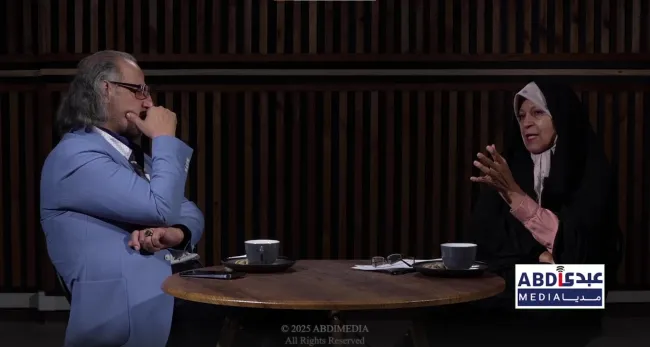
Faezah Hashemi: The effects of the 2023 movement continue and will become even stronger.
The only right thing that Mr. Ahmadinejad did was to elect a female minister without agreement - with religious officials -
Read more![فائزه هاشمی: رئیس جمهور ما اختیار این را ندارد که [در حوزه زنان] هر تصمیمی که میخواهد را بگیرد](/sites/default/files/styles/max_650x650/public/1404-05/rafsanjani.jpg.webp?itok=GCjclIZv)
Faezah Hashemi: Our president does not have the authority to make any decision he wants [in the area of women].
Instead of limiting the dowry, analyze the implications of setting a heavy dowry!
Read more
Mohammad Mahtahernia: Did you lose as many commanders in these three days as you did in the eight years of war against Saddam?!
Iran has been and is one of the largest countries in the Middle East in terms of stature.
Read more
Mahdi Motaharnia: Republicanism in Iran is subject to semantic and definitional limitations.
The unveiling of the main element for the future of Iran cannot be something very meaningful.
Read more
Mahdi Motehernia: Russia and China do not actually stand behind the Islamic Republic of Iran.
Russia and China are trying to gain advantages in this game from the cradle of the power ceremony.
Read more
Mahdi Motaharnia: Ritual collapse is one of the future scenarios of the war between Iran and Israel.
With the occurrence of internal collapse and the entry of external powers as amplifiers, a ritual collapse occurs.

Mahdi Motaharnia: The value system of Iran has collapsed.
The gradual internal collapse on both sides and the deterrent entry of global powers are two uncertainties in the Iran-Israel conflict.
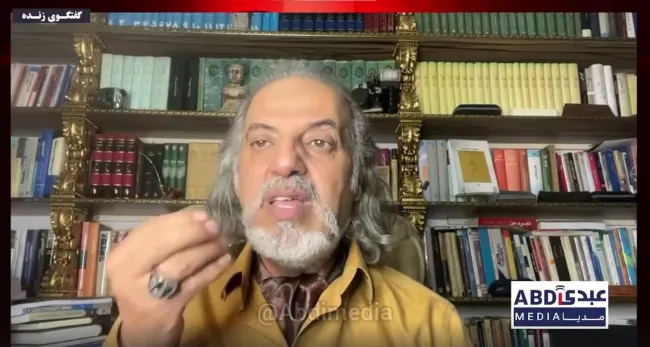
Is social development a prerequisite for economic development?
Mahdi Motaharnia: Development is something that follows symmetrical interaction.

Mehdi Motaharnia: The government's concession has occurred in practice
When it comes to this, any retreat in positions can be a kind of acceleration of the final defeat.
Read more
The Border of Stability and Transformation: The Triad of Turbulence, Power, and Resistance in the Field of Fundamental Exchanges / With the Presence of Dr. Mehdi Motaharnia
Read more
Mehdi Motaharnia: There are different scenarios about Iran's future; now is not the time to bring this up.
Trump doesn't make decisions alone, there is a system of thought behind him.
Read more
Mehdi Motaharnia: All revolutionary leaders received support from abroad. Didn't Ayatollah Khomeini come on a French plane? Didn't the Guadeloupe Conference take place?
When you show weakness within and don't use resources wisely, someone else comes along and assigns you a task.
Read more
Mehdi Motaharnia: Where is Mr. Pezeshkian now? Why aren't they giving speeches?!
If you do not know the alphabet of politics, don't be a politician!

shahin sharghi: The dangerous future is to be the slave of a machine system or a technology group
If we do not move towards the future of people -centered, technology can create a greater gap between people and power
Read more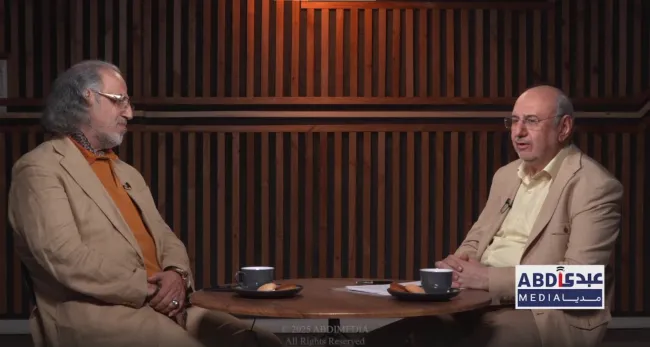
Shahin sharghi: Power circles operate in Iran
There is no intelligent bond in our sovereignty
Read more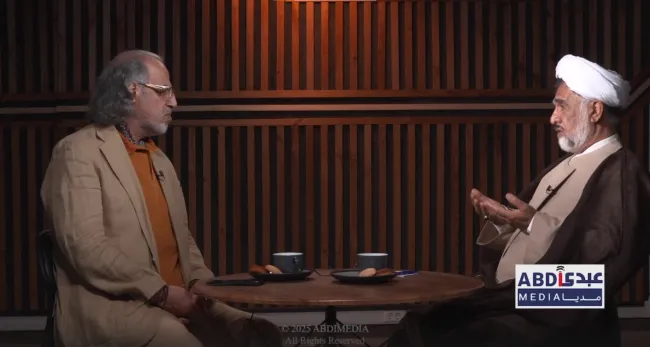
Mohammad Taghi Fazel Meibodi: In Islam, there are areas for secularism
The Prophet had also accepted the custom of rational and did not connect everything to revelation
Read more
Mohammad Taqi Fazel Meybodi: Many of the issues raised in our jurisprudence today have no context.
Solve the fundamental problems of girls to solve the hijab discussion
Read more
Mohammad Taghi Fazel Meybodi: There is no rational or religious reason for not being president of women
Our jurisprudents are back
Read more
Mohammad Taghi Fazel Meybodi: The government that becomes an ideological
After the revolution we made the government
Read more
Mohammad Taqi Fazel Meybodi: If Ali Ibn Abi Talib wanted to rule today, he would not rule the past style
Our expectation of jurisprudence must be limited; I do not expect the jurisprudence of medicine, engineering and property
Read more
Mohammad Taqi Fazel Meybodi: The Velayat -e Faqih has not been the case of all jurists.
25 % of the country's problems are because we want the clergy to intervene everywhere
Read more
Mohammad Taghi Fazel Meybodi: The best model in today's world is the republic
If a system experienced two or three periods of republic and did not have social or political growth, it should be revised in
Read more
Mehdi Motaharnia: External pressure and inner weakness will lead to "border chaos"
There is no coherent media system; Everyone is hitting their instrument, and everyone is nationalized nationally!

Mohammad Taghi Fazel Meybodi: Jurisprudence, in line with human life
Religious rule is a combination that cannot be defended
Read more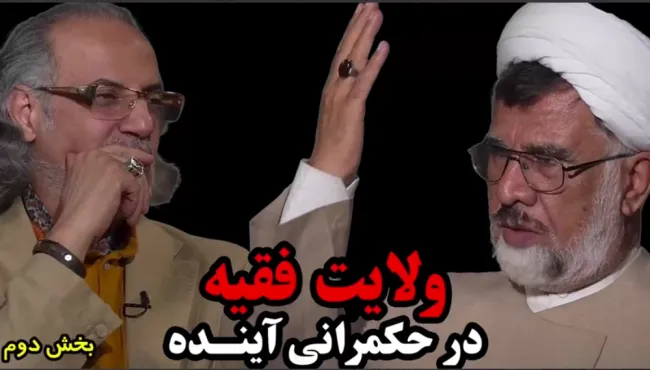
The future of governance; Religion, the hostage of the government? | Simorgh Program | In the presence of Mohammad Taghi Fazel Meibodi
Note: This season has been produced since the Israeli attack on Iran.
Read more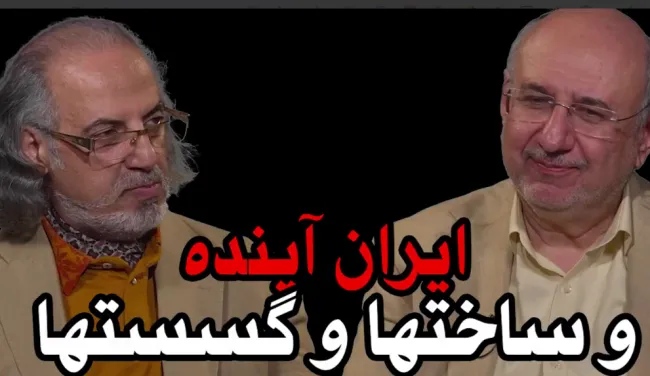
Now on Abdi Media: Future Iran and Constructions and Disruptions | Simorgh Program | Part Four | Part Two
Note: This episode of the program was produced before Israel attacked Iran.
Read more
Now on Abdi Media: Future Governance and New Technologies | Simorgh Program | Part Four | Part One
Note: This season has been produced since the Israeli attack on Iran.
Read more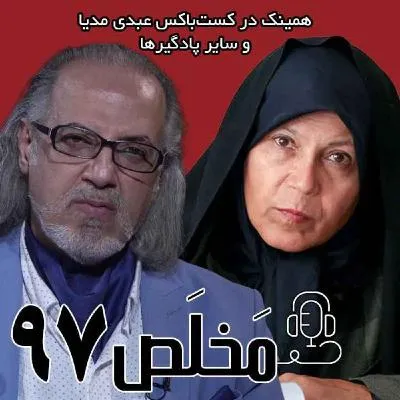
Listen to | Episode 97 Makhlas Women and the Future of Governance Interview by Mehdi Motaharnia
Listen to the Makhlas "5 minutes" without filter with Faezeh Hashemi Hashemi, in Abdi Media Castbox
Read moreNow on Abdi Media: Velayat Faqih in Future Governance | Simorgh Program | Part Three | Part Two
Note: This episode of the program was produced before Israel attacked Iran.
Read moreTonight on Abdi Media: The Future of Governance; Religion, Hostage of the Government? | Simorgh Program | Part Three | Part Two
Note: This episode of the program was produced before Israel attacked Iran.
Read more
Tonight on Abdi Media: The Future of Governance; Religion, a Hostage of the Government? | Simorgh Program | Episode Three | Part One
With the presence of: Mohammad Taghi Fazel Meybodi
Read more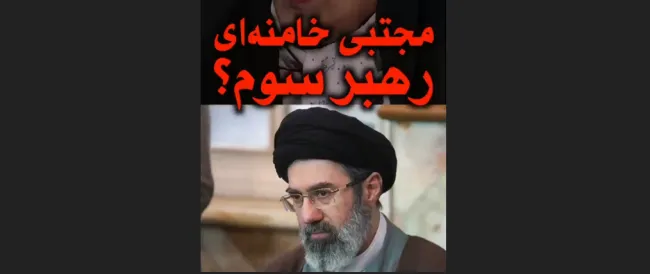
Next leader and future governance Simorgh Program | Part Two | Part II
Faezeh Hashemi: Look, I first remind me that I am not associated with the jurisprudence of the jurisprudence.
Read more

Right now on Abdi Media: The next leader and the future of governance | Simorgh program part two | second and final section
Note: This episode of the program was produced before Israel's attack on Iran.
Read moreTonight in Abdi Media: The next leader and the future of governance | Simorgh Program | Part Two | The second and last part
With the scientific and content collaboration of the Simorgh Future Research School
Read more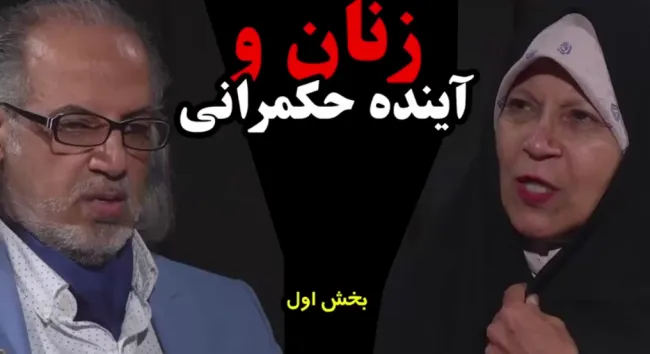
Now in Abdi Media: Women and the future of governance
Note: This season has been produced since the Israeli attack on Iran.
Read more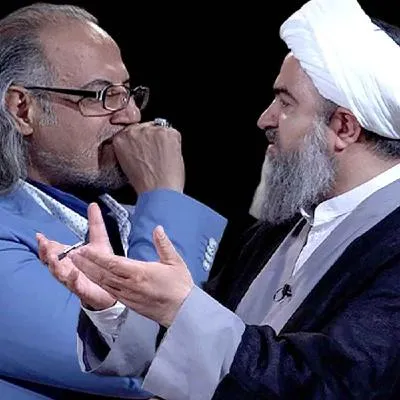
Listen | The Future of Governance and Jurisprudence Part One of the Simorgh Program Section Two and Last
Note: This episode of the program was produced before the attack of Israel on Iran.
Read more
Now in Abdi Media: Crisis for Substitution of Leadership, Future of Governance and Jurisprudence - Part I - Part II -
Note: This season has been produced since the Israeli attack on Iran.
Read more
Listen to | Future of Governance and Jurisprudence Part I of Simorgh Program
Producer: Abdullah Abdi - Abdi Media
Read more
Now on Abdi Media: The Future of Governance and Jurisprudence Part One
This season of the program was produced before Israel attacked Iran.
Read more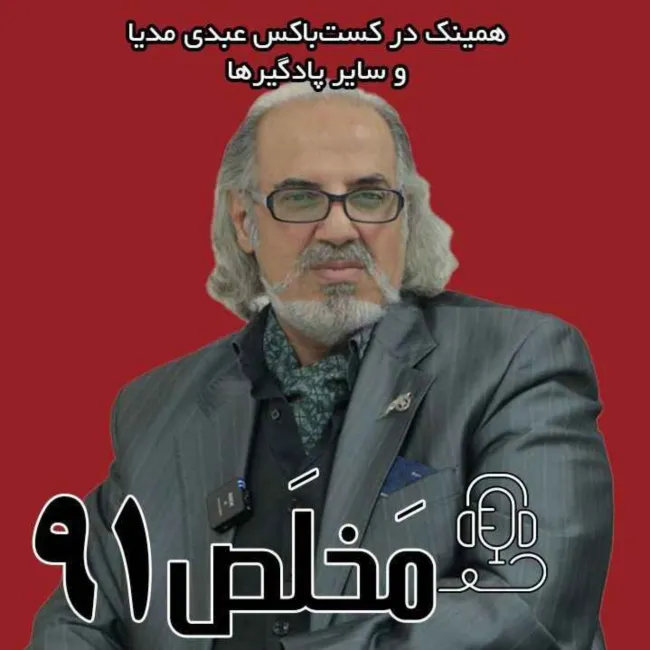
Listen to | Episode 2 War or start the big game; Iran and Israel and future scenarios
Listen to Mehdi Motaharnia in "5 Minutes" without filter, in Abdi Media Castbox
Read more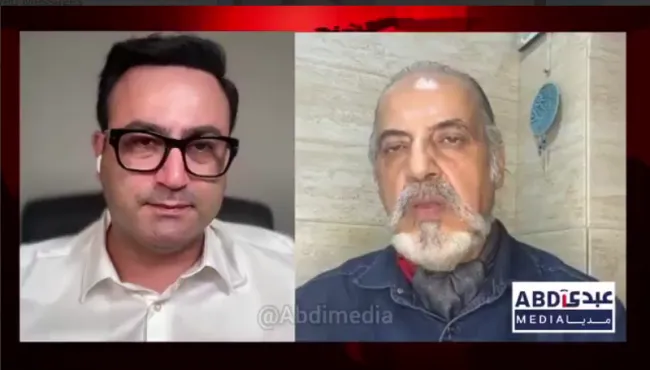
Mehdi Motaharnia: Our people will do their job at an appropriate time - which is not too late.
When the number of people who say "we are not political" increases, it means that convergence with the government is decreasing.
Read more
Mahdi Matoharnia: Building an atomic bomb does not change anything for us.
You can no longer gather people under the name of the Party of God.
Read more
Mehdi Motaharnia: A military attack on Iran will continue, but not in the classic meaning
The current ceasefire is the display of American power in establishing a new world order
Read more
Mehdi Motaharnia: The shadow war will continue until a government in Iran to accept international rules and power play.
Trump will be remembered as one of the great US presidents if he could succeed
Read more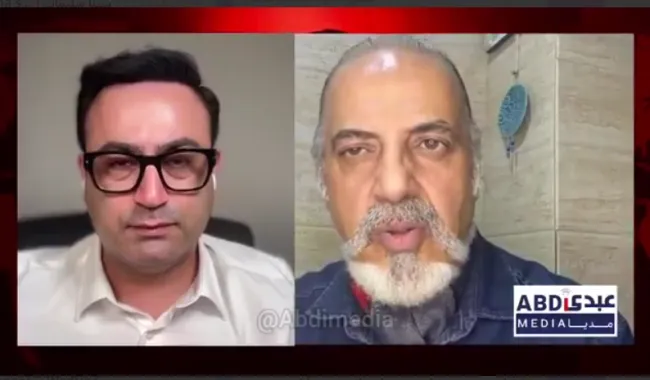
Mehdi Motaharnia: The Iranian people today want to have a responsive government appropriate to their dignity
You still know economic independence to produce watermelon!
Read more
Mahdi Motaharnia: The ritual of power dictated the beginning of this war.
In the war of narratives, a discourse has only one decade of effectiveness.
Read more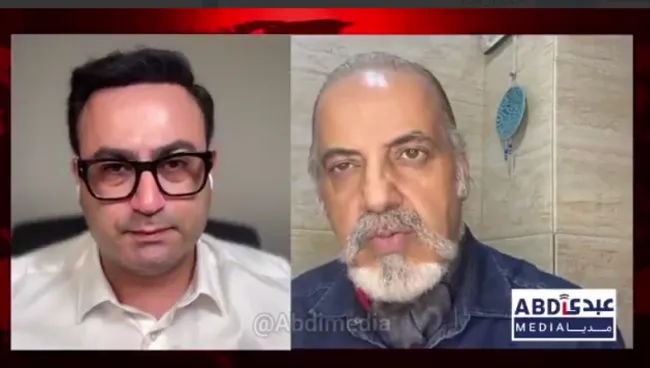
Mahdi Motaharnia: The provisional government will come from within, and the future government will come from without.
The more you said 'Death to America', the more the Americans came to the region.
Read more
Mehdi Motaharnia: Today Tel Aviv is victorious in the war of narratives
Israel has been promising to destroy the Islamic Republic for many years
Read more
Mehdi Motaharnia: They want to compel Tehran and get the future from revolutionary discourse
We are now in the transition from humiliation to final destruction
Read more
Mehdi Motaharnia: The day that passed was the product of what was formed in the field of future world order
USA on the basis of the widespread perception that has gained power in the last two centuries
Read more
See | War or start the big game; Iran and Israel and future scenarios
Dr. Mehdi Motaharnia, Head of Simorgh Future Thinking, University and Political Future School now on YouTube Abdi Media Channel
Read more
Listen to | Episode 2 Makhlas ahead of the Israeli -Iran war
Hearing the word in "5 minutes" without filter, in the presence of Dr. Mehdi Motaharnia.
Read more
Mehdi Motaharnia: Our people have an expensive life experience
This nation has caused suffering that will inevitably reach future democracy
Read more
Mehdi Motaharnia: Land War in these types of wars is a very difficult option
Miniature ground warfare is currently going on
Read more
Mehdi Motaharnia: If the two sides have high resilience and the great powers in the deterrent role, the "bloody balance" will be.
This situation will lead a colder war - but bloody for the future
Read more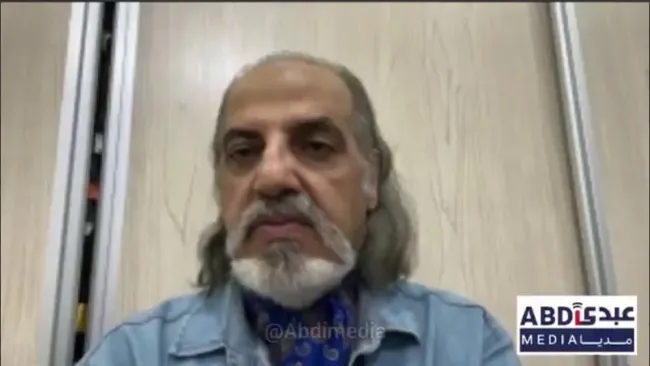
Mehdi Motaharnia: Iran and Israel, none can win the final scenario
Both sides have defined their legitimacy in continuing resistance to another
Read moreMost Read
Popular reads across Abdi Media