
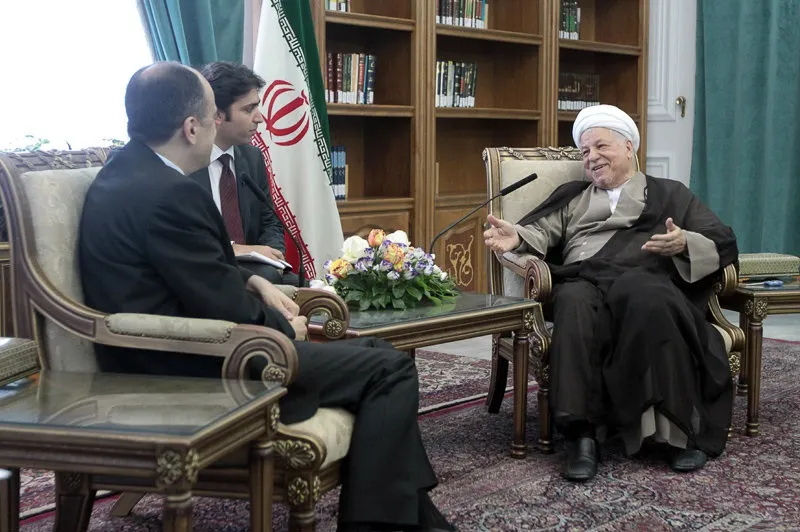
I did not sleep after the prayer. I was thinking about the plan to merge the army and the IRGC and I came up with new points that I wrote down. From eight in the morning to three in the afternoon, we had meetings with the commanders of the bases and operating units in Najaf and Quds. Three small operations in which about fifty battalions of troops
I did not sleep after the prayer. I was thinking about the plan to merge the army and the IRGC and I came up with new points that I wrote down.
From eight in the morning to three in the afternoon, we had meetings with the commanders of the bases and operating units in Najaf and Quds. Three small operations in which about fifty battalions of troops operate are under review and action. Although there has been a lot of publicity on the mobilization of forces, the units still do not have enough forces. We also had a meeting for Hamza camp and Kurdistan issues. I had another meeting with various commanders who criticized the lack of presence of the country's facilities in the war, and I said that if you give an acceptable plan, the facilities will be mobilized.
At three o'clock in the afternoon, we left for Halabja. We entered Zor city by car from Melkhkhor Pass. It has green valleys with trees and pastures and rivers full of water, which are similar to the valleys around Alborz. A number of people from Halabja also stayed. We wandered on the road for an hour. The sound and sight of the explosion and the smoke of bullets in the line could be heard and seen. We visited Anab village and Halabja for a short time.
Although the view is beautiful, it was sad for me. Because of the feeling of displacement of the people of this country and the many deaths due to the use of chemical weapons by Iraq against its own people. Terrible scenes were described here. There are many damages from the Iraqi bombing in the city. We visited an abandoned house. The doors were open. The house is half empty. Some of the al-Bait's furniture has been taken away and a part is left. For example, a buffet with crystal and porcelain utensils. The owner of the house was a cleric or a cleric. There are many religious paintings in humble rooms and one painting contains family photos which are very important and among them is the famous late Sheikh Othman [Siraj al-Dini Naqshbandi].
Many trucks were busy loading the remains of people's household furniture to transport them to their residential centers in the camps inside Iran, and on the way, these trucks were seen more than anything else.
They say that about seven thousand families have brought their furniture. The items in the car were mostly refrigerators, televisions, dishes and other household items. A large number of cows and sheep were grazing in the pastures and fields. Vast but ownerless and near-ripe fields and abundant fruit trees without a manager or supervisor make people sad. We passed by the towns of Tigris, Kharbal and Biare. In the evening, we entered our territory from the border of Nosud.
On this side, like on the other side, there are green and watery valleys, but deserted and ruined due to lack of ownership during the war. After the victory of the revolution until last month, counter-revolutions have ruled in and around Nausud, and now they are under the control of the government, but the people have not returned yet.
We crossed the dirt and winding roads from Nausud to Paveh, mostly by the side of the huge Sirvan River and the border road that takes the waters of Iran to the Darbandikhan Dam in Iraq. It is an important and developable area, but untouched and abandoned; We did not see anything except a few half-empty villages. Due to fatigue and darkness and the distance, we did not stop anywhere, except for the bathroom. You should travel to the region at the right time for a complete visit.
In the city of Ravansar, they have created an interesting view of a huge river passing through the city square. About one hundred and twenty pipes pass the lake water through the city square and then it goes under the street to the surroundings. Each pipe carries about eight inches of water. On the way, we negotiated with Mr. Shamkhani [Deputy Commander-in-Chief of the IRGC] about the plan to merge the army and the IRGC. We reached Bakhtran at a quarter to eleven at night. We had dinner at the headquarters of the Ramadan camp and I rested.

Take less than a minute, register and share your opinion under this post.
Insulting or inciting messages will be deleted.
Sign Up