
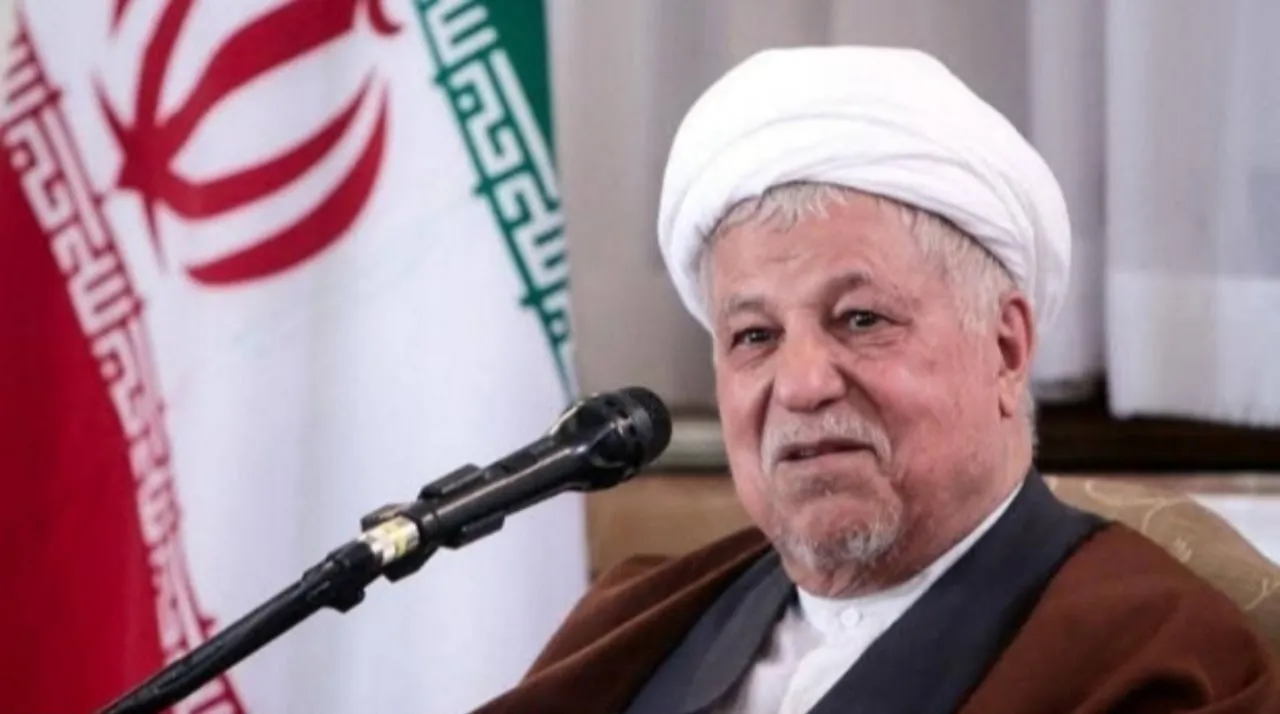
I went to the University of Tehran to deliver a speech at a memorial ceremony for 182 clerics who had been martyred in Iraq by the Ba'athist regime. Mr. Seyed Mahmoud Hashemi Shahroudi also attended as one of the bereaved family members.
I went to the University of Tehran to deliver a speech at a memorial ceremony honoring 182 clerics who had been martyred in Iraq by the Ba'athist regime. Mr. Seyed Mahmoud Hashemi Shahroudi also attended as one of the bereaved family members.
I spoke about the history of the Najaf Seminary, the role of the Shiite clergy in the history of Islam and Iran, the hostility of global powers toward Islam and the clergy, and the widespread ظلم committed by Saddam's regime.
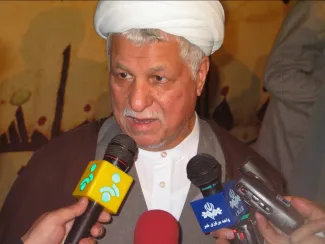
In the afternoon, I had a lengthy interview with the Iranian Students News Agency (ISNA). The interview was supposed to focus on June 15 and Imam Khomeini, but they asked about everything. Mr. Abolfazl Fateh, the agency’s director, presented a report on its activities and said that ISNA had around 170 full-time employees and even more part-time staff, most of whom were students.
George W. Bush, the President of the United States, was continuing his diplomatic tour aimed at addressing the problems arising from the Iraq War and bypassing the United Nations. Yesterday he was in Poland, which is expected to take responsibility for peacekeeping forces in Iraq supplied by other countries. He then traveled to St. Petersburg, where Russia was celebrating the city's 300th anniversary. Dozens of world leaders attended the event, and Bush held talks and a joint press conference with Vladimir Putin, the President of Russia. It became clear that issues related to Iran were among their major topics of discussion.
He then traveled to Évian, France, for the G8 summit, along with a number of leaders from other important countries. The tensions between the United States and the leaders of France and Germany were expected to be addressed there. Large demonstrations against globalization in Switzerland near Évian, along with unprecedented security measures involving 15,000 police officers, a 15-kilometer security perimeter, anti-aircraft defenses, and more, were also noteworthy. Demands from poorer countries for the fulfillment of previously unkept promises were placing significant pressure on the summit participants.
In Iraq, an American soldier was killed, and there were large demonstrations in Basra against the appointment of a British governor. The Supreme Council explained that the formation of the Badr Corps had originally been intended to fight Saddam Hussein and that more important tasks now lay ahead, including helping solve the people's problems. However, everyone understood that this move had been taken under pressure from the United States. American sources claimed that Saddam was hiding somewhere in Iraq and actively working against the occupying forces, while another report suggested that he had been flown to a third country on an American aircraft.
Mr. Seyed Mohammad Khatami, the President, sent a letter to Mr. Mehdi Karroubi, the Speaker of Parliament, requesting efforts to resolve the dispute with the Guardian Council over the so-called Twin Bills. The move was widely viewed as political maneuvering.
Take less than a minute, register and share your opinion under this post.
Insulting or inciting messages will be deleted.
Sign Up